
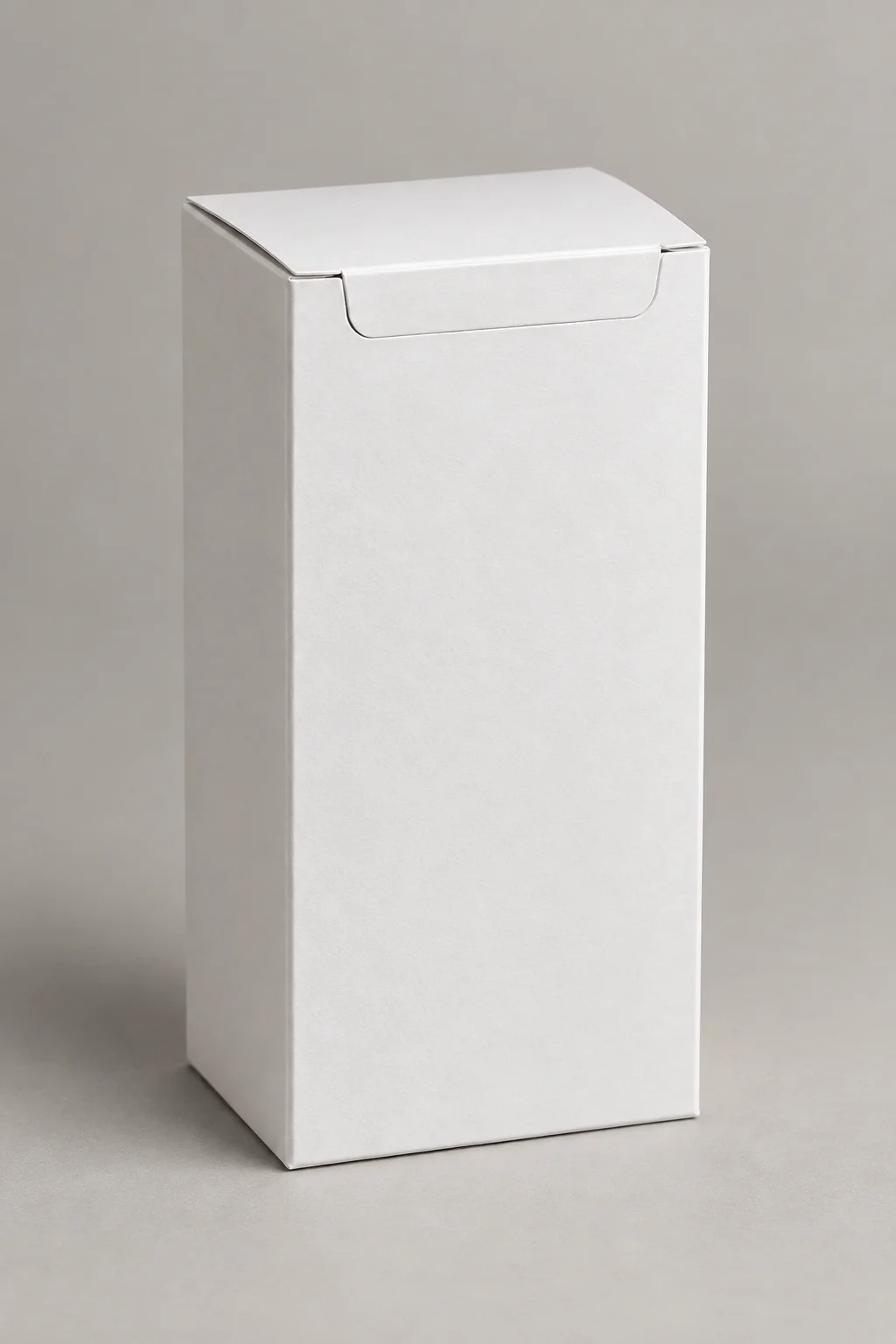
Folding-carton concept
Custom Folding Carton With Tuck-End Closure
A tuck-end carton brief begins with the packed item and intended opening direction. Confirm the item envelope, the opening end and the panels that need artwork before treating a concept image as a production instruction.
Request a tuck-end carton review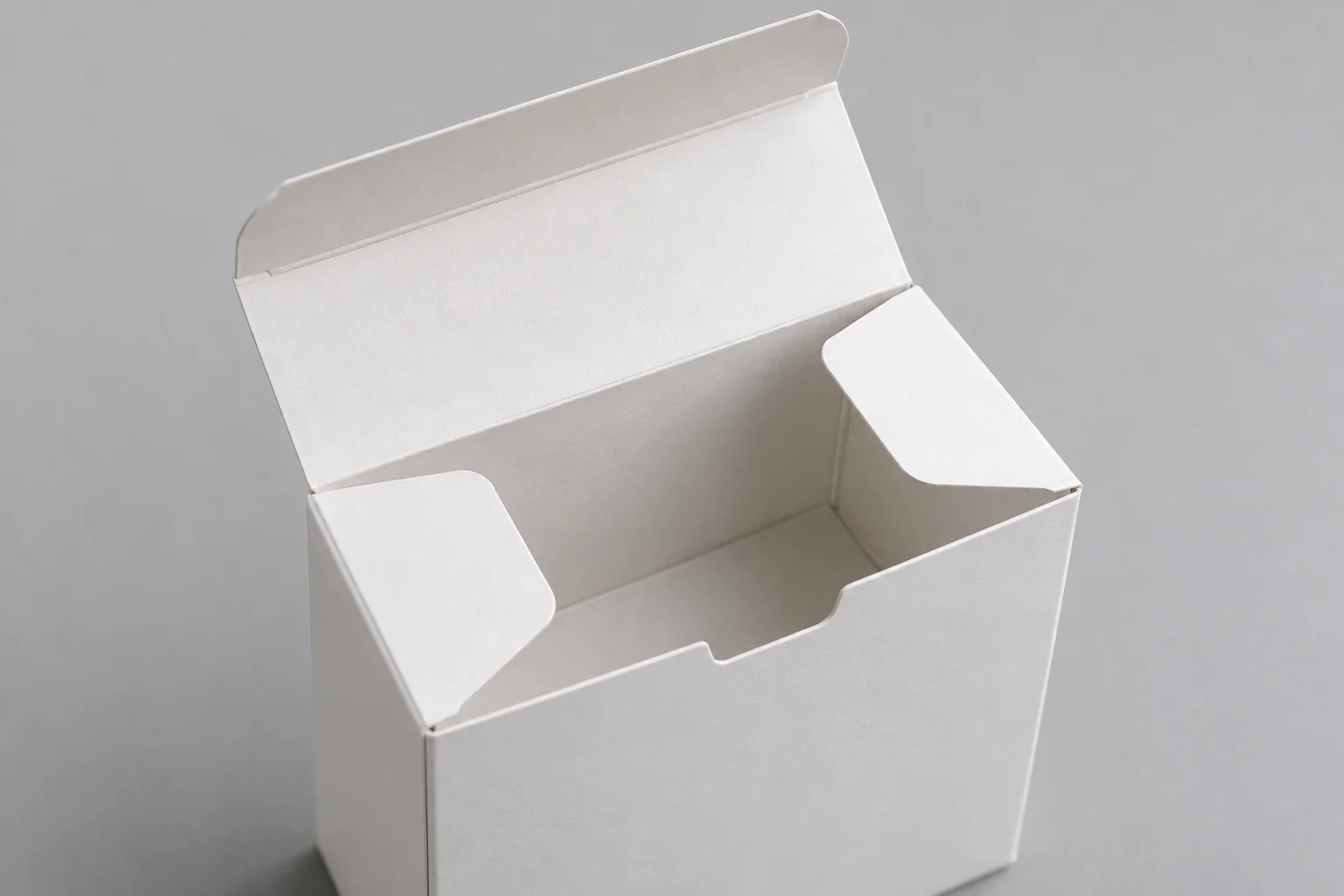
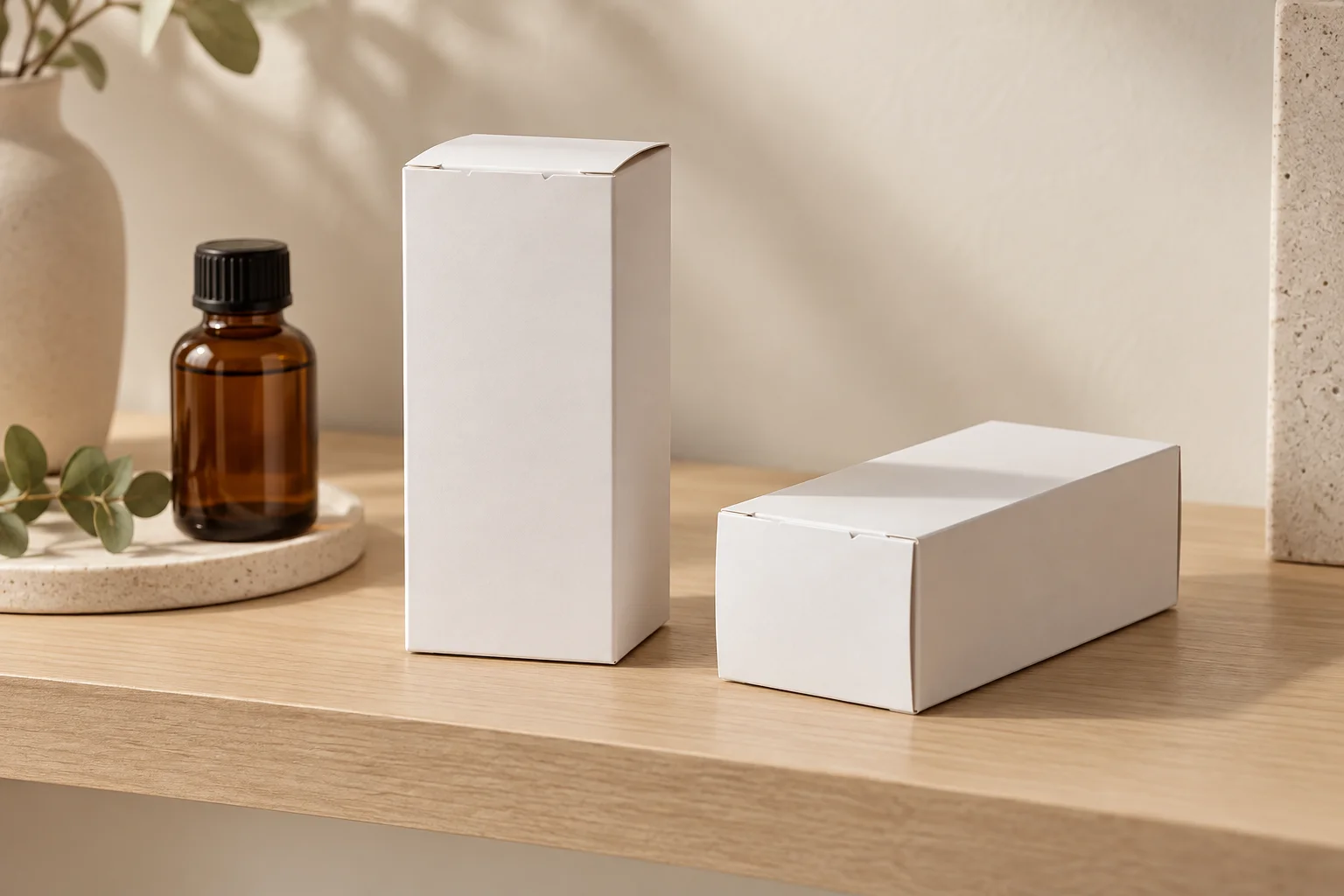
Review the opening and packed-item envelope
Share the largest packed-item length, width and height, packed weight, loading direction and intended opening end. If an insert is considered, describe its purpose and review its geometry with the real item during sampling.
Compare the wider paper packaging range before selecting a project-specific folding-carton direction.
Paperboard, artwork and finish inputs
Coated paper or white cardboard can be discussed as starting directions; final board choice, score layout, print faces and finishes require project review. Provide artwork status and identify panels that stay visible after the tuck is closed.
RFQ inputs for a comparable proposal
Specify quantity by SKU and destination market. For small retail items, describe the visible display panel and how packing staff should load the carton. Request flat or assembled supply explicitly, and state the intended outer-carton arrangement for review. Any insert, closure performance or transit-protection requirement needs a separate sample or agreed test; none is demonstrated by the concept views.
- Packed item length, width, height and loading direction
- Carton opening end, tuck-flap direction and any insert requirement
- Paperboard, print coverage, surface finish and artwork-file status
- Quantity by SKU, destination market and the sample question to resolve
Read the paired tuck-end RFQ guide, then send the same project inputs for a sampling discussion.