
Packaging RFQ guide
Folding Carton Tuck-End RFQ Guide
A comparable tuck-end carton RFQ separates the packed-item envelope from the proposed closure. It helps suppliers review the same opening, artwork and sample questions instead of assuming every folding carton uses the same geometry.
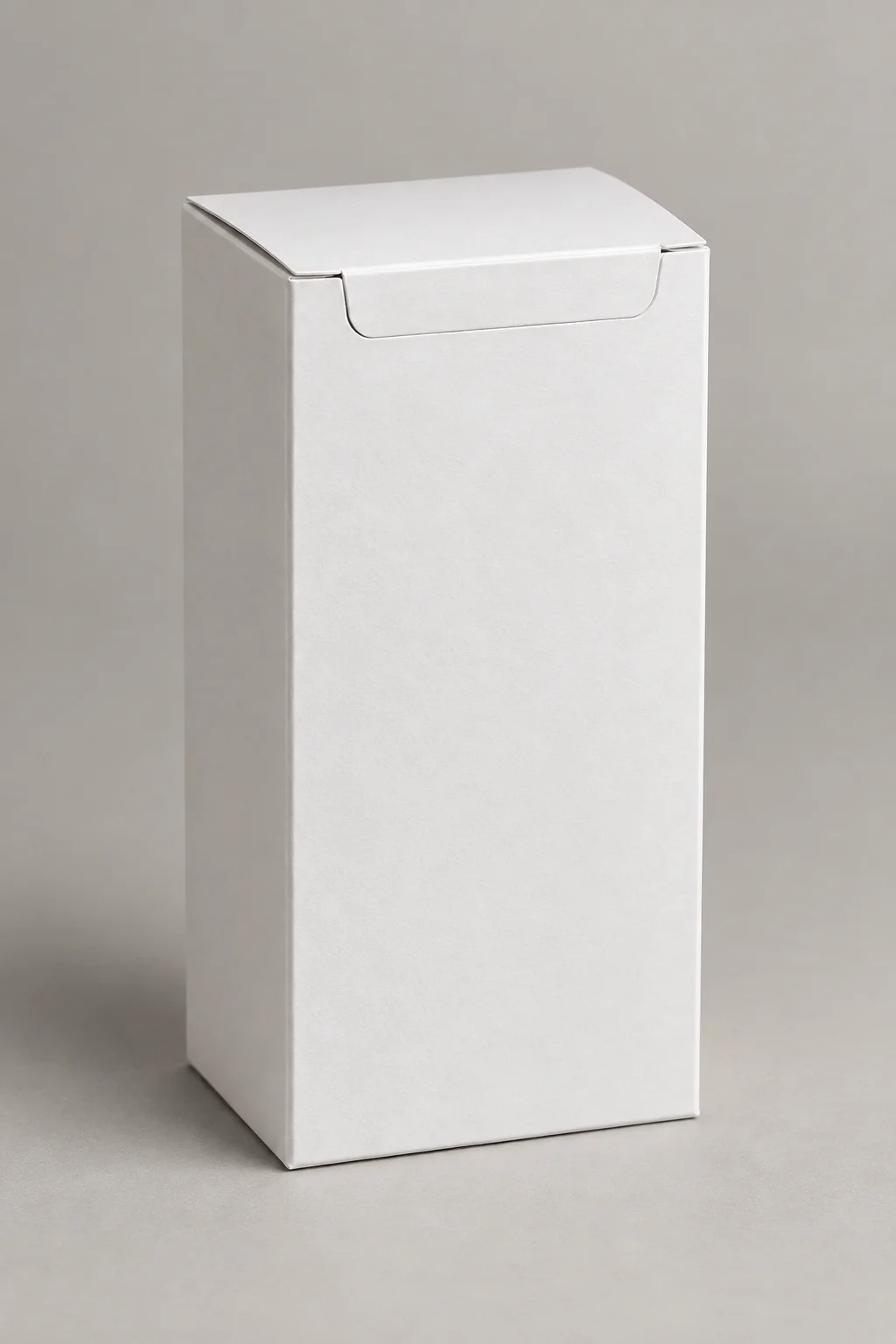
Start with the item and opening end
State the largest item length, width and height, loading direction and the end intended to open. Identify whether the tuck flap should close over a front or back panel and which panels must remain visible after closing.
Keep construction questions reviewable
Ask for a proposed score and tuck direction, then confirm paperboard and crease behavior on a physical sample. A concept illustration can support the discussion but does not validate a production dieline, closure performance or product fit.
Separate the artwork decision from the closure
Provide front, back and opening-panel artwork separately, with the preferred reading direction marked on a folded mock-up. Ask the supplier to identify any print or finish area affected by the tuck and crease before approving artwork. If a design depends on uninterrupted artwork across a fold, include that question in the sample review.
Define the sample question and packing route
Give the packed weight as well as dimensions. State whether the carton is supplied flat for your team to erect or whether assembled supply is requested. Review loading, closing and removal with the actual item; record whether an insert is needed and what it must prevent. A satisfactory visual fit does not establish transit protection, closure strength or any test result.
Send one comparable RFQ
Keep quantity by SKU, destination market, material direction, print coverage and finish identical when comparing proposals. Request a separate explanation of assumptions that remain open. MUGE's paper packaging reference describes the broader formats; this guide focuses on opening direction and the questions to resolve before a tuck-end carton sample is approved.
These concept views are not a customer project or a production sample. Final dimensions, materials and fit require sampling.
- Packed item length, width, height and loading direction
- Carton opening end, tuck-flap direction and any insert requirement
- Paperboard, print coverage, surface finish and artwork-file status
- Quantity by SKU, destination market and the sample question to resolve
Use the custom tuck-end folding-carton page to review the format, compare paper packaging, and send project inputs for a sample discussion.
Prepared by MUGE PACKAGING. Andy — Chief Designer & Project Manager is the project contact for structure and sampling discussion; no individual article review is claimed.