

Board · Material
White Card
Coated folding board for a light print ground
White card is a common folding-carton board when the artwork needs a light ground. Coated one side (C1S) or both sides (C2S), in a range often reviewed from 250–400 gsm, can be quoted. About 350 gsm is a frequent starting point, not a measured result for every carton. The grade, coating and colour on an order are the ones named on the quote and checked on the print proof. This page does not publish a colour-difference number. Folding depends on grain direction, crease depth, ink and coating, and the creased sample is how that is confirmed. This page does not promise a crack-free fold. Recyclability depends on the finished construction and on local collection rules.
Colour
Confirm on the proof
Board weight
Often 250–400 gsm
Colour difference
No number is published
MOQ
By project
Section 01 · Productions
Real White Card in the wild.
Use the examples below as structure and material references before reviewing the product page and sending a project brief.
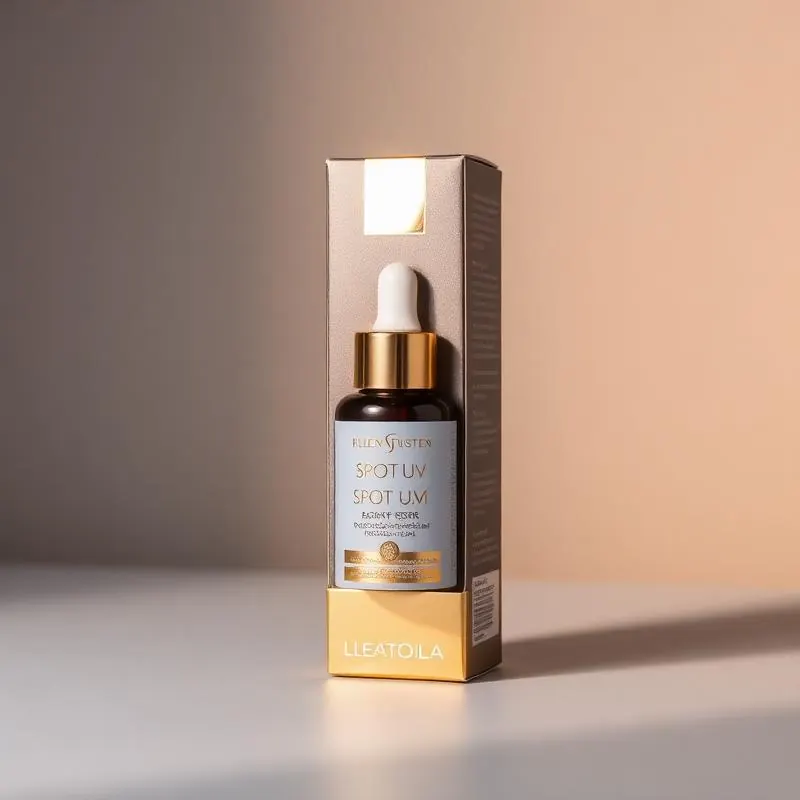
Carton beside a bottle
A folding carton stands behind a dropper bottle. Gold-looking bands are visible. GSM, varnish and any colour difference are not recorded in the photo.
View product →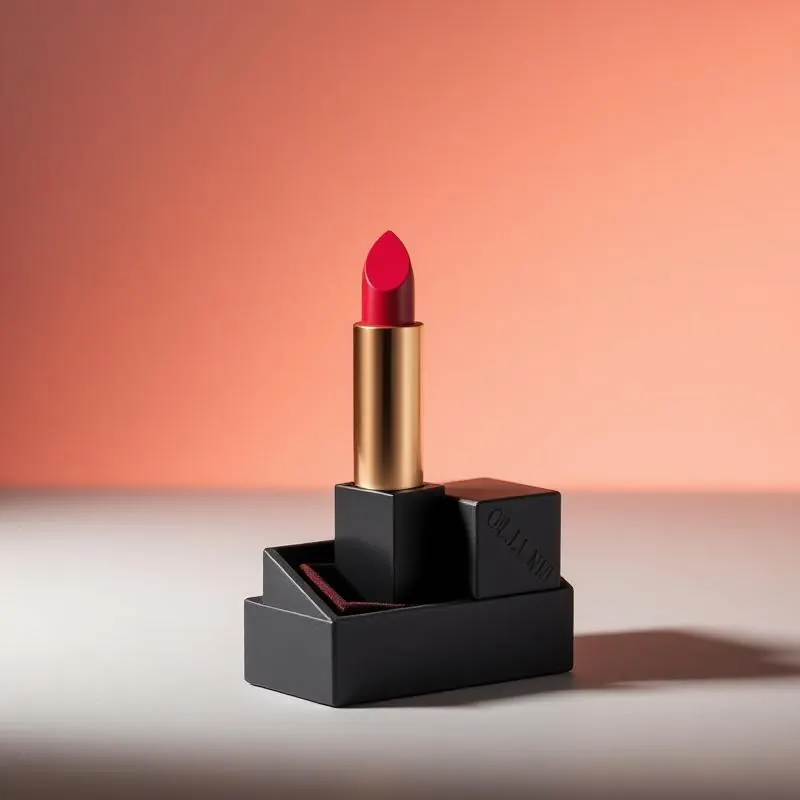
Lipstick on a black tray
A black tray holds a lipstick, with a small black lid beside it. Surface film and colour difference are not recorded.
View product →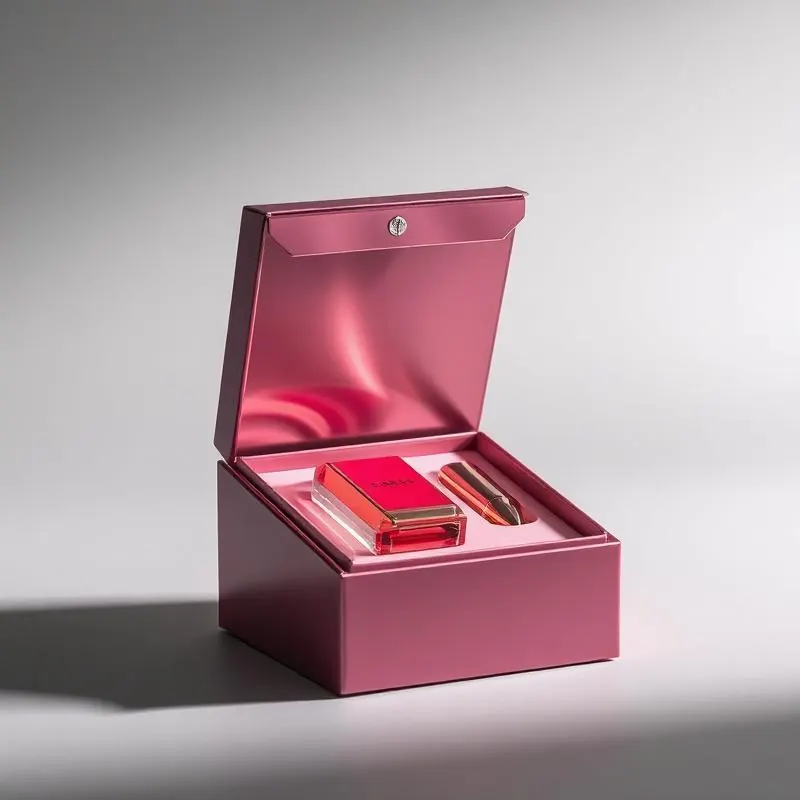
Open pink box
An open pink box with a reflective lid interior and two small cosmetic items. Foil and board grade are not recorded.

Open dark box
An open dark box with a dark bottle inside. Emboss depth and laminate are not visible.

Open confectionery carton
An open brown carton of chocolates, with a window in the lid.

Tall carton with a window
A tall black carton with a window and a bottle inside. A separate sleeve stands beside it.

Open brown carton
An open brown carton. Flute edges are visible on the lid, so this photo is not a coated white-card close-up.

White retail carton
A white carton with a logo, a yellow mark and small side text. Legibility of that text is not a measured colour result.
Editorial
"If the artwork needs a light ground, confirm the colour on the proof."
Section 02 · Craft
The finishing techniques that make it sing.
Macro-level decoration choices that turn a raw White Card sheet into a brand-defining surface.
Technique 01
Carton beside a bottle
The photo shows a carton and a bottle with gold-looking bands. It does not record a varnish thickness or a colour difference.
Technique 02
Open box
The photo shows an open dark box and a dark bottle. It does not show an embossed crest or a measured board.
Technique 03
Open confectionery carton
The photo shows an open brown carton of chocolates with a window in the lid. It does not show a colour bar or a print-pass record.
Section 03 · Specs
Specifications
- Weight
- Often 250–400 gsm. 350 gsm is a common starting point, confirmed on the quote.
- Colour
- Confirm on the print proof. No colour-difference number is published.
- Coating
- C1S or C2S when specified
- Bulk
- Confirm the selected grade
- Print method
- Offset CMYK and spot colours, confirmed on the proof
- Certifications
- material documents available by request
Section 04 · Trade-offs
Strengths & Trade-offs
Strengths
- A light coated board is a usual candidate for photographic artwork
- Small text is checked on the proof, not assumed from the board name
- Crease quality is confirmed on the sample
- Foil, spot UV and emboss can be reviewed where the board allows them
Trade-offs
- Often a higher board cost than kraft or a recycled grade. Confirm on the quote.
- Less rigid than greyboard for larger structures
- A bleached board is a different fibre choice from kraft. This page does not publish a footprint comparison.
Section 05 · Brand wall
Who builds with White Card.
Three industries where this material is doing some of its best work right now.
Case 01 · Premium skincare
Carton and bottle
A folding carton is one place to review photographic artwork. Colour is confirmed on the proof. This page does not publish a colour-difference number.
Case 02 · Confectionery
Open carton
A light or brown board can be reviewed for a confectionery carton. The shade is confirmed on the proof, not assumed from the photo.
Case 03 · Health & supplements
Printed retail carton
Small text is checked on the proof. Coated board is a common candidate. It is not a guarantee that every size will stay legible.
Section 06 · Compare
White Card vs. the alternatives.
A quick side-by-side to help you decide where White Card earns its place — and where another stock might serve you better.
| Attribute | White Card | Kraft Paper | Black Specialty |
|---|---|---|---|
| Print check | Confirm on the proof | Often a more muted ground | Usually foil or screen, not CMYK photos |
| Surface | Usually coated on the print side | Often uncoated fibre | Often uncoated matte |
| Typical cue | Light ground for artwork | Natural fibre look | Dark ground |
| Price | Confirm on the quote | Confirm on the quote | Confirm on the quote |
Section 07 · Applications
Best Used For
How brands across cosmetics, food, fashion, and electronics put White Card to work.
01
Cosmetic folding cartons
A cosmetic carton can be reviewed for colour print, foil or spot UV. The proof confirms which.
See product →03
Retail product cartons
Window-cut folding boxes can be reviewed for retail. The window and the board are on the quote.
See product →04
Sleeves and bands
A C2S sleeve over an inner tray can be reviewed. Board weight is on the quote.
See product →Print Compatibility
Printing Methods
- Offset CMYK, confirmed on the proof
- Pantone spot colours, when specified
- UV printing, when the quote includes it
- Metallic inks, when specified
Finishing Options
Decoration & Construction
- Hot foil stamping, when specified
- Spot UV, when specified
- Soft-touch lamination, when specified
- Embossing or debossing, when specified
- Die-cut windows, when specified
Section 08 · FAQ
Frequently asked
What's the difference between C1S and C2S?+
C1S has a coated print side and an uncoated reverse. Review it when the inside stays plain. C2S coats both sides. Review it when the inside is printed. The quote names which coating is on the order.
Will 350 gsm white card crack on fold lines?+
It can. Cracking depends on grain direction, crease depth, ink coverage and coating. Ask for the creased sample and agree what counts as an acceptable fold. This page does not promise a crack-free result.
What MOQ do you offer for white card packaging?+
Standard MOQ starts at 500 units per design for most white card packaging projects. Final review depends on box size, structure, printing, finishing and packing requirements.
Continue exploring
Related materials

Kraft Paperboard
Natural brown kraft paper and paperboard for retail boxes, tubes, mailers and sleeves.

Rigid Greyboard
Board for a set-up box. It is heavier in the hand than a folding carton and it does not ship flat. Thickness and recycled content are confirmed on the quote. No weight percentage is published.

Black Specialty Paper
Through-dyed black paper and board with deep matte tone — the canvas for foil-stamped luxury.
Ready to build with White Card?
Get an instant estimate or request a tactile sample.
All calculator prices are for reference only. Contact our team for a verified quote tailored to your project — we are very happy to help.