
Rigid Drawer Box Sleeve and Tray Reference
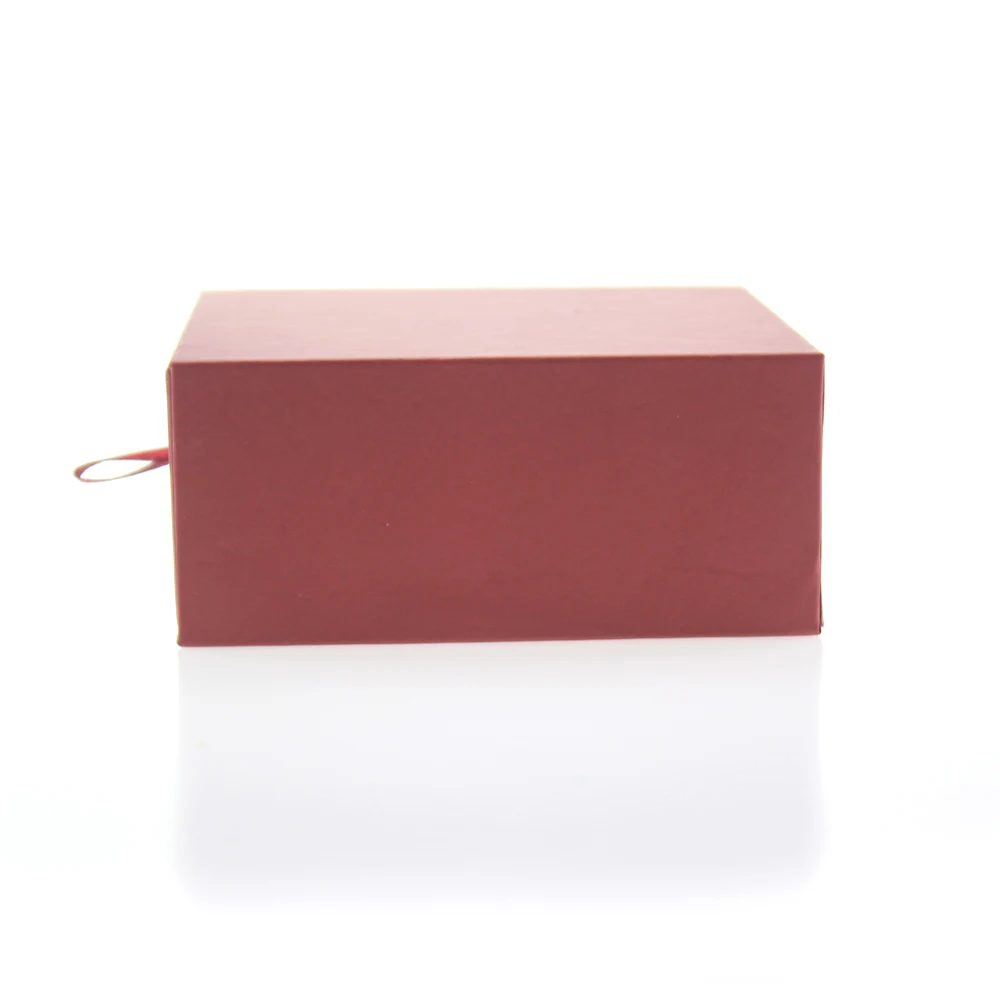
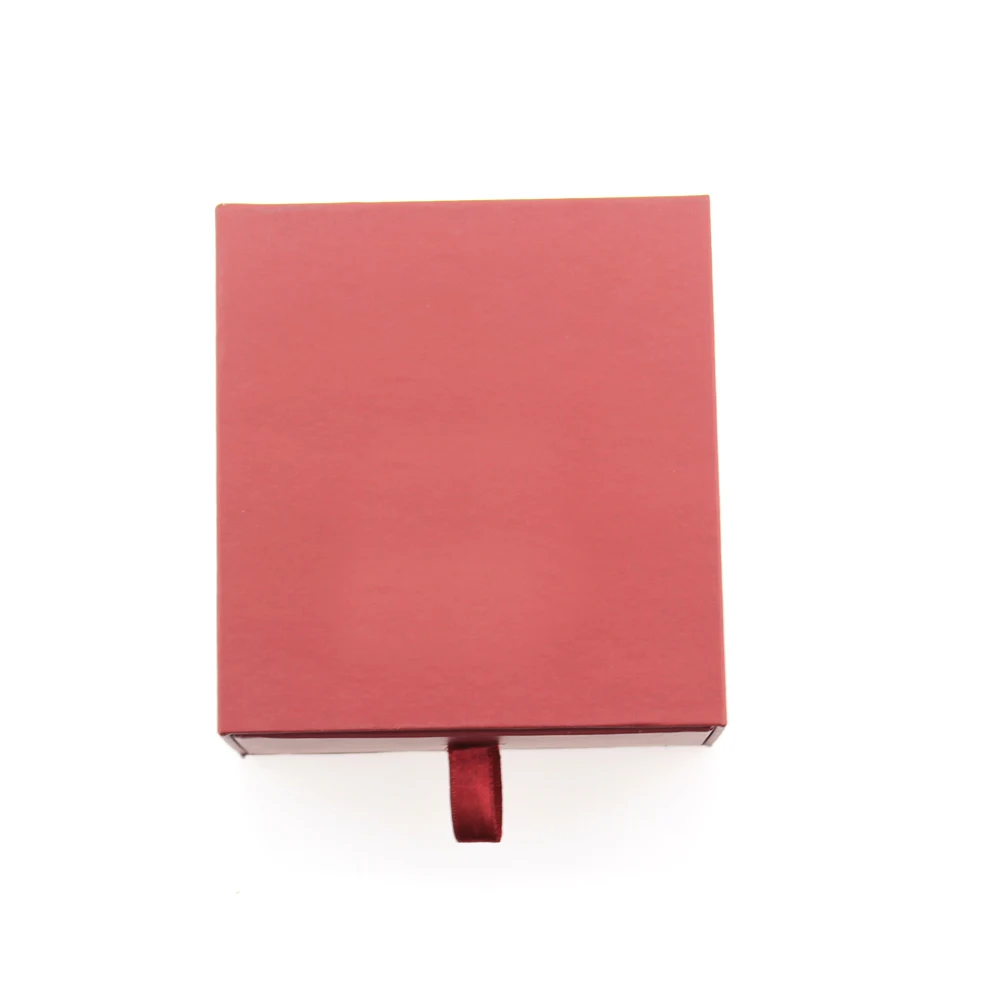
Six photographs of one unbranded physical drawer-box sample document the sleeve, tray, ribbon pull, partly-open position and separated components.
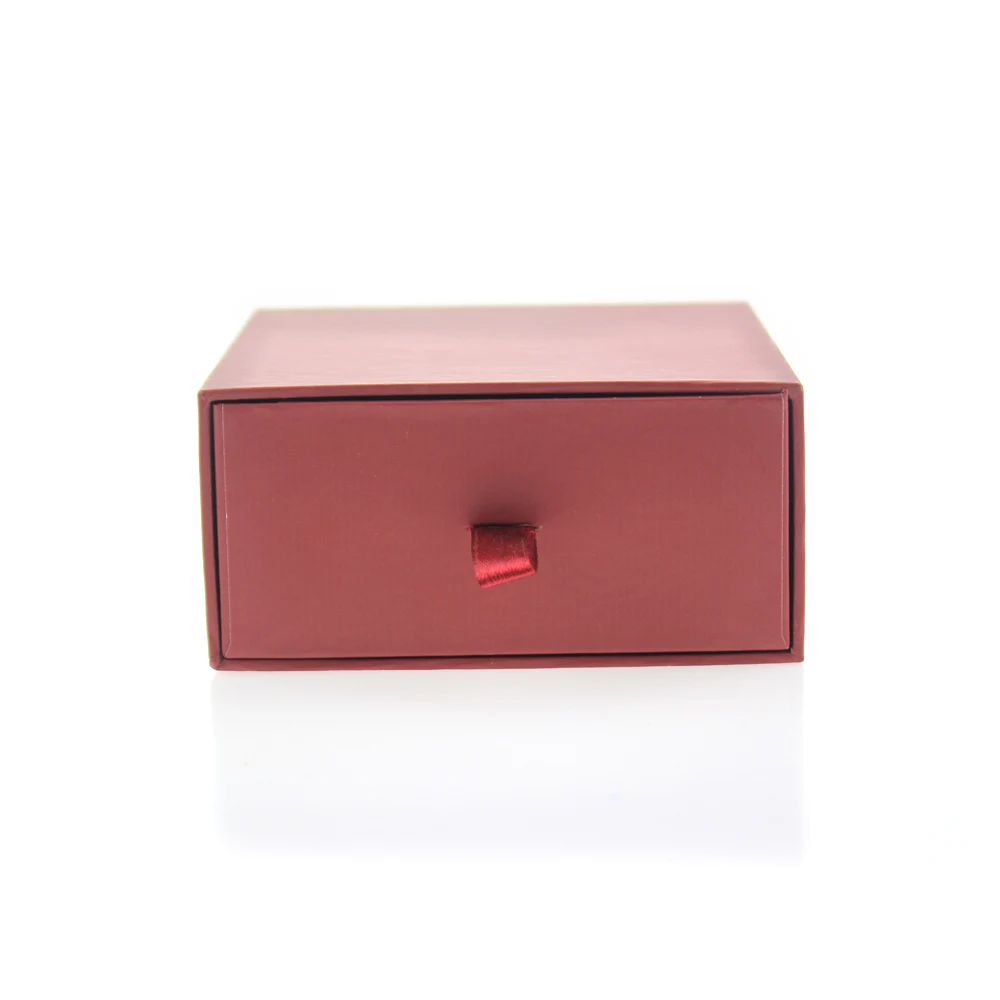
Direct buyer answer
How should sleeve clearance, tray movement and ribbon pull be reviewed for a rigid drawer box?
Physical photo record
Structure, opening and finish from multiple views
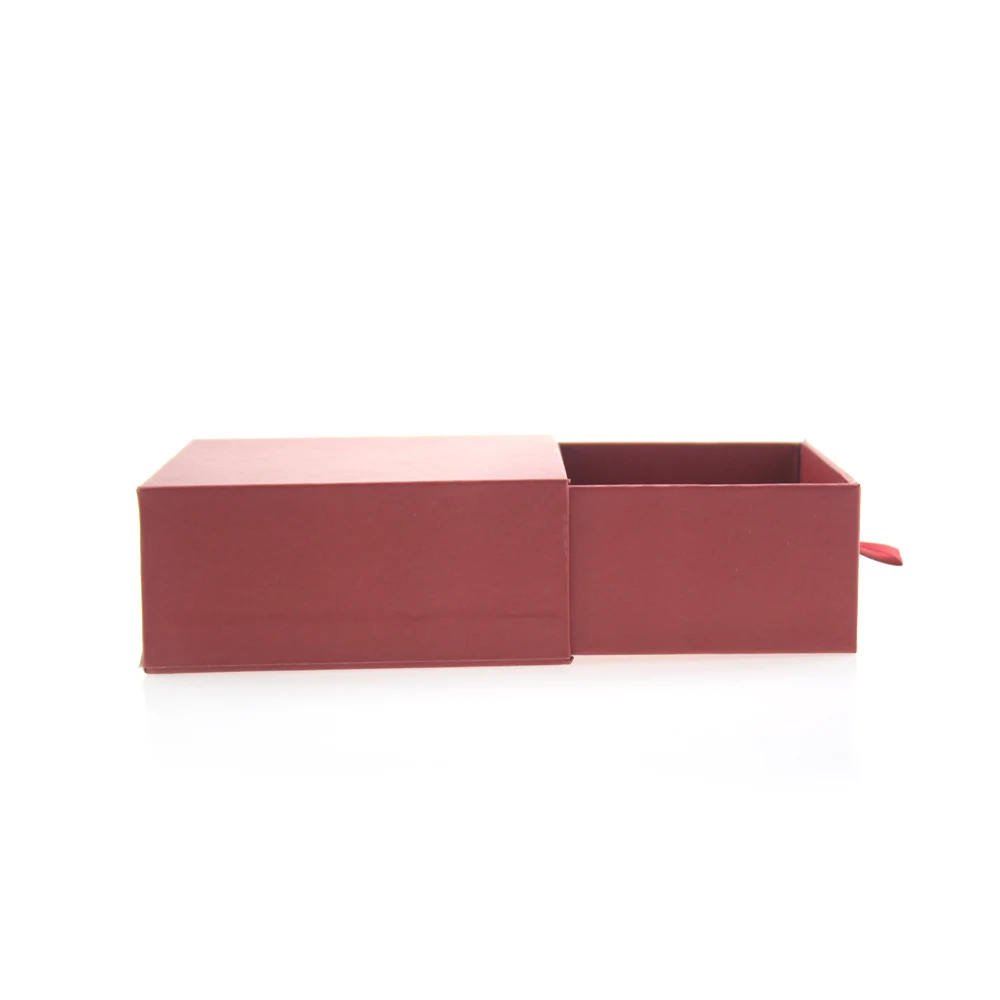
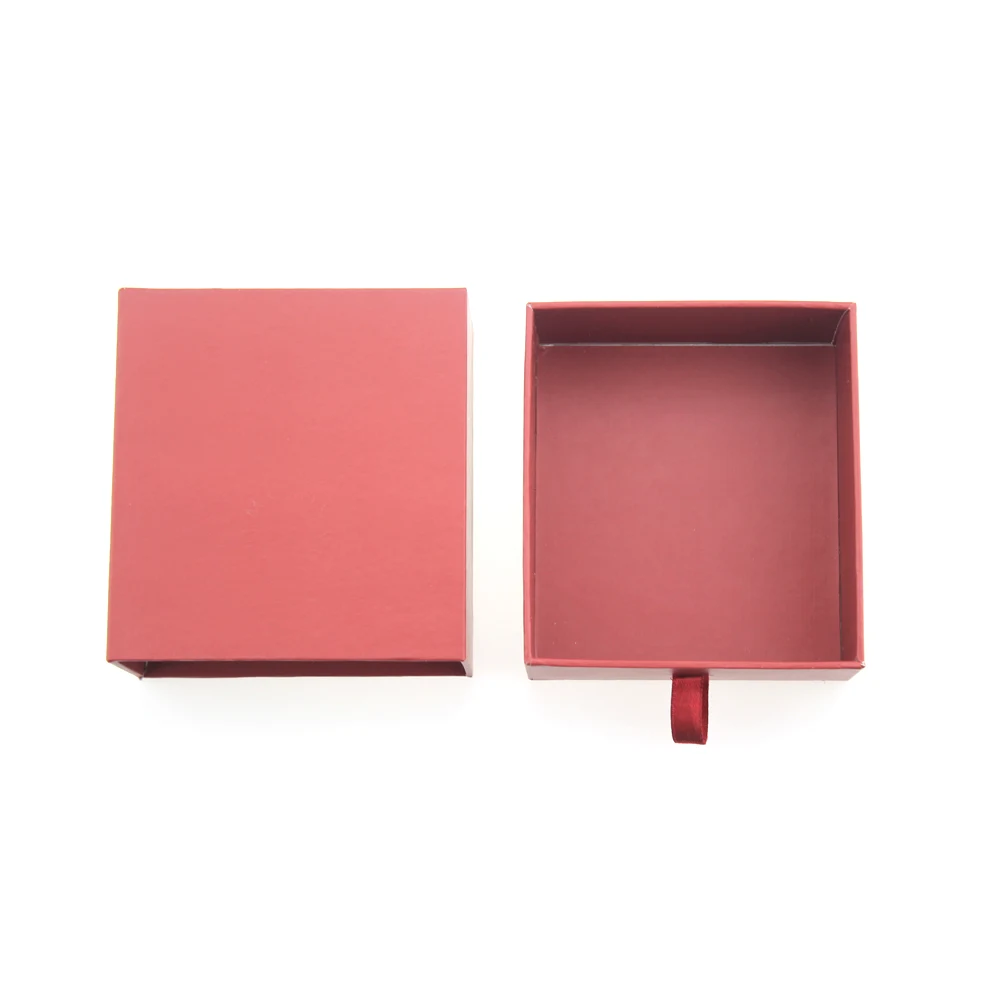
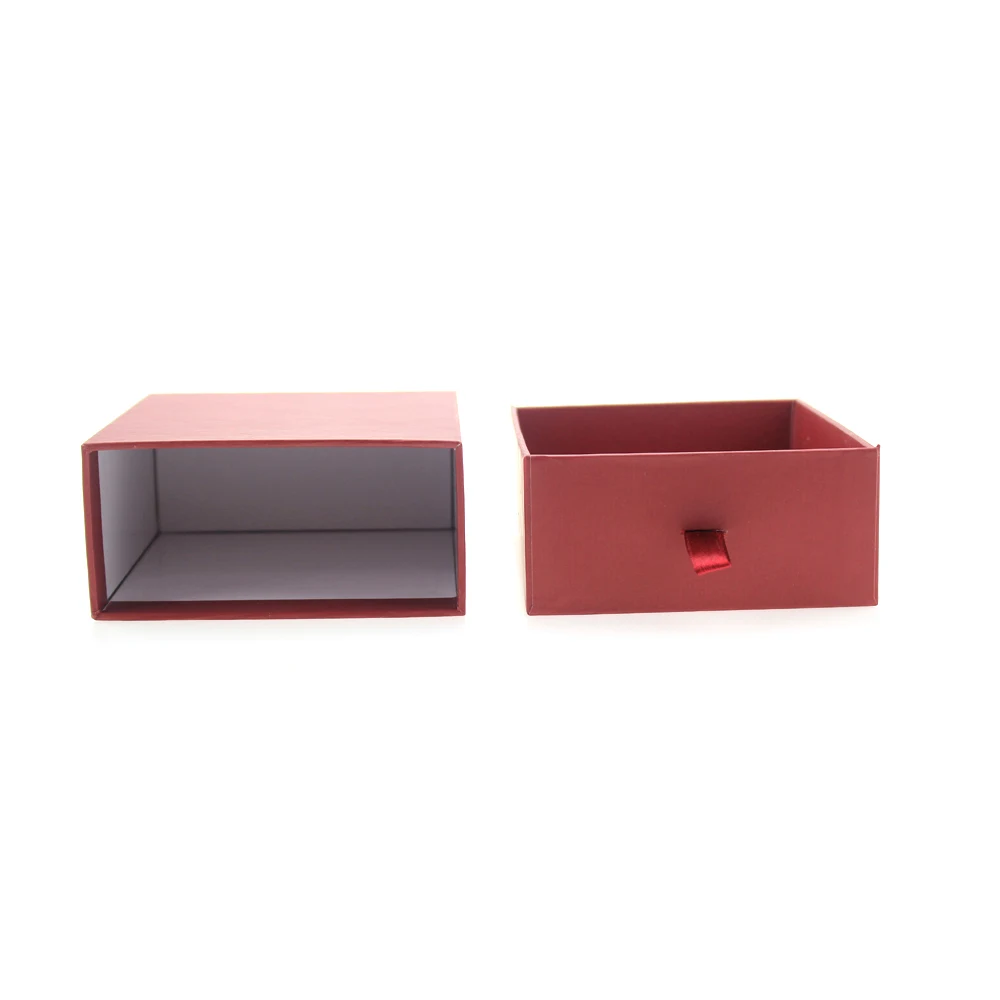
Decision table
What the images show—and what the buyer still decides
| Review factor | Observed in this record | Project-specific buyer decision |
|---|---|---|
| Sliding fit | A rigid outer sleeve and separate tray are visible in several positions | Approve clearance, movement resistance and acceptable rattle on a finished sample |
| Product access | The sample includes a ribbon-pull direction | Confirm ribbon position, anchoring and how the packed product is removed |
| Finish | Top, side, corner and separated-component views are available | Set acceptance points for alignment, wrap edges, abrasion and corner lift |
| Repeated use | Images do not establish cycle durability | Record the chosen opening-cycle and handling checks for the intended use |
Sample-review workflow
From buyer brief to an approval record
Map product and insert
Provide product dimensions, weight, orientation, insert cavity and the intended removal sequence.
Review sleeve and tray
Evaluate sliding resistance, tray alignment, closed position, rattle and finger or ribbon access.
Check repeated opening
Observe binding, edge wear, ribbon anchoring and surface abrasion through an agreed sample-review cycle.
Record approval points
Keep the approved reference and document measurement, visual and functional checks relevant to the project.
Observed facts
- Six photographs show one unbranded physical sleeve-and-tray sample from multiple views.
- The sample visibly includes a rigid outer sleeve, sliding tray and ribbon-pull direction.
- The separated view supports discussion of tray clearance and opening sequence.
Buyer and sample checks
- Measure the packed product and insert before defining tray cavity and sleeve clearance.
- Check whether the tray binds, rattles or opens too freely after repeated sample cycles.
- Inspect ribbon anchoring, wrap edges, exposed board, corner lift and tray alignment.
Evidence limits
- The public record does not claim a named customer or disclose customer artwork.
- No fixed board, insert, dimension, cycle-test or transport-test result is claimed.
- The physical reference guides sampling; it is not a substitute for approval of the buyer's final product fit.
Customer confidentiality
The sample is shown without a customer identity. This protects commercial confidentiality while preserving useful structure, inspection and RFQ guidance.
Written permission must identify the customer name, logo, selected media, approved wording, publication channels and permission period. Without it, the case remains anonymous.
How ISO 9001 applies
Shenzhen Muge Design Packaging Product Co., Ltd. is certified to GB/T19001-2016 idt ISO 9001:2015 for the documented production scope of paper boxes, plastic pouches and plastic boxes, valid through November 28, 2027.
The certification supports a quality-management framework. It does not replace the measurement sheet, material record, test conditions, result or corrective-action record for this specific sample.
Quote-ready inputs
What to send for a useful review
- Product dimensions and weight
- Product orientation and removal method
- Insert type and cavity layout
- Target sliding resistance
- Ribbon or finger-access preference
- Artwork, finish, quantity and destination