Navigating the EU Plastic Ban: Muge's Paper-Based Solutions for Global Luxury Brands
As the European Union intensifies its crackdown on single-use plastics through the Single-Use Plastics Directive (SUPD) and the upcoming Packaging and Packaging Waste Regulation (PPWR), global luxury brands are facing a critical turning point. The days of plastic-heavy packaging are numbered. For brands that define themselves by excellence and prestige, the transition to sustainable alternatives is not just a regulatory requirement—it is a brand-defining opportunity.
The Regulatory Landscape: Why 2026 is the Year of Change
The EU's legislative framework aims to reduce plastic waste significantly by 2030. This includes strict bans on certain plastic components and mandatory recycling targets. Luxury brands, which often rely on plastic inserts, laminations, and protective films to maintain a premium feel, are now scrambling for alternatives. Muge Packaging has been at the forefront of this transition, developing high-end paper-based solutions that meet EU standards without sacrificing the tactile luxury customers expect.
Paper-Based Options to Specify and Verify
Paper-based structures are options a buyer can specify. They are not, by themselves, free of plastic or accepted in every recycling program. Plastic content and recyclability depend on the finished construction (board, coatings, adhesives and inserts) and on local collection rules. Verify the specification and any certificates for the exact SKU.
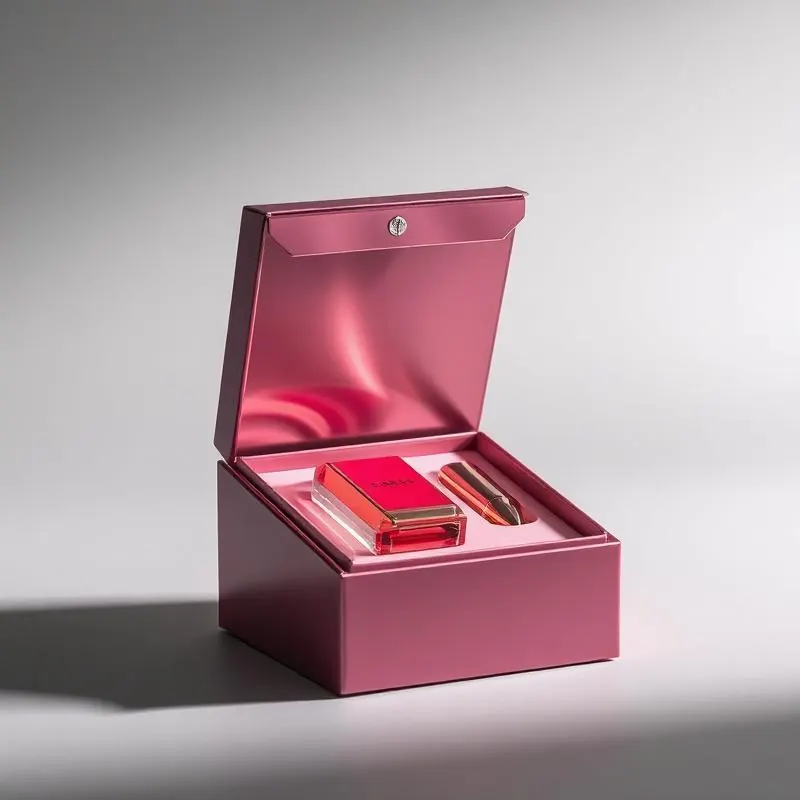
- Molded Pulp & Paper Inserts: Replacing plastic vacuum-formed trays with custom-engineered molded pulp and precision-cut paper structures. These inserts can protect a product. Whether they are recyclable depends on the pulp or paper grade, any coating or adhesive, and the local collection system. Verify the specification for that SKU.
- Water-Based Coatings: A water-based coating can be specified instead of plastic lamination, in a soft-touch, matte or gloss finish. A coating can change whether a mill or a local program accepts the pack, so confirm the finished construction and the collection rules before you claim it is recyclable.
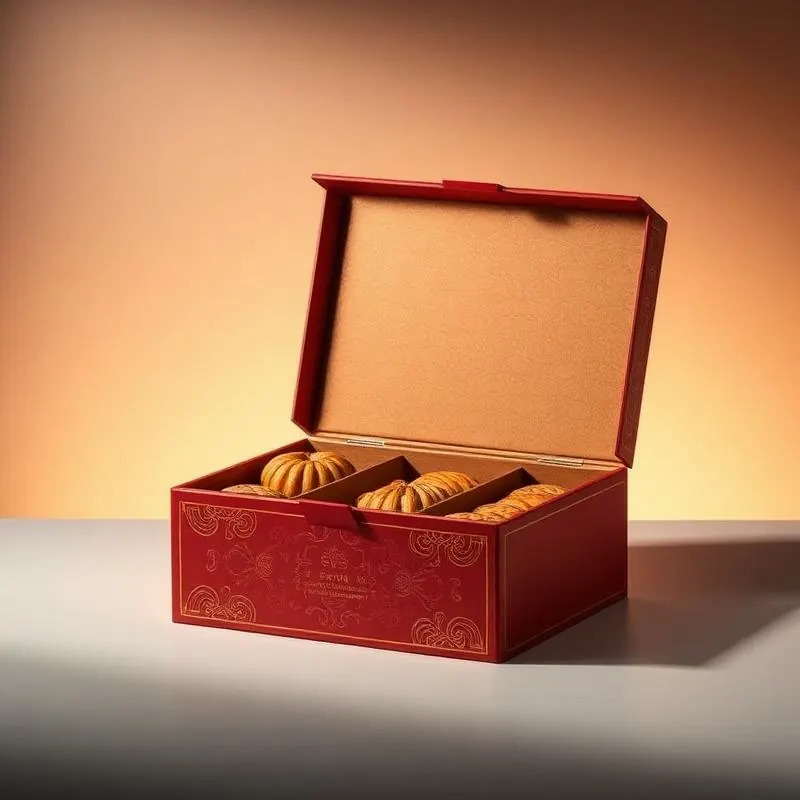
- High-Density Rigid Board: Rigid boxes can use high-density greyboard when a heavier hand-feel is the goal. Recycled-fiber content is not automatic, and recyclability still depends on the wrap, adhesives, coatings and inserts. Verify the specification for the exact SKU.
The Economic Case for Sustainable Transition
Beyond compliance, the move to paper-based solutions offers significant economic benefits. Sustainable brands often command higher price points and enjoy greater loyalty from eco-conscious Gen Z and Millennial consumers. Furthermore, by optimizing for recyclability, brands can reduce potential "plastic taxes" and environmental levies imposed by various European jurisdictions.
Muge Packaging: Your Partner in Sustainability
With experience in the luxury sector since 2014, Muge Packaging provides a seamless transition path. From 1:1 structural 3D design to FSC-certified paper available via a certified supplier, we ensure your brand remains compliant with EU regulations while elevating your market presence.
As we move into 2026, many brands are asking how far a plastic-free direction fits their product. That is a market question, not a property of every MUGE pack. Share the structure you want, then verify board, coatings, adhesives, inserts and any certificates for the SKU against local collection rules.
Keywords: EU Plastic Ban, Sustainable Packaging, Luxury Paper Boxes, Muge Packaging, Eco-friendly, Paper-based solutions.
Recommended next paths
Review the related product route before requesting a quote
Quote path
Match this article to a real packaging brief
Review the related product category first, then send size, quantity, artwork status, finish direction and target market notes for a project-specific quote review.