Editable buyer tool
Download the custom packaging quote brief
Complete one row for each specification, then use the same file when comparing suppliers. The template covers product dimensions, packaging style, material, artwork, finish, inserts, packing, destination market and sample requirements without assuming a fixed price or production outcome.
Download editable CSVMake the status of every RFQ input visible
The CSV has nine columns: section, field, buyer input, field status, revision or source, supplier response, approval owner, evidence reference and why the input is needed. Leave unknown values blank and mark them Open; do not fill them with assumed specifications.
Confirmed
A current record supports this buyer input. Identify the record and revision; do not assume that it also approves production.
Preference
A desired appearance, material or structure direction. It is not yet a confirmed specification.
Proposal
A supplier suggests an alternative. Record the changed input and decision needed before acceptance.
Open
The answer is not known. Name the question, responsible role and evidence needed instead of guessing.
Use a physical reference to explain the structure, not to invent the specification
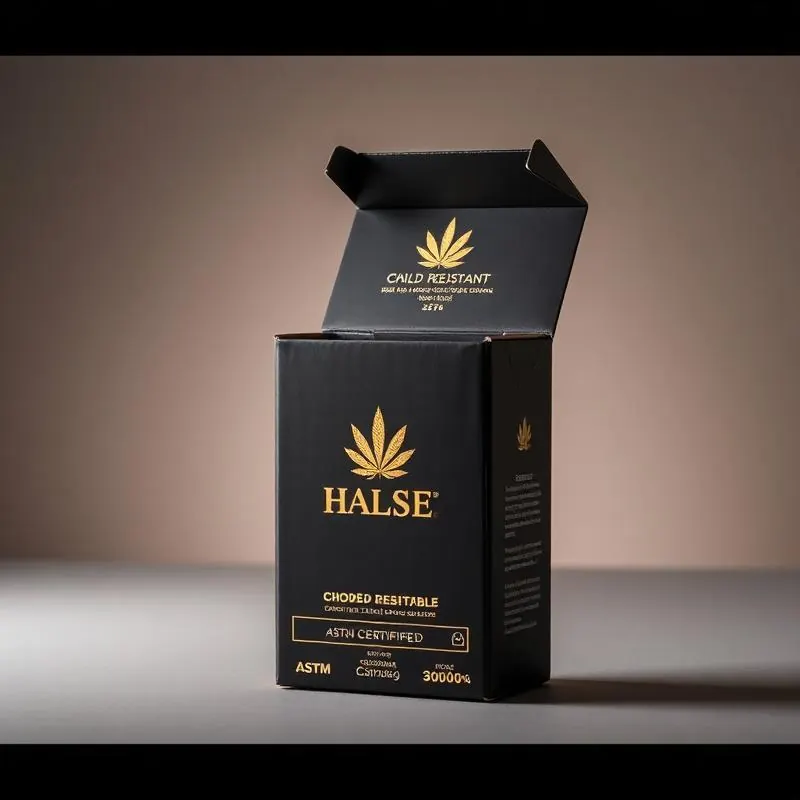
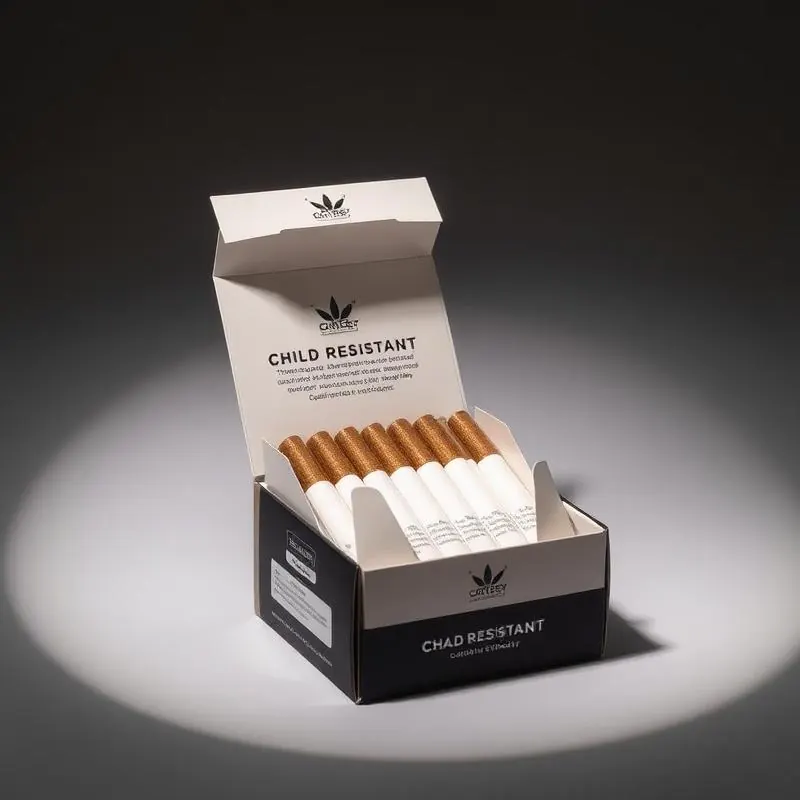
These three MUGE first-party references show different structures. They are not one project or proof of dimensions, material grade, inspection or transport performance. Artwork visible on a sample is not a customer endorsement or permission for external reuse.
Lid and base
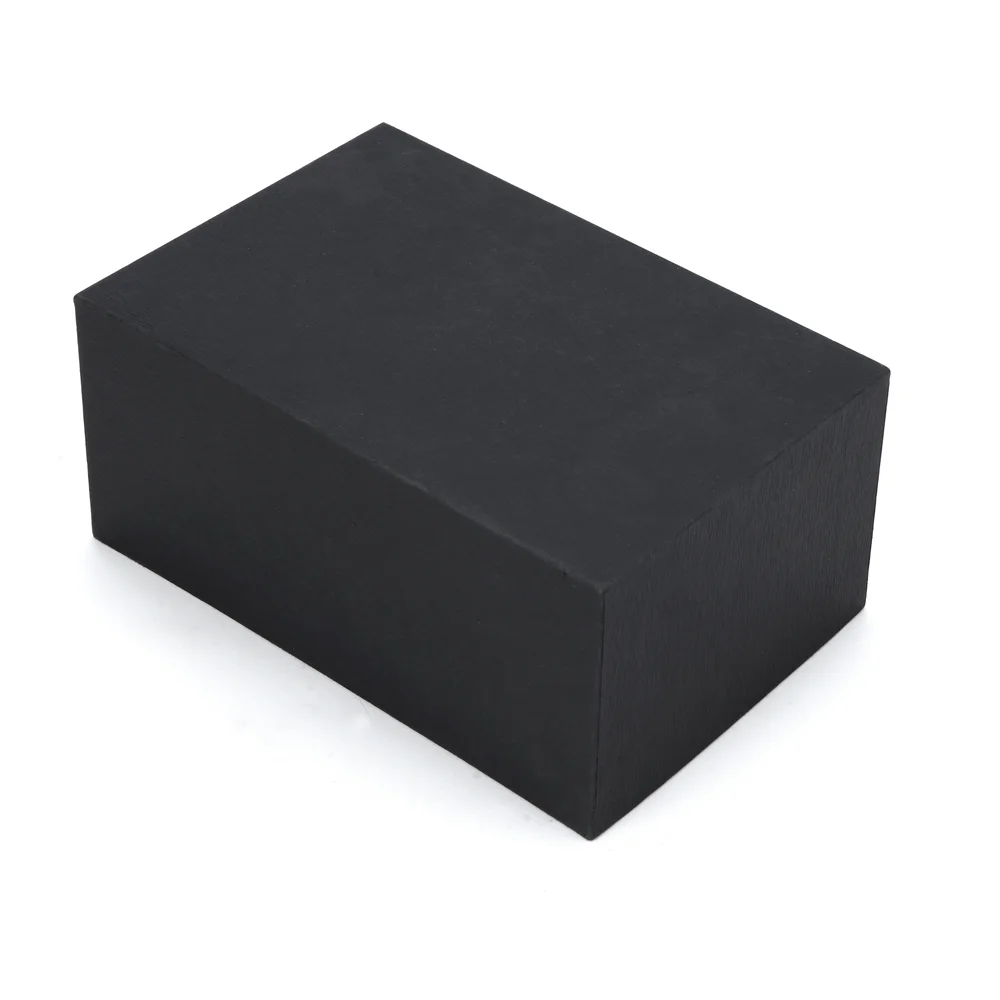
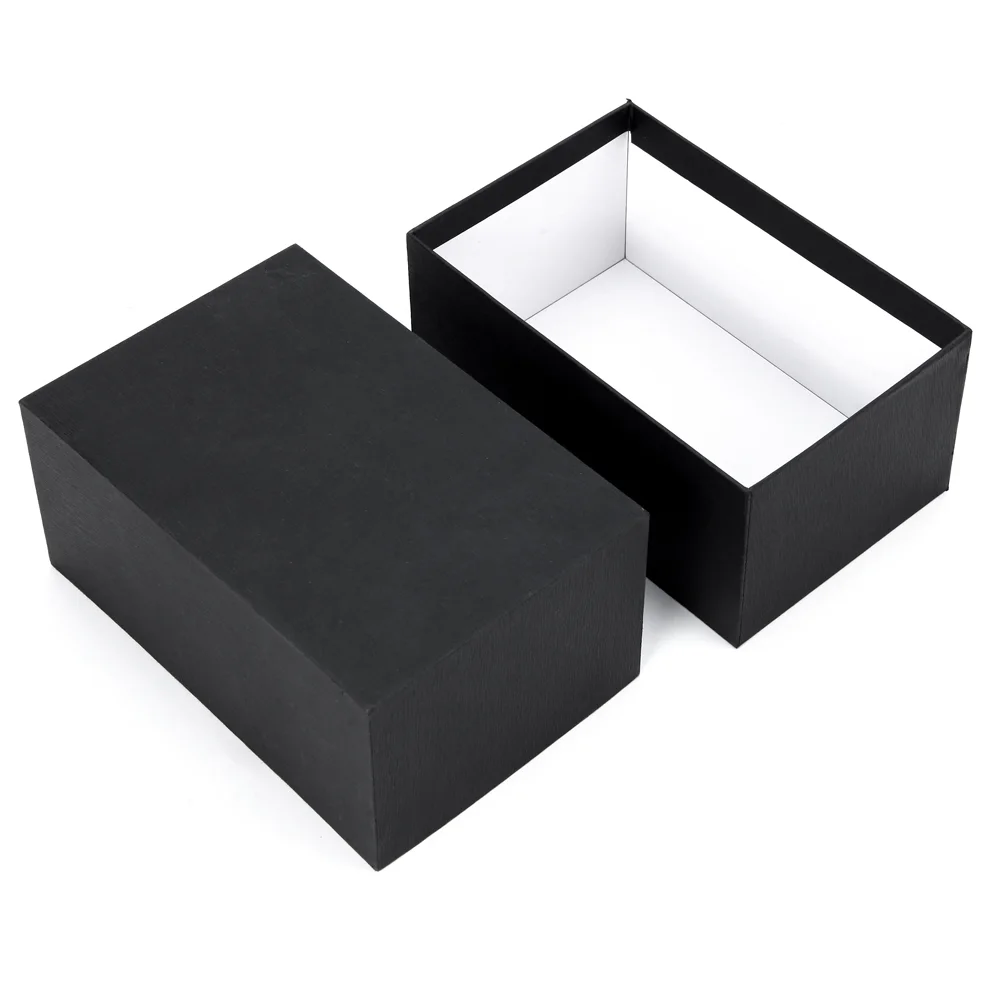
Specify lid and base depth, the packed item and opening requirements; do not infer clearance from the closed photograph.
Read the lid and base reference and its limitsSleeve and tray
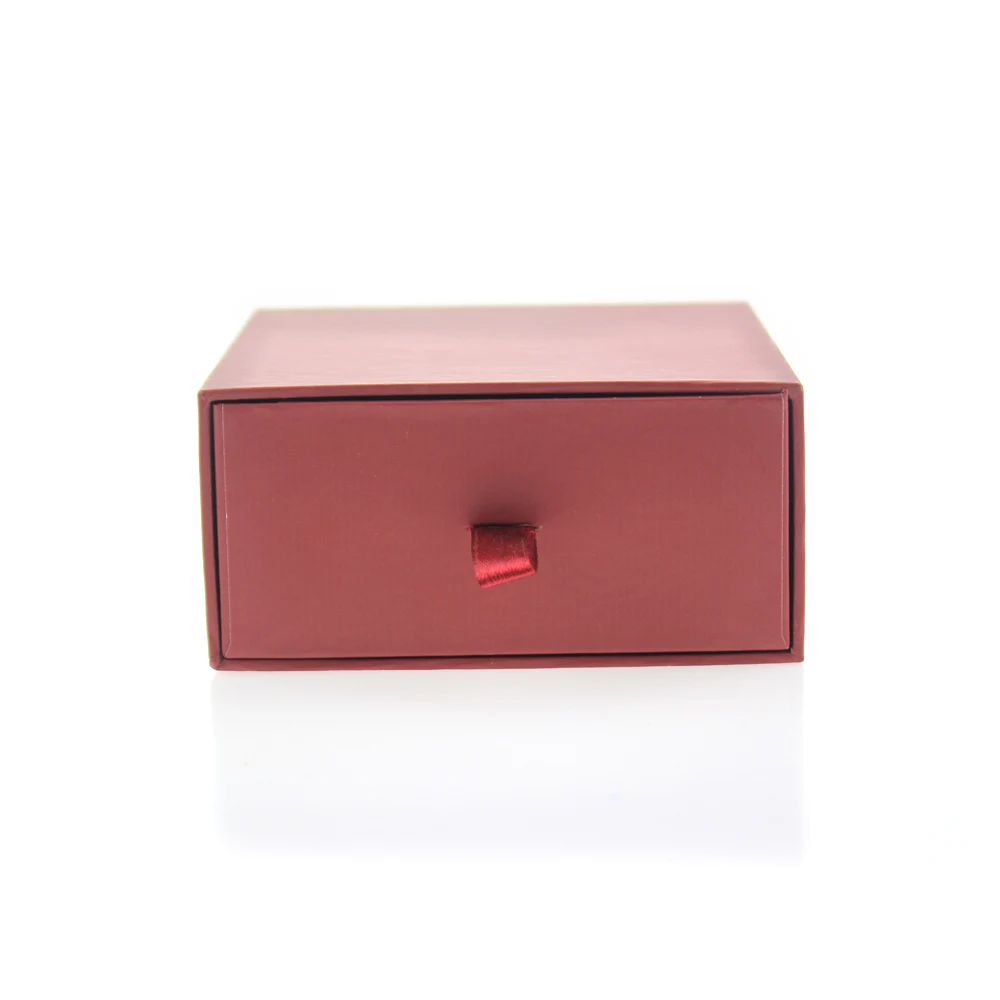
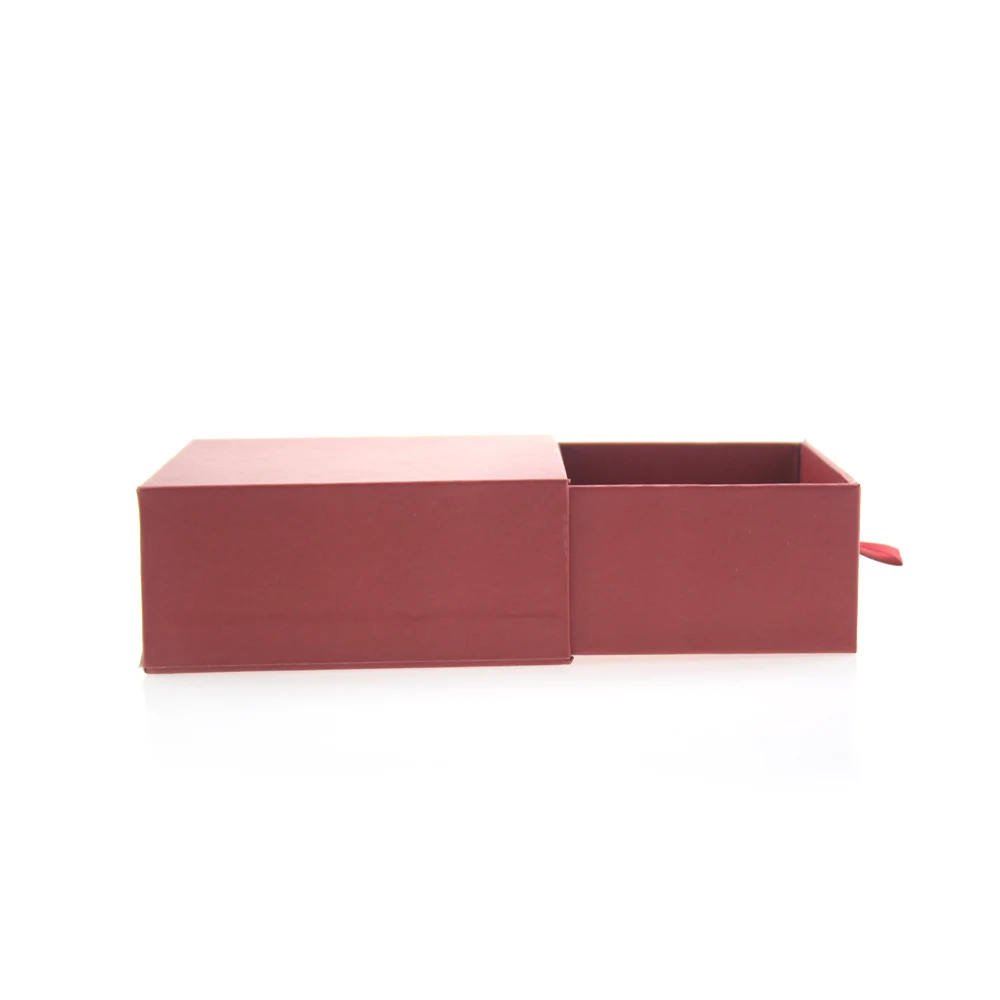
Name the sleeve, tray, pull and insert together. Ask the sample review to check movement and product removal.
Read the sleeve and tray reference and its limitsTube and cap
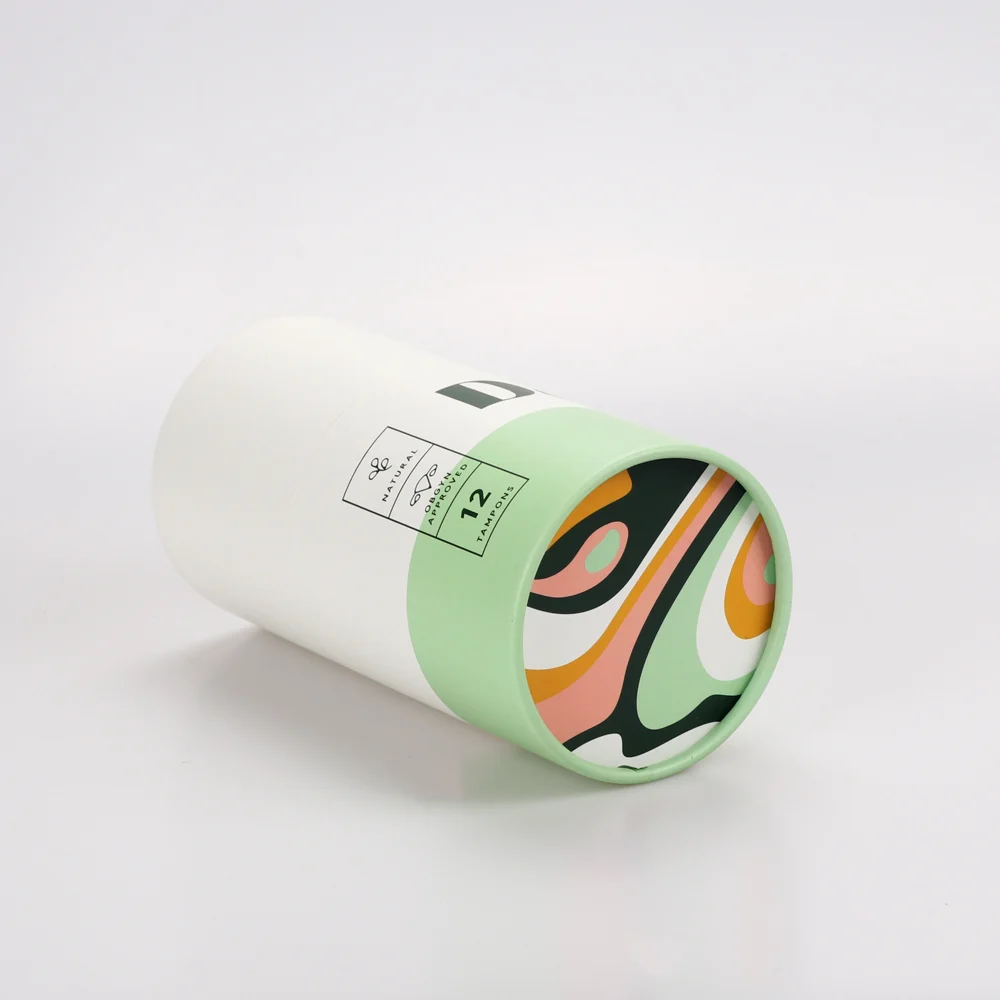
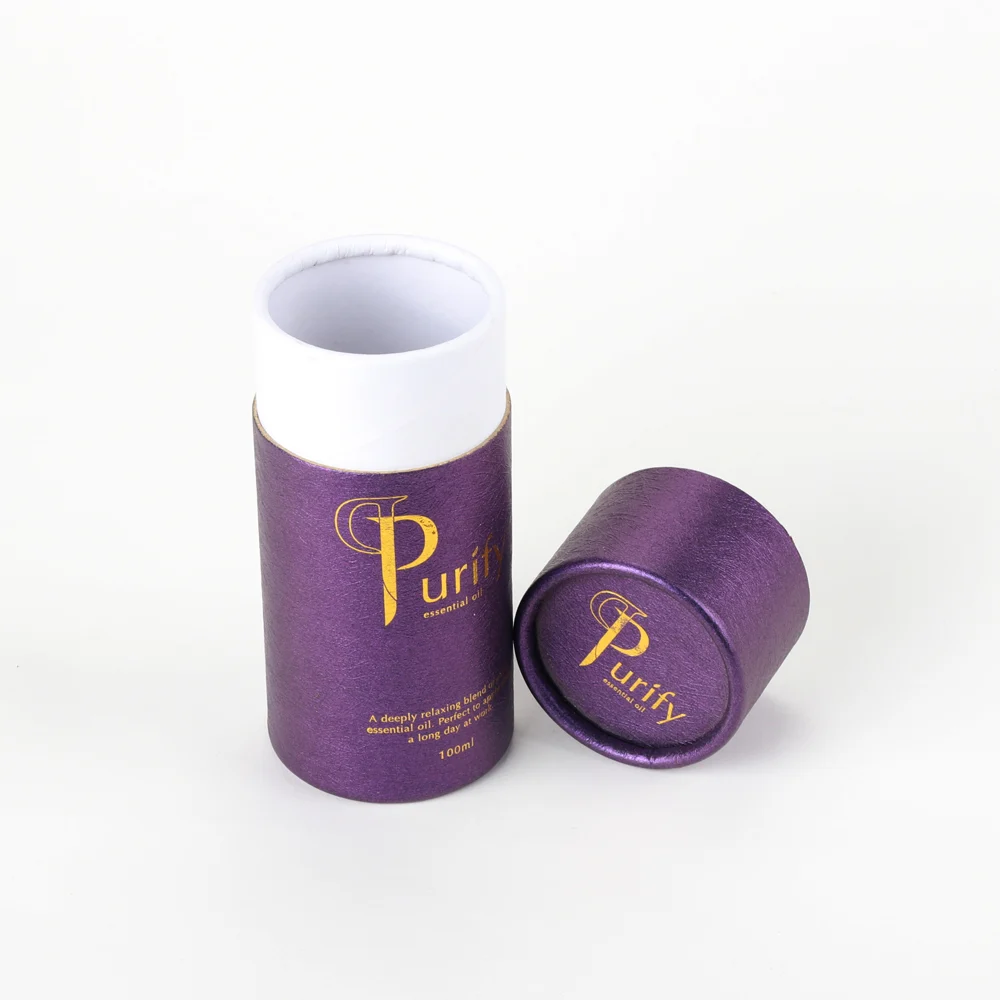
Distinguish the product diameter from usable internal space and identify the cap, shoulder and liner or support requirements.
Read the tube and cap reference and its limitsA packaging RFQ file should let every supplier answer the same product, structure, artwork, quantity and delivery brief. Keep confirmed facts separate from preferences, proposals and unresolved questions. The downloadable file on this page is a blank working template, not a quotation, material specification or production approval.
Use the quote-readiness checklist to decide what information is missing. Use this template to record that information, issue one revision and compare the responses. These are different tasks: a checklist prompts the questions; the RFQ file keeps the answers and changes together.
Start with one project ID and one issued revision
Name the project, brief revision, issue date, project owner and approval role. Mark the document as draft, issued for quotation or superseded. Keep the product and artwork revisions alongside the brief so the supplier can identify exactly what was quoted.
Copy the same issued file for each shortlisted supplier and retain an unchanged master. Ask each supplier to identify the revision received. When a requirement changes, issue a new revision to every affected supplier and list the changed fields. Do not combine a new drawing with an old quantity or finish instruction without recording the change.
Describe the complete product and packaging job
Record maximum product dimensions and weight, units, measurement source, orientation and everything packed with the item. Include caps, pumps, labels, accessories and surfaces that must not rub or carry pressure. Distinguish measured values from nominal catalogue dimensions. A photograph may explain shape but cannot establish a dimension or tolerance.
Separate the product size from finished usable package space. If fit is not settled, mark it open and request a structural sample. For cylindrical products, review the paper tube options; for a lift-off or other rigid format, use the gift-box structure route. A structure choice must answer how the product is held, opened, removed, displayed and packed for shipment.
Record materials, artwork and permitted alternatives
List the components that matter to the project: outer pack, wrap, liner, insert, divider, window, closure and shipping carton. If a material is verified, name its specification and revision. If it is not, describe the required function or appearance and request a labelled proposal. Use the material options to frame that discussion without guessing a grade.
Name the artwork and dieline files, revisions, print coverage, colour reference and finish direction. A screen image is not an approved printed colour; a finish reference is not a rub-test result. State whether the next decision needs a blank structural sample, decorated sample, material swatch or proof. Proposed substitutions must identify the changed component, reason and effect before approval.
Split quantity and packing assumptions into comparable lines
Record quantities per size, artwork and finished variant. Keep an annual forecast separate from the first order. If asking for quantity breaks, hold the structure, finish and packing specification constant unless an alternative is explicitly labelled.
Ask each response to state the currency, quotation validity, tooling, sampling, inspection, testing and transport items included or excluded. Record the named delivery place and agreed delivery scope without assuming that two unit prices cover the same service. No public template can establish your final price, MOQ, payment terms or delivery date.
Specify flat, assembled or nested packing, units per carton if known, destination, sales channel and handling concerns. If a carton plan is not available, mark it as a supplier proposal rather than inserting an invented value.
Define the next sample decision and its evidence
A useful sample request names the question to answer: internal fit, opening effort, product removal, insert support, print or finish, assembly, or the complete pack-out. Record the sample ID, revision, acceptance criteria, reviewer and unresolved points. Where testing is needed, agree what will be tested, the method and criteria, and retain the actual result.
A photograph, certificate or supplier assurance does not replace a project-specific measurement or test record. Material, food-contact, environmental and destination-market claims remain pending until the relevant evidence is reviewed. Do not turn a requested document into an assertion that the requirement has already been met.
Read responses before comparing price
Review the supplier-response column against the issued buyer input. Separate confirmed requirements, proposed alternatives, exclusions and open questions. If a response changes the size, board, insert, print coverage, quantity or packing, resolve that difference before treating the price as directly comparable.
For an unresolved dimension, identify the measurement needed and its owner. For a substituted component, request the revised specification and sample decision. For a revised artwork or quantity, reissue the brief and obtain a response to that revision. These are suggested controls, not accounts of actual customer failures.
Share only the information needed for the review
Use a project code where a customer name is unnecessary. Keep internal margins, competing supplier prices, private customer records and account credentials out of the shared file. List approved reference filenames, not confidential storage links or access tokens. Confirm permission before sharing artwork or photography; a public structure reference does not grant permission to reuse its printed branding.
Save the approved revision and keep earlier versions clearly marked as superseded. Then send the project brief for review. Include the open questions as well as known dimensions, quantity, material direction and artwork status so the response can address the next practical decision.
Recommended next paths
Review the related product route before requesting a quote
Related products + quote path
Match this article to a real packaging brief
Review the related product category first, then send size, quantity, artwork status, finish direction and target market notes for a project-specific quote review.
Frequently Asked Questions
Can I use the RFQ template before the design is final?+
Yes. Mark unknown dimensions, structure, material or artwork as Open rather than guessing. State the decision or sample needed next; preliminary review is not a final quotation or production approval.
What belongs in the field-status column?+
Use Confirmed for an input supported by its current record, Preference for a buyer direction, Proposal for a supplier alternative and Open for an unresolved question. Name the evidence or approval needed to change that status.
How do I keep supplier quotations comparable?+
Issue the same brief revision and variant quantities. Ask each supplier to identify included items, exclusions and substitutions, then resolve scope differences before comparing price.
What should I do when a dimension or artwork changes?+
Create a new brief revision, identify the changed fields and notify every affected supplier. Retain the earlier file as superseded and request a response tied to the new revision.
Should I put private customer or pricing information in the file?+
Share only what the supplier needs for the project. Use project codes where possible and omit internal margins, competing quotations, credentials and customer records. Confirm reference-image and artwork sharing rights separately.
Related Reading
- → send your completed packaging briefAfter preparing your brief, send it to MUGE PACKAGING for project review.
- → prepare a packaging estimate before inquiryUse the quote calculator to organize key project inputs before sending your brief.
- → apparel packaging inquiry checklistFor apparel boxes, tissue paper and shopping bags, use the apparel-specific checklist.
- → custom packaging quote checklistUse this checklist to prepare project details before requesting a packaging review.
- → custom packaging product rangeExplore paper boxes, rigid gift boxes, paper tubes, clear boxes and corrugated packaging.
- → cosmetic packaging factory selection guideFor beauty packaging projects, use this guide to compare structure, material, artwork and target market requirements before supplier review.