
Retail carton buyer guide
How to Specify a Retail Hang-Tab Folding Carton
A hang-tab carton looks simple, but the hanging panel adds a real structural decision. Buyers need to align the product, retail fixture, tab, slot, paperboard, artwork and packing method before comparing supplier quotes. This guide turns those choices into one usable sourcing brief.
Start with the retail fixture, not the artwork
The first question is how the retailer will display the product. A peg, single hook or display bar can require a different slot position and clearance above the carton body. Ask the retailer for a fixture reference when possible. Without it, the supplier can review a reasonable direction, but the final hanging setup remains an assumption.
The product also changes how the carton hangs. A lightweight item near the centre of the box behaves differently from a tall product with more weight at the bottom. Share product dimensions, packed weight and orientation before the dieline is approved.
Hang-tab carton vs standard tuck-end carton
| Decision | Hang-tab carton | Standard tuck-end carton |
|---|---|---|
| Primary display | Peg or hook plus possible shelf display | Shelf, tray or counter display |
| Top panel | Extended panel with die-cut slot | Tuck flap without a hanging extension |
| Extra review | Slot position, tab stiffness and hanging balance | Tuck direction, closure and assembly |
| Best fit | Products that need hanging visibility | Products that mainly stand or stack |
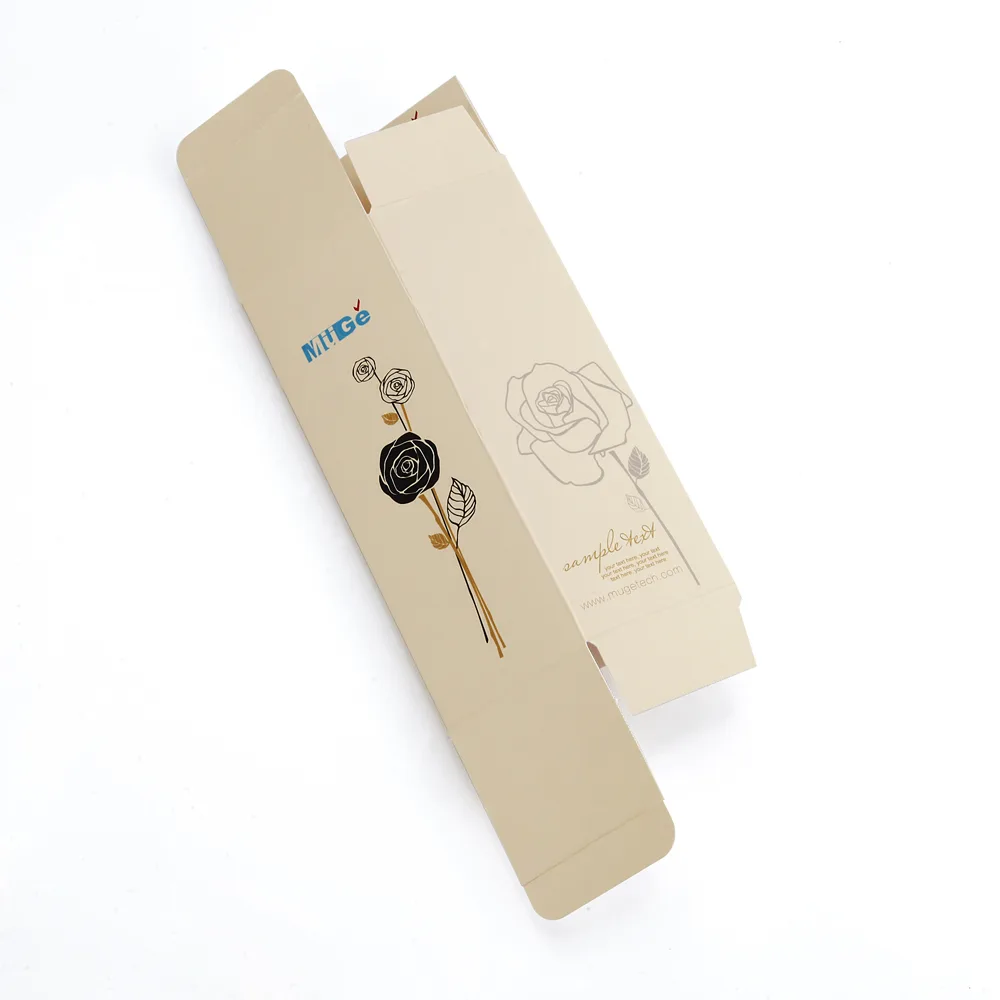
Review the photographed custom printed hang-tab carton for the specific format, or use the broader tuck-end box route when hanging display is not required.
Paperboard, printing and finish decisions
Coated paper and white cardboard support clear printed graphics, while kraft paper creates a more natural fibre appearance. The right board direction depends on product weight, carton dimensions, hanging panel geometry and finish. A material name alone is not enough for a comparable quote.
Map every printed surface before sampling: front, back, side panels, top panel and the area around the slot. Keep barcodes, mandatory labels and small text away from creases, flaps and glue seams. Foil, spot UV, embossing, debossing and lamination can be reviewed, but the supplier should check whether a finish crosses a fold or interferes with the hanging area.
What to check in a physical sample
- Product fit without excessive movement or panel distortion
- Tab stiffness and slot position on the intended retail fixture
- Top and bottom closure after repeated opening and assembly
- Artwork alignment across front, side and folded panels
- Barcode and label visibility after the carton is assembled
- Flat or assembled packing method and master-carton protection
Quote-ready hang-tab carton checklist
Send the same inputs to every supplier so the quotes describe the same carton:
- 1Product name, dimensions, packed weight and orientation
- 2Target carton size or a physical reference sample
- 3Retail fixture or hanging-slot reference
- 4Board direction, print coverage, finish and artwork status
- 5Quantity per design and whether cartons should ship flat or assembled
- 6Inner support, master-carton packing and destination market
For mixed paper-box projects, compare the format with the broader paper packaging product route and use the packaging quote brief template to organize dimensions, artwork and packing details.
Common specification mistakes
The most common mistake is approving artwork before the retail fixture and dieline are settled. Other risks include comparing quotes that use different board directions, forgetting the packed product weight, placing a barcode across a fold, or assuming the carton will ship assembled when the supplier quoted flat packing.
A good quote should state the assumptions clearly. If the hanging fixture, product weight or packing method is unknown, mark it as an open item rather than hiding the uncertainty.
Hang-tab carton FAQ
What is a hang-tab folding carton?
It is a paperboard folding carton with an extended panel and die-cut slot designed for peg or hook display. The tab is part of the carton dieline rather than a separate plastic hanger.
When should a buyer choose a hang-tab carton instead of a standard tuck-end box?
Choose the hang-tab direction when the retailer expects hanging display or when a tall, narrow product needs better vertical visibility. A standard tuck-end carton is usually simpler when the box will only stand on a shelf.
What should be tested in the physical sample?
Check product fit, top and bottom closure, glue seam, tab stiffness, slot position, hanging balance, artwork alignment, barcode visibility and how the cartons are packed for delivery.
What MOQ applies to custom printed folding cartons?
MOQ starts from 500 units per design for most MUGE custom packaging projects. Final feasibility depends on dimensions, board, print, finish, packing and project requirements.
Prepare a hang-tab carton sample brief
Send the product size, weight, hanging direction, artwork status, quantity and destination market for a project-specific structure review.
Request carton review