
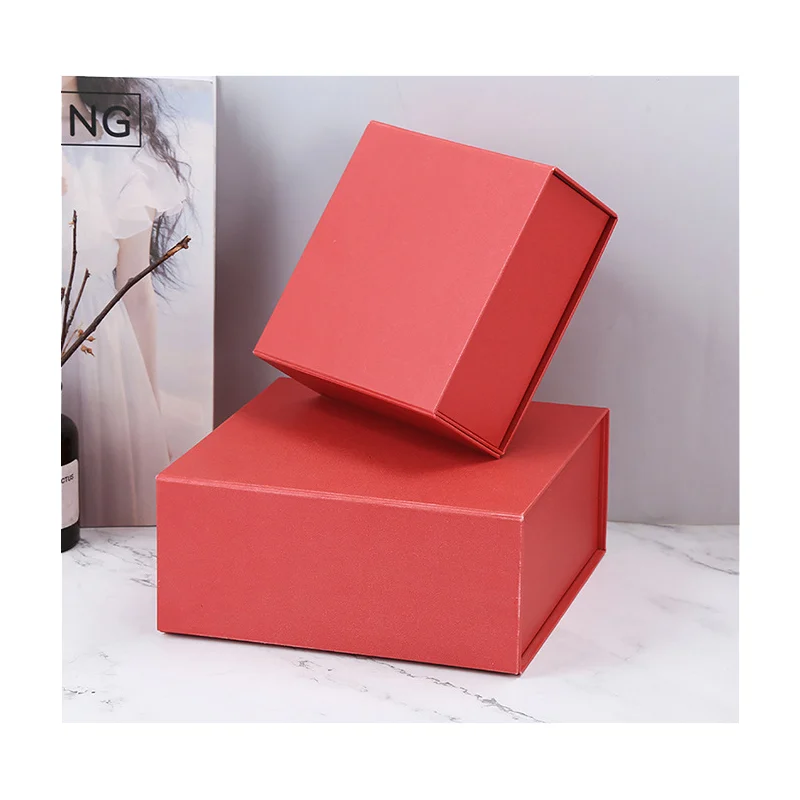
Custom Foldable Rigid Boxes
Fold-flat rigid gift box with a magnetic flap assembly, shown here in flat, assembled and closed views. Storage and shipping volume can be lower than for an equivalent pre-assembled rigid box, subject to the final dimensions and packing plan.
Key Features
- Fold-flat construction
- Rigid board structure
- Magnetic flap assembly
- Custom wrap and print
- Physical sample review
Project snapshot
MOQ
MOQ from 500
Sampling
Reviewed by project
Lead time
Confirmed after brief
Custom print
Full-color + finishes
Final MOQ, sampling and production timing are confirmed after product size, structure, material, print coverage, finish and packing details are reviewed.
Ready for review?
Send product size, quantity, artwork status, finish direction and target market so MUGE PACKAGING can review this packaging route before sampling.
Review the flat-pack structure before approving a sample
The four reference images show a fold-flat construction family in two sizes, in closed, assembled and laid-flat states. Use them to discuss the structure for your own product; confirm the final dimensions, materials, assembly method and packed result with a project-specific sample.
1. Identify the sample being approved.
Label the chosen size and sample revision before reviewing fit. The two reference sizes are not a dimension specification; provide the maximum packed-product envelope and the space needed to place and remove it.
2. Compare the flat and assembled states.
Ask for both states of the same project-specific sample. Check which panels form the base, side walls, lid and closing flap, and record the intended assembly order before approving the structure.
3. Confirm how the corners and closure are secured.
The reference images do not identify the corner attachment material or concealed closure components. Confirm the supplied attachment method, any buyer assembly steps and the required closure behaviour with the supplier.
4. Check alignment after assembly.
Review the corner joints, side-wall position and lid-to-flap alignment on the assembled sample. Record lifting edges, gaps, unwanted spring-back or areas that prevent the lid from seating as agreed.
5. Review the insert with the box.
Fit the actual product and proposed insert before approving the closing position. Check insertion and removal, movement within the box and whether the insert or product obstructs the folding or closing areas.
6. Inspect the wrap at folds and edges.
Review the selected paper, print and finish on the actual sample, especially across fold lines, corners and wrap edges. Confirm acceptable appearance and handling marks; the reference photographs do not establish a board grade or abrasion rating.
7. Approve the complete packing arrangement.
Record whether boxes are supplied flat or assembled, the protection between units and the outer-carton arrangement. Compare dimensions and packing quantities from the same project before discussing storage or freight savings; approve and retain the agreed sample revision.
Related Products
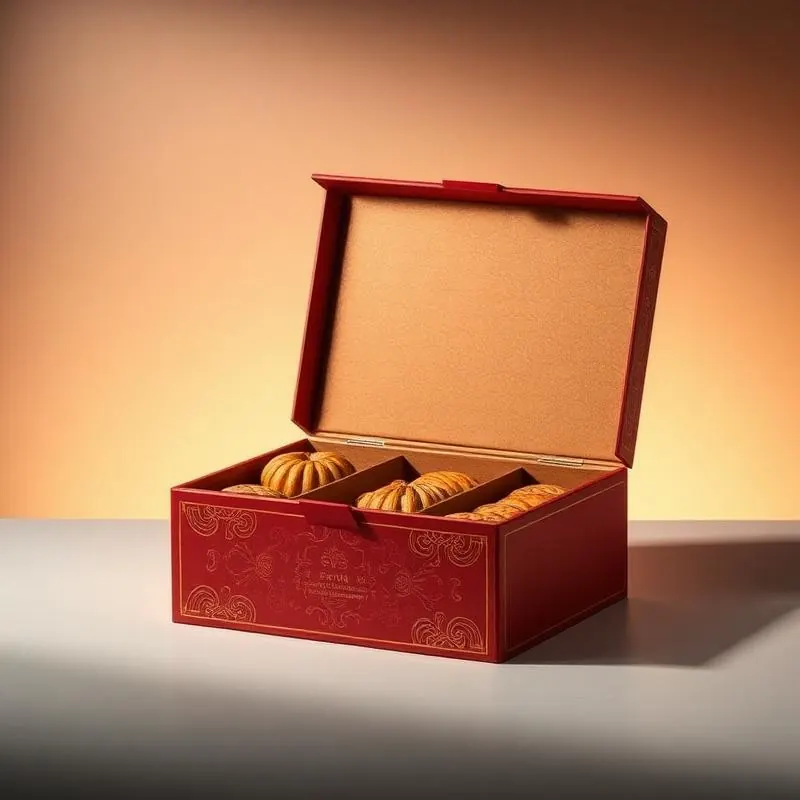
Mooncake Gift Box
Premium collapsible mooncake gift box with custom compartments. Ships flat, requires assembly before packing with magnetic closure.
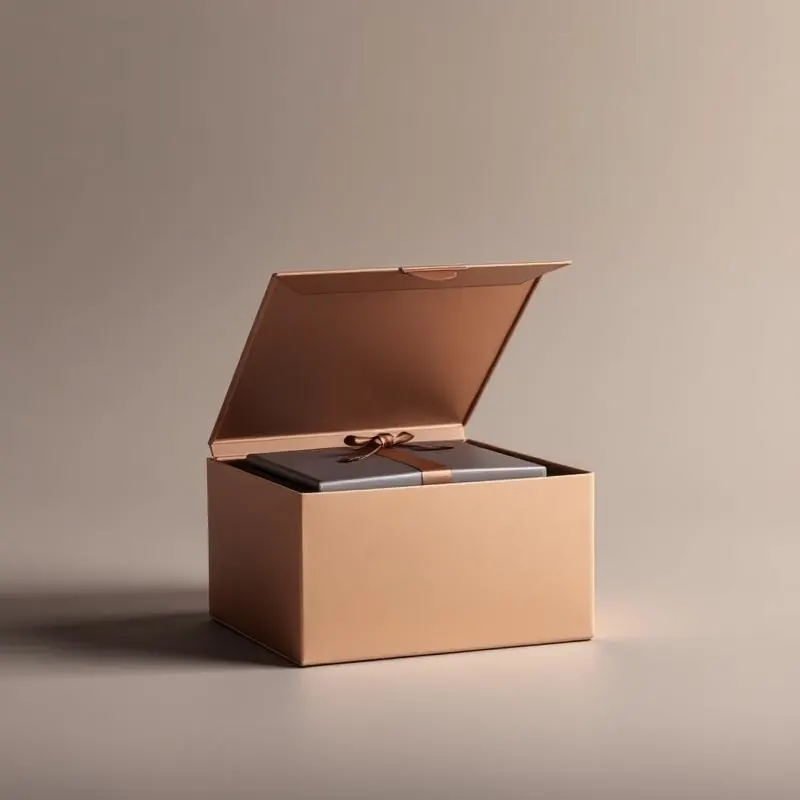
Magnetic Folding Box
Premium brand unboxing experience with luxury magnetic folding gift boxes. Elegant presentation with space-saving storage.
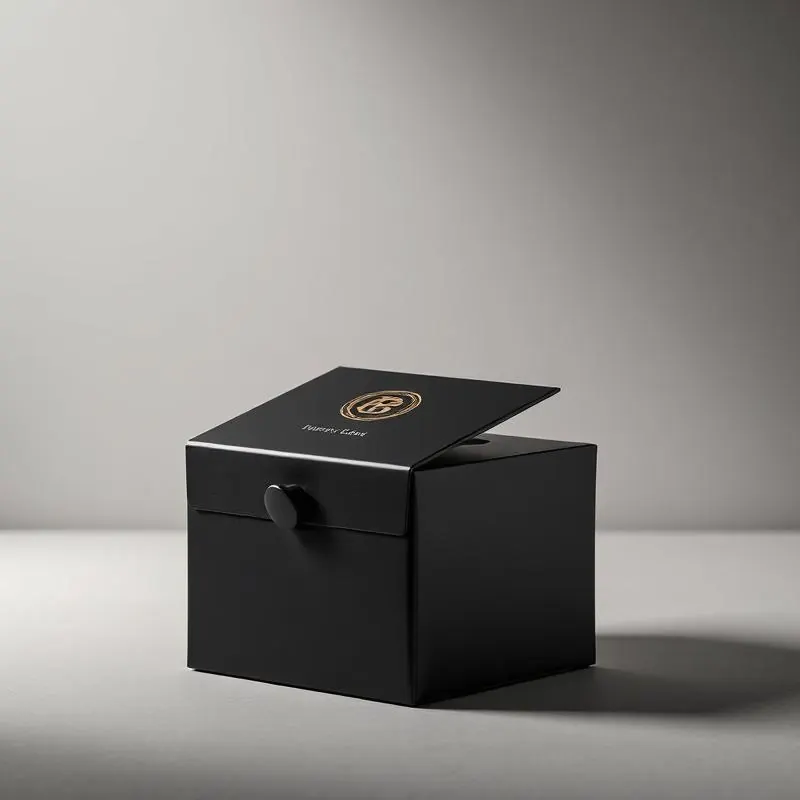
Black Folding Box
Sleek black folding gift boxes with magnetic closure. Soft-touch matte finish with gold foil logo option.
Kraft Folding Box
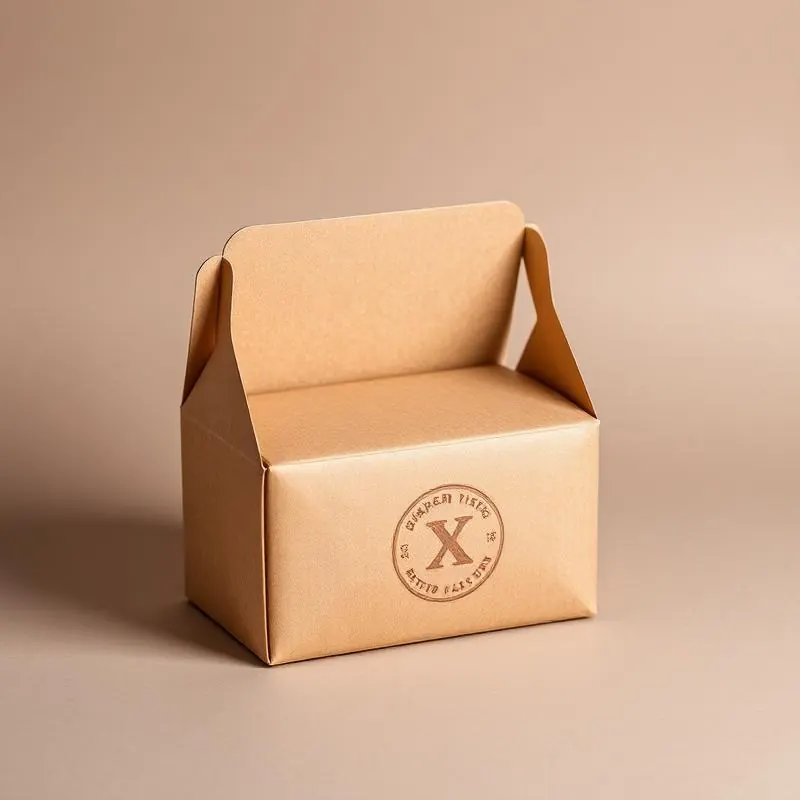
Kraft-paper surface option folding gift boxes. Natural brown aesthetic with eco-friendly appeal and custom stamping.
Need This Customized?
Share your product size, quantity, artwork, material direction and target market so our team can review the packaging route and quotation details.
Contact Us Now