
Structure
Confirm folding rigid, collapsible magnetic, drawer, lid-and-base or lighter folding carton direction.
Custom folding gift box wholesale, foldable gift boxes, rigid carton directions and collapsible rigid boxes engineered to ship flat and snap into shape with a magnetic closure. MUGE reviews size, board, printing, finishes and inserts around your product, order quantity and target market.
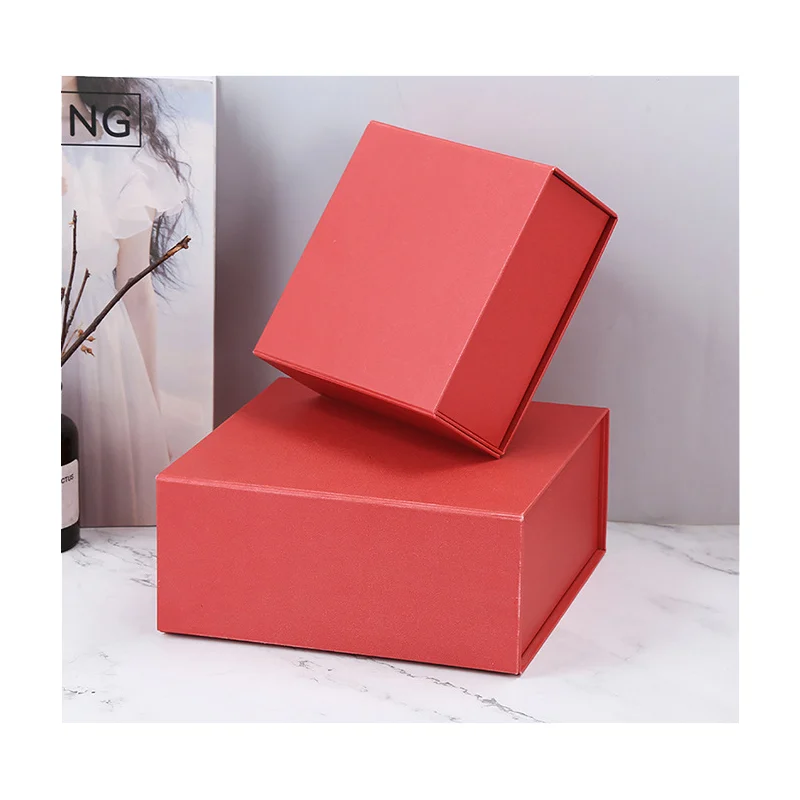
For a faster quote on folding gift box packaging or folding gift boxes wholesale, share the product dimensions, packed weight, preferred opening style, artwork status, insert need and target quantity. These details help the team review whether a magnetic, collapsible or drawer-style gift box is the better fit before sampling.
If you are comparing a folding gift box manufacturer, foldable gift box factory or collapsible gift box supplier, use one brief for structure, board direction, insert support, finish reference and packing plan so each quote can be judged side by side.
MOQ review
From 500 units
Before pricing
Structure + artwork check
Factory review
Direct Shenzhen manufacturer
Export support
Invoice, packing list, origin docs
Folding gift box quote checklist
Buyers comparing folding gift box wholesale, foldable gift boxes or collapsible gift boxes often compare several structures for one project. Confirm whether the project needs a flat-pack rigid gift box, collapsible magnetic box, drawer box or lighter folding carton before sampling.
MOQ
From 500 units
Suitable for premium gift sets, retail launches and custom foldable packaging projects.
Best fit
Gift sets, cosmetics, jewelry, retail
Use this option for foldable gift boxes, collapsible gift boxes wholesale and custom rigid box packaging.
Prepare
Layout, board, closure, insert
Send product dimensions, set layout, magnetic closure direction, insert plan, finish reference and target market.
Quote fit
Use this checklist when you are comparing folding gift box wholesale, foldable gift boxes, collapsible gift boxes or magnetic flat-pack gift boxes. A comparable quote should use the same structure, board direction, insert plan, finish reference, target quantity and destination market.
Editable RFQ tool
Record the box structure, packed product, board, insert, closure, artwork, finish, packing method and target quantity once, then use the same brief for every folding gift box wholesale supplier you compare.
Download editable CSVConfirm folding rigid, collapsible magnetic, drawer, lid-and-base or lighter folding carton direction.
Send product size, set layout, board direction, insert needs, finish reference, quantity and market.
Compare structure review, artwork check, sample review, packing volume and export document handling.
Gift Box Next Step
Use the option that matches your current sourcing stage: compare box structures, review sample materials, or send a quote-ready gift box brief.
Use this if you are still deciding between a folding gift box, magnetic box, drawer box or lid-and-base rigid box.
Use this if you need to check board, wrap paper, print finish or insert options before sending a full RFQ.
Use this if product size, layout, finish direction and target quantity are ready for structure review.
Supplier review
Use this section when comparing packaging suppliers on quality control, sampling, MOQ and export documentation before sending a quote request.
Request a supplier review quoteShenzhen Muge Design Packaging Product Co., Ltd. is ISO 9001:2015 certified for packaging products including paper boxes, plastic pouches and plastic boxes, subject to certificate scope and validity.
Most custom packaging projects can start from 500 units per design, with structure, material, artwork and finishing reviewed before production confirmation.
Buyers can review a physical sample before a bulk order so product fit, print direction, insert structure and finish details are checked together.
For export orders, MUGE can provide standard documents such as commercial invoice, packing list and certificate of origin when required for the shipment.
Industry links
Gift boxes are chosen differently for beauty, fashion, electronics and retail sets. These industry links help buyers connect opening style, insert support, board choice and finish direction to the right category.
For skincare sets, fragrance boxes and beauty launch kits that need premium unboxing and insert review.
For accessories, apparel, lifestyle sets and retail packaging where presentation and flat packing matter.
For devices and accessories that need rigid-style presentation, insert planning and product protection.
Buyers use these terms in different ways. A useful quote starts by confirming whether the project needs a flat-pack rigid gift box, a folding carton, a drawer box or a magnetic closure gift box.
They usually want a premium box that ships flat and assembles into a rigid-style presentation pack. The important checks are product fit, opening style, magnetic closure direction, insert support and packing volume.
Wholesale comparison should use the same structure, board direction, surface paper, finish reference and quantity assumption. Otherwise suppliers may quote different box types for the same project brief.
A simple folding carton can work for lightweight retail packaging, but gift sets, jewelry, cosmetics and premium campaigns may need a foldable rigid box with stronger board and insert review.
Comparing folding gift box suppliers? Send product dimensions, gift-set layout, finish reference, insert need and target quantity so the quote can be reviewed on the same structure.
Request a foldable gift box quoteMUGE reviews folding gift-box projects from the buyer's product, packing and presentation requirements. A physical sample is required before any structure is treated as approved for production.
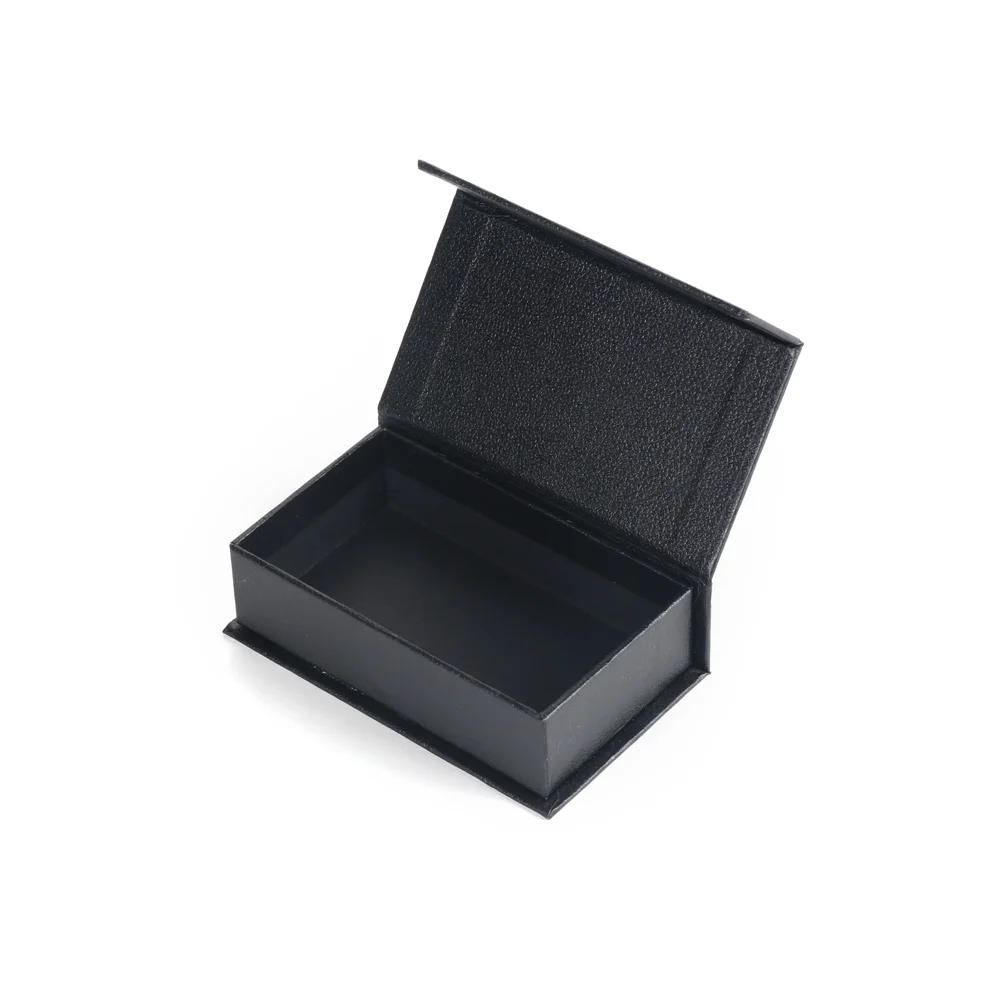
Magnetic closure option
Review this book-style rigid box format, then prepare the product size, opening direction, insert, board, wrap and finish inputs needed for a project-specific sample.
Review magnetic gift box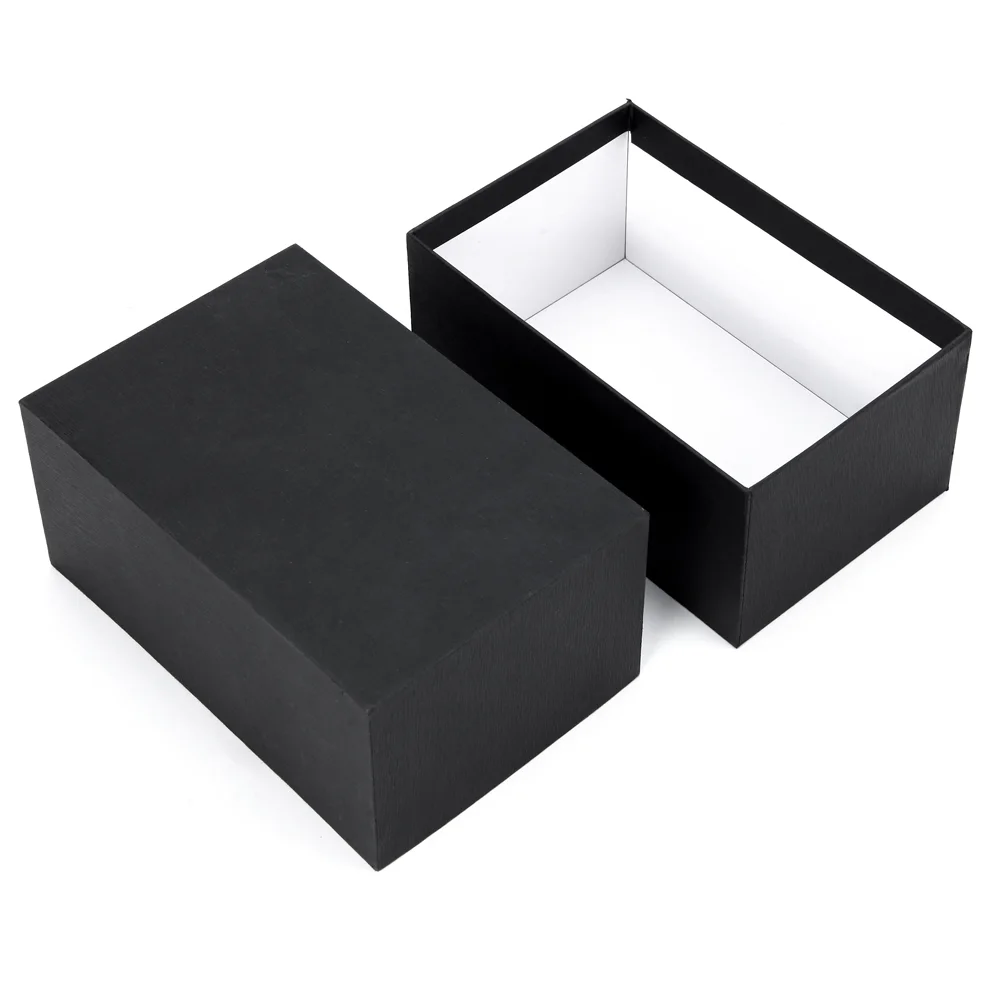
Lid-and-base option
Use the same-product closed, open, lid-angle and wrap-detail views to compare lid depth, opening clearance, board wrap and insert direction before requesting a project-specific sample.
Review five physical structure viewsPhysical structure reference
These unbranded physical samples show the same fold-flat construction family in two sizes, assembled and opened flat. Use the four images to discuss fold lines, board direction and packing method before requesting a project-specific sample.
Review four physical structure viewsReview this direction when the pack must ship flat but still present like a rigid gift box. Confirm fold lines, magnetic closure, glue areas, board direction, insert support and assembled stability.
Use this as a comparison path when presentation and rigidity matter more than flat packing. Lid-and-base, drawer and magnetic structures require different insert and outer-carton decisions.
Use this lighter structure for suitable retail products where board efficiency and compact shipping matter more than a rigid-box opening experience. Product weight and protection still need review.
Send product dimensions, packed weight, gift-set layout, opening direction, insert requirement, finish reference and quantity. MUGE will review the likely structure path before a physical sample is produced.
Review my gift box structureMOQ
From 500 units
Reviewed by design, structure and finish
Lead Time
By project
Sample and production timing reviewed
Material
Custom board
Greyboard, kraft, art paper
Packing
Flat pack
Packing plan reviewed by project
For rigid gift box and luxury gift packaging projects, these details help a supplier review structure, material direction, insert support and sampling priorities before quoting.
Common structures include lid-and-base boxes, drawer boxes, magnetic closure boxes and folding gift boxes. Final structure should be reviewed against product fit, visual direction, sales channel and shipping requirements.
Gift box planning map
These buyer questions usually come from teams comparing custom gift box packaging, custom rigid box packaging, luxury gift box suppliers or rigid box manufacturers. The better buying decision starts with product, structure, insert, finish and channel inputs before discussing price, MOQ, timing or production assumptions.
Compare wholesale suppliers with the same flat-pack rigid structure, board direction, insert plan and finish reference before reviewing project cost.
Ask whether the factory reviews product fit, magnetic closure direction, glue area, packing volume and artwork before sample production.
Confirm whether the project needs a premium collapsible rigid box, a drawer box or a lighter folding carton so the quote is comparable.
If the box needs a flocking, velvet or fabric-touch insert, review product contact areas, insert fit, color direction and abrasion concerns before sampling.
| Project topic | Buyer question | Inputs to prepare | Buyer decision |
|---|---|---|---|
| foldable gift boxes | Does the buyer need a flat-shipping rigid-style box or a simple folding carton? | Product size, gift-set layout, opening style, magnetic closure need, packing volume and retail channel | Clarify whether foldable means collapsible rigid gift box, folding carton or flat-pack mailer before sampling. |
| foldable boxes for gifts | Is the buyer looking for a gift-ready box that ships flat? | Gift item size, presentation goal, insert need, opening direction, finish reference and carton packing plan | Review whether a collapsible rigid gift box, magnetic folding box or lighter gift carton is the best match. |
| collapsible gift boxes wholesale | What should be confirmed before comparing wholesale suppliers? | Target quantity, board direction, insert plan, assembly method, finish reference and destination market | Compare suppliers with the same structure and packing assumptions instead of only asking for a unit price. |
| folding gift box manufacturer | What manufacturer-side checks matter before sampling? | Dieline status, board direction, magnetic closure area, fold line, glue area, insert fit and artwork readiness | Choose a manufacturer that reviews structure and prepress details before treating the project as a simple box order. |
| folding gift box packaging | Which gift box option fits the gift set and sales channel? | Retail channel, product count, gift-set layout, unboxing style, outer packing requirement and destination market | Map the gift box to product fit, display role and packing plan before comparing material or finish options. |
| custom gift box packaging | Which box style fits the product and brand position? | Product size, weight, gift-set layout, opening style, insert needs and retail or ecommerce channel | Compare folding gift box, lid-and-base rigid box, drawer box and magnetic closure directions before sampling. |
| custom rigid box packaging | What should be confirmed before a rigid box sample is made? | Greyboard direction, wrap paper, finish reference, artwork status, insert support and outer packing plan | Review structure, board, surface paper and insert together instead of treating decoration as the first decision. |
| luxury gift box supplier | How can a buyer compare premium gift-box suppliers safely? | Product category, finish goals, opening experience, target market, document needs and sample review goal | Use supplier review around product fit, material direction, finish feasibility and evidence-based project details. |
| rigid box manufacturer | When does factory-side structure review matter most? | Dieline status, product tolerance, insert layout, material thickness, assembly method and shipping scenario | Confirm product fit, structure, board direction and insert support before comparing price, timing or production plans. |
| flocking packaging for gift box | Does the project need a flocking or velvet insert, lining or touch-point surface? | Product contact area, insert shape, color direction, surface paper, finish reference, abrasion concern and packing plan | Review flocking, velvet or fabric-touch details together with insert fit and product protection before sampling. |
For fashion, jewellery and accessory projects, use the fashion packaging solution to review product presentation, insert fit, barcode or care-information space and outer-carton handling alongside this rigid gift box sourcing guide.
For buyers comparing folding gift box manufacturers, foldable gift boxes and collapsible gift boxes wholesale, a consistent brief makes supplier quotes easier to compare.
These questions help buyers searching for folding gift box, foldable gift boxes or collapsible gift boxes wholesale prepare one comparable supplier brief.
If the box must ship flat, review a foldable or collapsible rigid-style gift box. If the strongest assembled presentation matters more than packing volume, compare lid-and-base, drawer or magnetic rigid box options.
Use the same structure, board direction, insert plan, surface paper, finish reference, quantity direction and destination market when comparing suppliers. Otherwise different suppliers may quote different box types for the same project.
Ask for flocking, velvet or fabric-touch review when the product touches the insert or when premium presentation is part of the purchase decision. Share product contact areas, insert shape and color direction before sampling.
Send product dimensions, gift-set layout, preferred opening style, insert plan, surface finish reference, artwork status, estimated quantity and destination market. This keeps foldable, collapsible and magnetic gift box quotes comparable.
For a quote-ready folding gift box brief, send product dimensions, gift-set layout, board direction, opening style, insert plan, surface finish reference, quantity direction and destination market. MUGE PACKAGING can review foldable gift boxes, collapsible rigid boxes, magnetic folding boxes and velvet insert gift box projects against the same brief.
Send foldable gift box briefRigid and luxury box cluster
The commercial landing page now leads to a physical lid-and-base record, a decision guide, a specific product structure and a project brief instead of relying on one isolated keyword page.
Review flat-pack, magnetic and insert directions for premium gift-box sourcing.
DetailPrepare product fit, lid depth, insert, wrap and opening-feel decisions for a specific rigid structure.
DetailReview the assembled base, tray, presentation height, finger access and lift-off lid relationship before sampling.
DetailReview hinged opening, magnetic closure, insert support and wrap direction for a book-style rigid box.
Physical evidenceInspect a hash-locked continuous photo set with explicit evidence limits.
Buyer guidePrepare dimensions, structure, insert and finish decisions before supplier comparison.
RFQShare product layout, opening style, insert plan, quantity and destination market.
Quote-ready handoff
Folding gift box projects are easier to review when product layout, opening style, insert plan and packing plan are clear before the first sample. Use this handoff for magnetic boxes, flat-pack rigid boxes, gift sets and premium retail packaging.
Copy-ready message
Hi MUGE PACKAGING, we are reviewing custom folding gift boxes for [product or gift set]. Product layout is [details], preferred opening style is [style], quantity direction is [quantity], and we need help reviewing board, insert, finish and flat-pack structure.
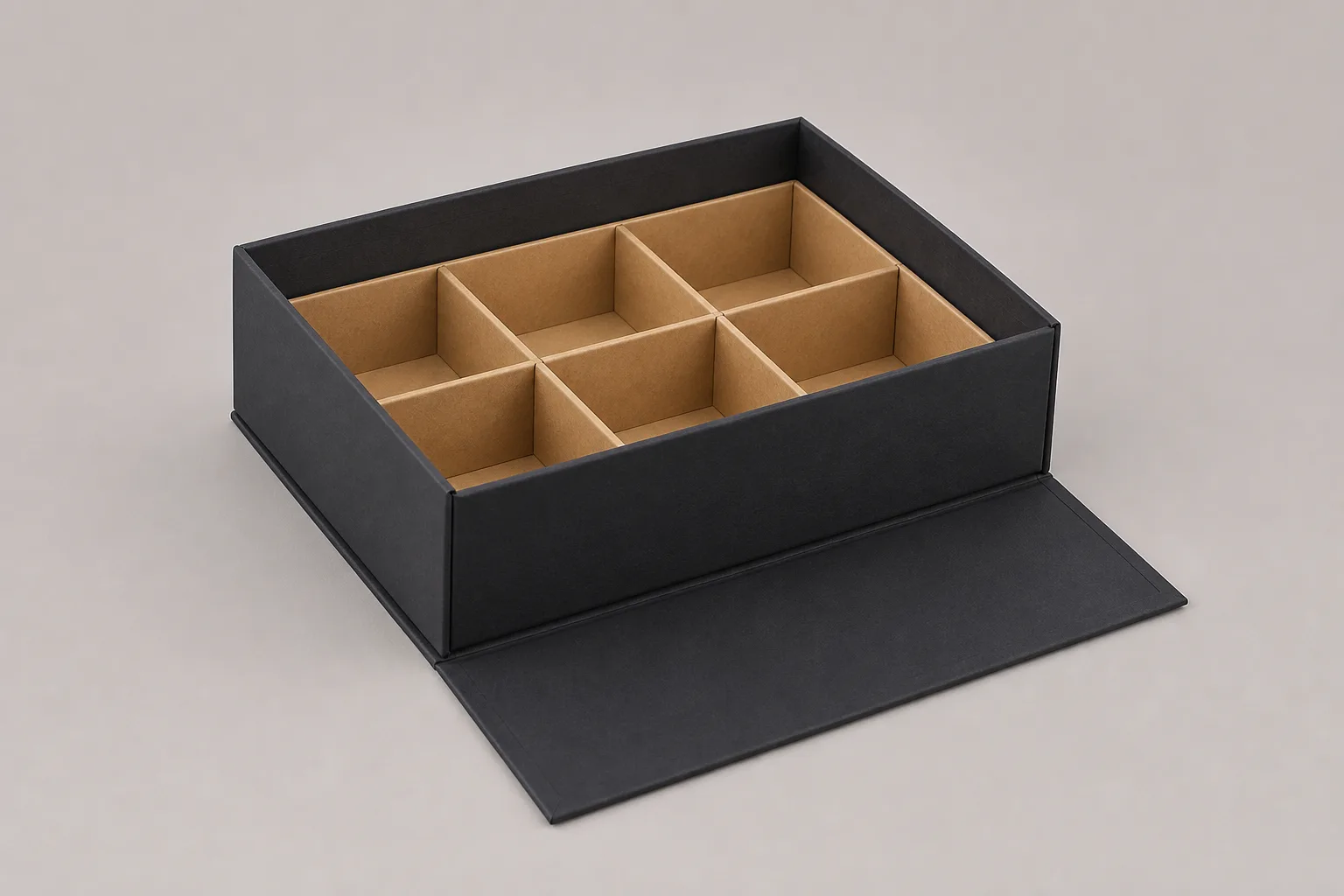
Exact product format
Review this separate shell-and-grid direction when the item grouping may change. It is a MUGE concept direction, not a customer project or a production sample.
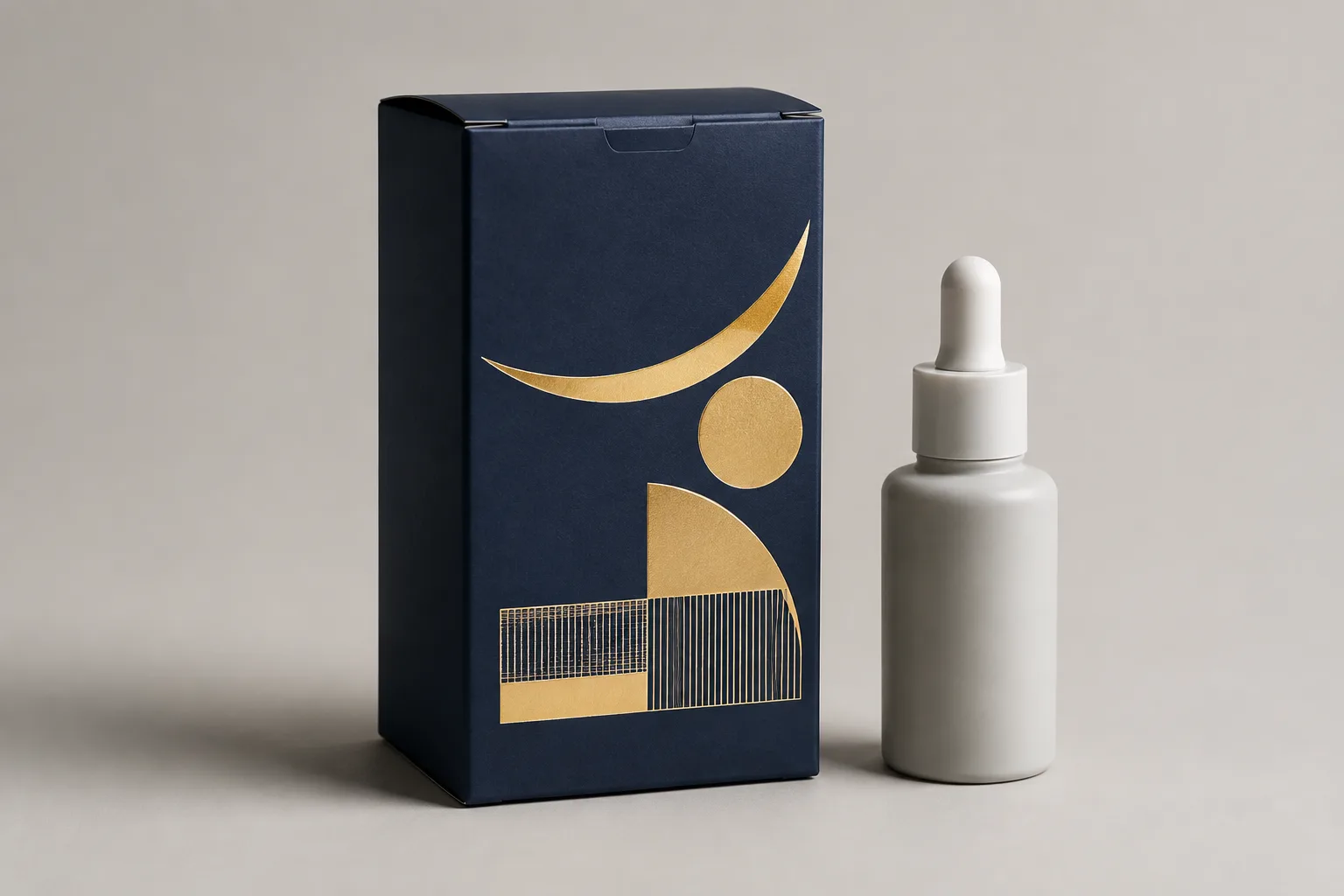
Retail folding carton format
Review this lighter folding-carton direction when the retail-facing panel, folds and foil map need to work together. It is a MUGE design-direction concept, not a customer project, factory photograph or production sample; dimensions, artwork registration and display performance require sampling.
Send product dimensions, opening style, insert plan, finish reference, quantity direction and destination market so MUGE can review the folding gift box structure before sampling.