Paper vs Plastic: The Data Behind the Decision
For packaging buyers in 2026, the paper versus plastic decision is not a simple binary choice. Both materials have evolved significantly, and the right answer depends on product requirements, regulatory environment, sustainability commitments, and total cost of ownership.
Cost Comparison
Paper-based packaging (folding cartons, corrugated boxes, paper tubes) has historically carried a 10-30% cost premium over equivalent plastic formats by weight. However, the total cost calculation is shifting because plastic prices are increasingly volatile due to petroleum feedstock fluctuations, while paper prices benefit from established recycling infrastructure and renewable sourcing.
| Factor | Paper Packaging | Plastic Packaging | |--------|----------------|-------------------| | Raw material cost (2026 avg) | -1200/ton | -1400/ton | | Recycling rate (global) | 68-73% | 9-14% | | Carbon footprint (kg CO2/ton) | 600-900 | 1800-2500 | | Biodegradability | 2-6 months | 100-500 years | | Regulatory risk (EU) | Low | Medium-High |
Sustainability Metrics
Paper packaging is the clear sustainability leader. Recycling infrastructure for paper and cardboard is mature in every developed market, with recovery rates exceeding 80% in the EU and North America. Plastic recycling infrastructure remains fragmented, and only 9-14% of plastic packaging is actually recycled globally (OECD data, 2025).
Where Plastic Still Wins
There are applications where plastic packaging remains the superior technical choice: transparent product display (PET/PVC boxes), moisture barrier for perishable goods, flexible packaging for lightweight products, and applications requiring hermetic sealing for food safety.
The Hybrid Approach
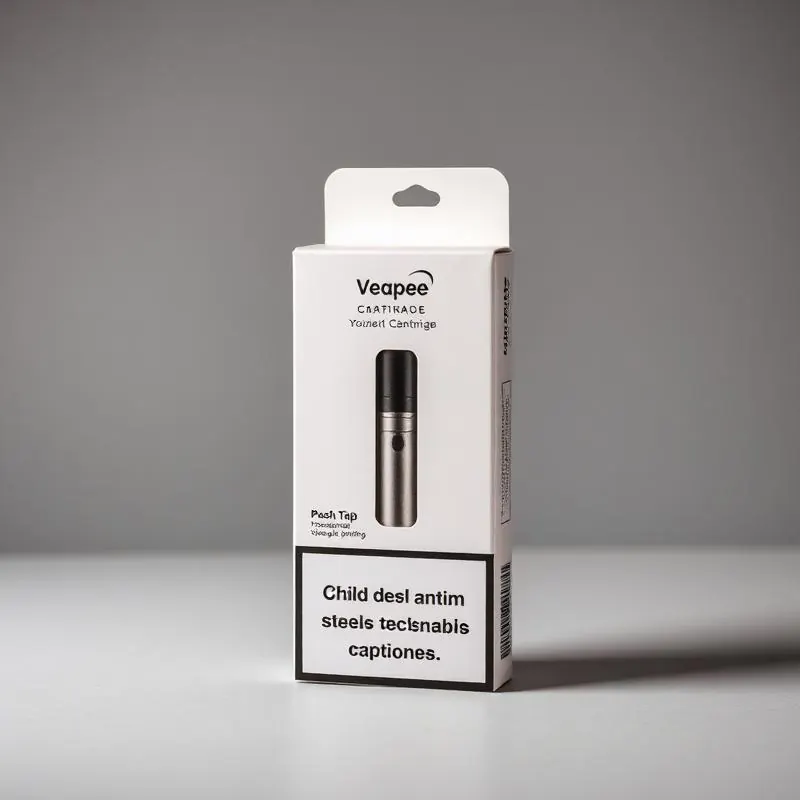
Many brands now use paper-based outer packaging with minimal plastic inner components rather than full-plastic solutions. A folding carton or rigid box with a PET window insert provides product visibility with significantly less plastic than an all-plastic clamshell. This approach balances sustainability goals with practical retail requirements.
Regulatory Landscape
The EU Packaging and Packaging Waste Regulation (PPWR) is driving accelerated migration away from single-use plastics. US state-level EPR laws in California, Maine, Oregon, and Colorado are creating similar pressure. Brands exporting to these markets should prioritize paper-based solutions or ensure plastic packaging meets recycled content mandates.
Recommended next paths
Review the related product route before requesting a quote
Related products + quote path
Match this article to a real packaging brief
Review the related product category first, then send size, quantity, artwork status, finish direction and target market notes for a project-specific quote review.