How to Choose a Cosmetic Packaging Supplier for a Brand Launch
A cosmetic packaging supplier should help a brand protect the product, present the brand clearly and prepare the right structure for retail or e-commerce. The best buying process starts before the quote.
Match packaging to product type
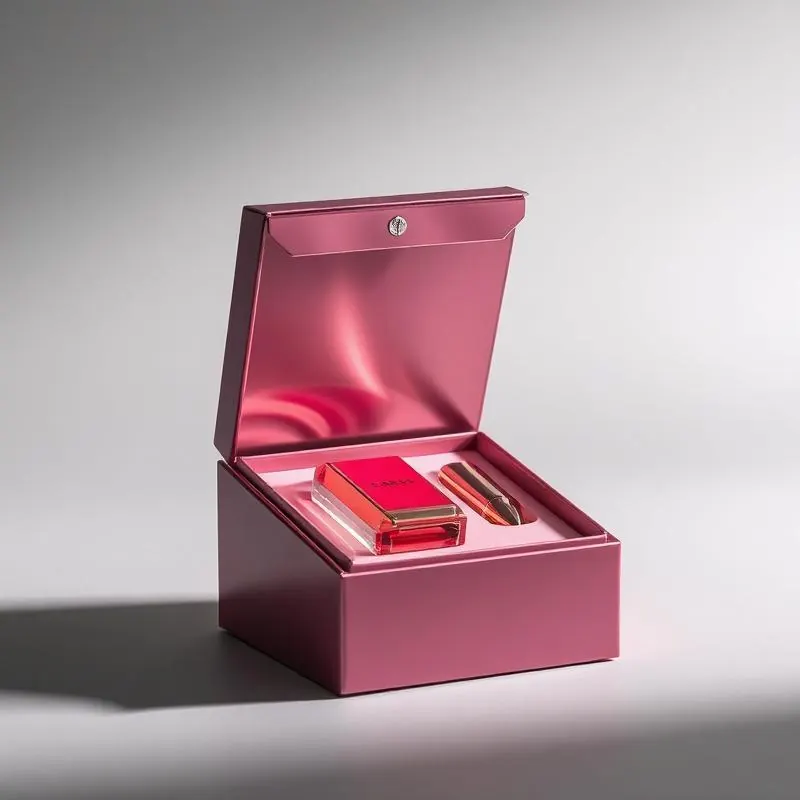
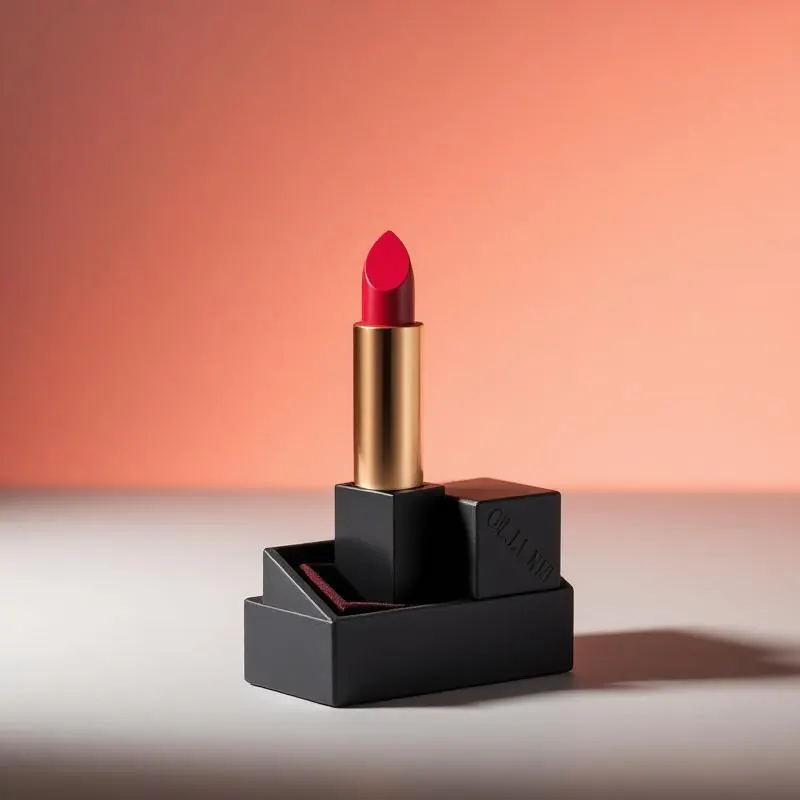
Cosmetic products are not all packed the same way. A serum bottle, cream jar, palette, lipstick, fragrance product and gift set may require different packaging structures.
Common choices include:
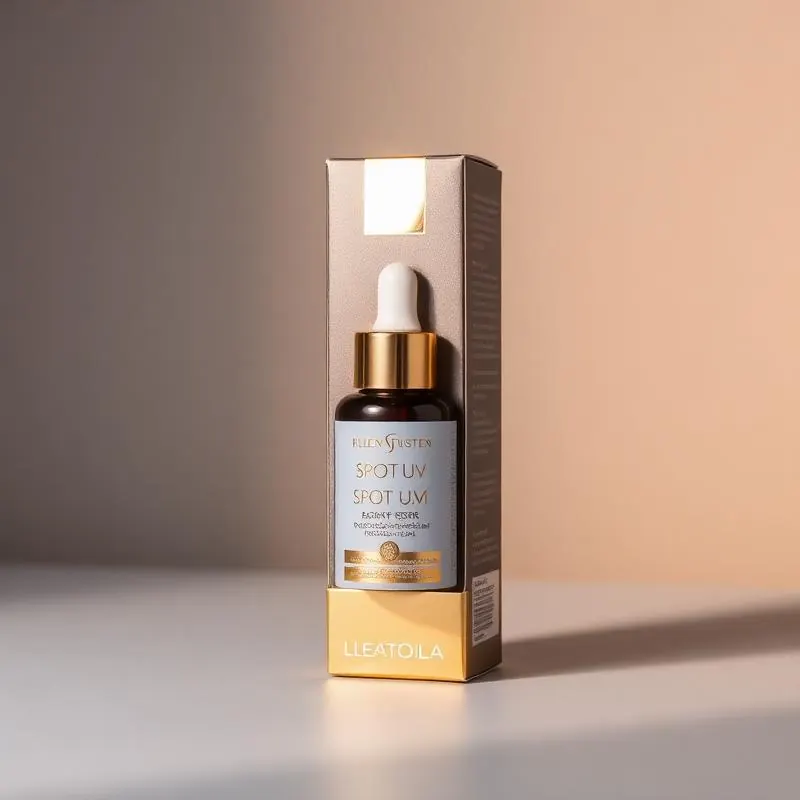
- Folding cartons for single retail products
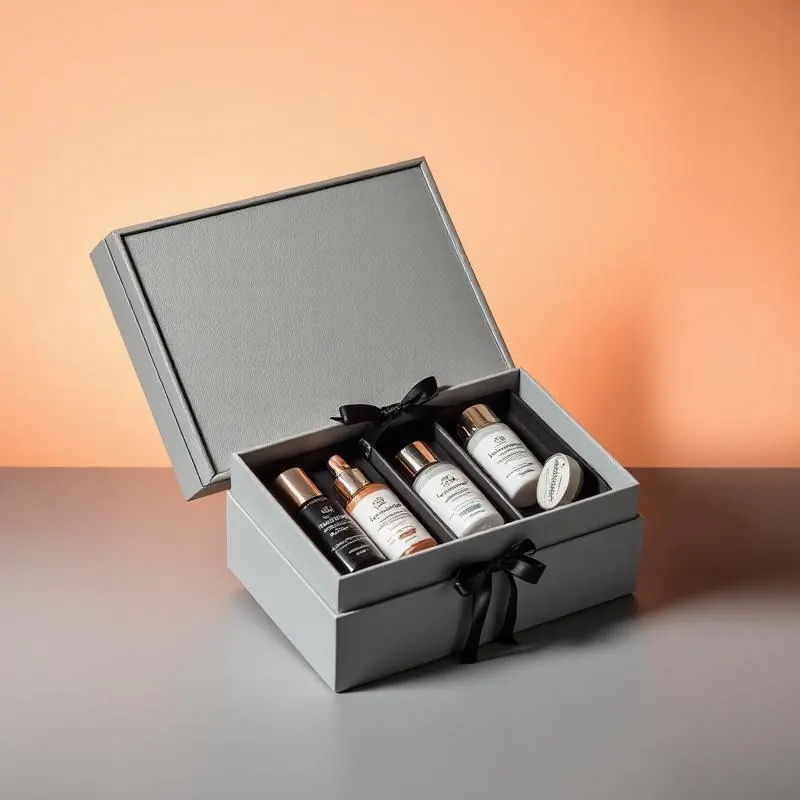
- Rigid gift boxes for premium sets
- Paper tubes for cylindrical or gift-style products
- PET/PVC clear boxes for visible product display
- Corrugated mailer boxes for e-commerce shipping
Check structure before decoration
Foil stamping, UV, embossing and lamination can improve presentation, but they should come after structure is confirmed. The packaging must first fit the product, protect it and support the intended sales channel.
Structure questions:
- Does the product need an insert?
- Is the box for shelf display or shipping?
- Does the product need a window?
- Will the packaging be opened repeatedly?
- Does the product need special labeling space?
Prepare artwork and market details
Artwork should include dieline, bleed, color information, barcode and required text. If the product has market-specific labeling or warning requirements, the brand should provide those requirements before confirmation.
Review sample carefully
During sample review, check:
- Product fit
- Opening and closing experience
- Print color
- Foil or UV registration
- Insert stability
- Packaging strength
- Barcode and text position
Supplier checklist
Ask the supplier:
- Can you review structure before sampling?
- What material options fit this brand position?
- What artwork files do you need?
- What sample details should be confirmed?
- Which details may affect cost or timing?
FAQ
Can one supplier make different cosmetic packaging types?
Some suppliers can handle multiple structures such as paper boxes, rigid gift boxes, paper tubes and clear boxes. Confirm the structure before sampling.
Should cosmetic packaging use paper or plastic?
It depends on product visibility, protection, brand positioning and target market requirements. Paper boxes, clear PET/PVC boxes and hybrid structures serve different goals.
Can MUGE PACKAGING support cosmetic packaging projects?
MUGE PACKAGING can review custom cosmetic packaging requirements based on product size, artwork, material preference and target market needs.
About MUGE PACKAGING
MUGE PACKAGING is the brand of Shenzhen Muge Design Packaging Product Co., Ltd., a source factory specializing in custom packaging solutions for B2B buyers. The company supports custom paper boxes, rigid gift boxes, paper tubes, PVC/PET clear boxes and corrugated packaging for cosmetics, gifts, e-cigarettes, consumer products, e-commerce sellers and brand owners. Buyers can share product dimensions, artwork status, material preferences, finishing requirements and target market information so the team can review the project details and suggest suitable packaging structures by project.
Prepare Cosmetic Packaging Supplier Questions
Prepare product size, artwork status, sample needs and target market information before contacting a cosmetic packaging supplier.
Buyer answer: how buyers should choose a cosmetic packaging supplier
A cosmetic packaging supplier should be evaluated by how well it connects product fit, retail presentation, material choice, surface finish, insert structure and artwork review before sampling. For skincare jars, makeup sets, fragrance items and beauty kits, the most useful supplier discussion starts with dimensions, product weight, sales channel, target market and the desired unboxing style. MUGE PACKAGING reviews cosmetic packaging projects across folding cartons, rigid gift boxes, paper tubes, PVC/PET clear boxes and corrugated mailer boxes. Buyers should avoid over-specifying decoration before confirming the structure, because box style, insert support, paperboard direction and display requirements can change the practical solution. A safe brief includes product photos, measurements, quantity direction, artwork status, finish references and any document requirements that need to be checked against the project. This gives buyers a verifiable sourcing brief without unsupported promises or fixed commercial terms.
| Decision factor | Buyer check | Why it matters |
|---|---|---|
| Product fit | Share dimensions, weight and product photos | Confirms box size, insert support and handling needs before decoration |
| Retail channel | Define ecommerce, shelf display or gift-set use | Changes structure, finish and packing priorities |
| Surface finish | Compare foil, embossing, matte, soft-touch or simple print | Keeps branding realistic for the selected material and quantity |
| Document review | List any target-market or material document needs | Prevents unsupported public claims before evidence is checked |
Recommended next paths
Review the related product route before requesting a quote
Related products + quote path
Match this article to a real packaging brief
Review the related product category first, then send size, quantity, artwork status, finish direction and target market notes for a project-specific quote review.
Frequently Asked Questions
What should a cosmetic brand check before choosing a packaging supplier?+
A cosmetic brand should check whether the supplier can review the required packaging structure, material direction, insert needs, artwork status, surface finishing and target market requirements. Buyers should also ask what information is needed for sampling and whether any special labeling or document requirements need to be reviewed by project.
How should sampling requirements be prepared?+
Sampling requirements should include product dimensions, preferred packaging type, structure reference, material direction, artwork status, finishing direction, insert needs and target market. If final artwork is not ready, draft artwork, logo files or reference photos can still help the supplier review the sample direction.
What target market information should be shared with a cosmetic packaging supplier?+
Buyers should share destination country or region, retail channel, labeling needs, material preferences and any known packaging document requirements. This does not replace legal or regulatory review, but it helps the packaging supplier identify what should be checked before confirming structure, material or printing details.