Beyond the Brown Box
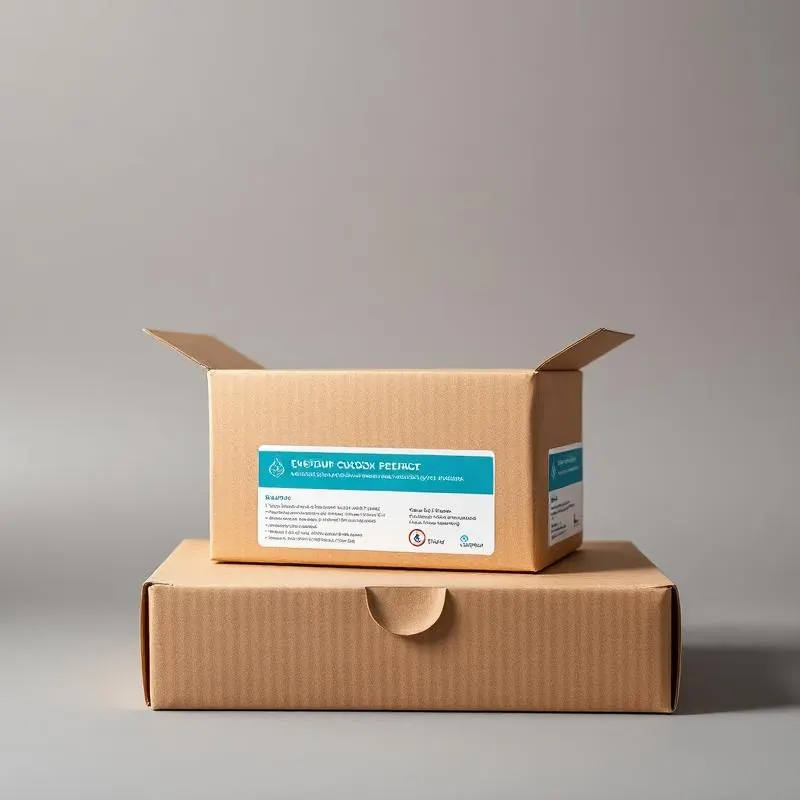
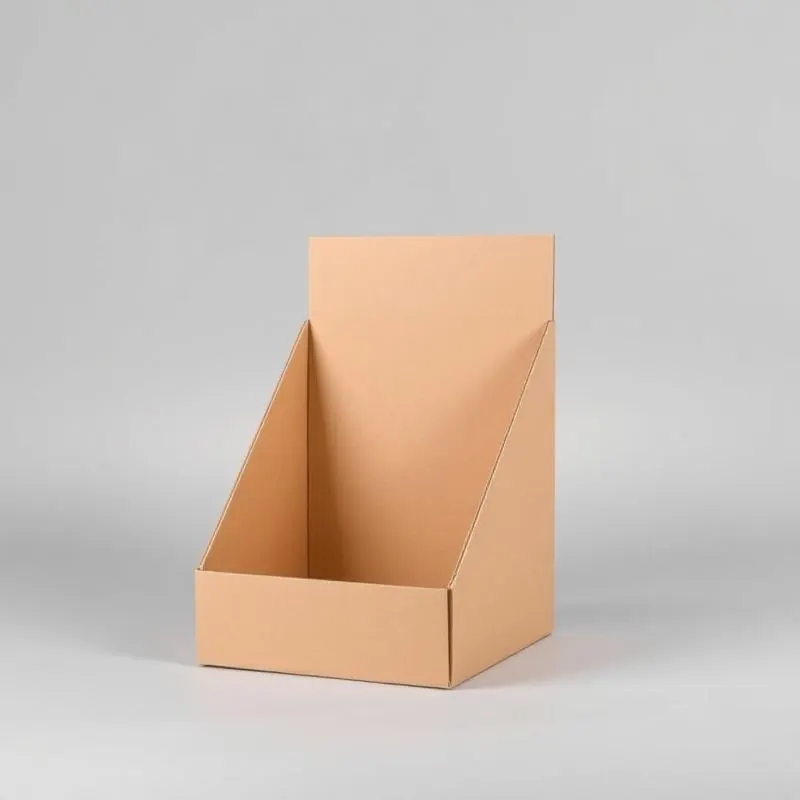
When most people think of corrugated packaging, they picture a standard brown shipping box. But modern custom corrugated packaging is a sophisticated product category that spans everything from high-graphic retail shelf displays to engineered protective e-commerce mailers.
Corrugated board is the most widely used packaging material globally, representing over 40% of all packaging by volume. Its dominance is no accident: it offers an unmatched combination of strength-to-weight ratio, cost efficiency, recyclability, and print versatility.
Corrugated Board Basics: Flute Types and When to Use Them
The secret to corrugated performance lies in the flute — the wavy inner layer sandwiched between linerboards. Each flute type serves a different purpose:
A Flute (4.7mm thickness)
The original corrugated flute. Highest cushioning and stacking strength. Best for heavy products, fragile items, and applications where compression resistance is critical. Common in industrial packaging and bulk shipping.
B Flute (2.5mm thickness)
Excellent flat crush resistance and a smoother printing surface than A flute. The workhorse of retail and die-cut packaging. Used for display trays, counter displays, and medium-weight e-commerce boxes.
C Flute (3.6mm thickness)
The most common flute type worldwide. Balances stacking strength with print quality. The default choice for standard shipping boxes, master cartons, and general e-commerce packaging.
E Flute (1.2mm thickness)
Thin, lightweight, and exceptionally smooth. Replaces folding carton board in applications that need the strength of corrugated with the print quality of paperboard. Ideal for cosmetic gift sets, electronics packaging, and premium retail boxes.
F Flute and Micro-Flute (0.8mm or thinner)
The thinnest standard flute. Competing directly with solid fiberboard and heavy paperboard. Used for luxury rigid-box alternatives, high-end retail packaging, and point-of-purchase displays where every millimeter of thickness matters.
Printing Options for Corrugated
Flexographic (Flexo) Printing
- Direct printing on corrugated board
- Cost-effective for 1-3 color designs
- Best for shipping boxes, bulk packaging, and simple branding
- Lower setup costs, faster production
Lithographic (Litho) Lamination
- High-resolution offset printing on paper that is then laminated to corrugated
- Photorealistic image quality
- Ideal for retail packaging, shelf displays, and premium e-commerce boxes
- Higher setup costs, longer lead time, but superior graphic results
Digital Printing
- No plate costs; ideal for short runs and variable data
- Growing quality parity with litho
- Perfect for limited editions, regional variants, and startup test batches
Structural Design: Engineering the Box
Custom corrugated packaging is as much engineering as it is design. Key structural considerations include:
- Box Style: Regular slotted container (RSC), half-slotted container (HSC), die-cut mailer, roll-end tuck-top, auto-lock bottom — each suited to different filling methods and product types
- Board Grade: Single-wall, double-wall, or triple-wall construction. Double-wall adds roughly 40% more stacking strength for heavy or stacked products
- Flute Direction: Vertical flutes maximize stacking strength; horizontal flutes improve side-impact protection
- Coatings: Water-resistant coatings for cold chain, moisture barriers for perishables, anti-slip coatings for palletized loads
E-Commerce: The New Frontier
The explosion of e-commerce has transformed corrugated packaging requirements. E-commerce boxes must:
- Survive single-parcel shipping — no pallet protection, individual handling
- Deliver a branded unboxing experience — the box IS the store
- Minimize dimensional weight charges — every centimeter affects shipping cost
- Be easy to open and return — friction-free customer experience
Right-sized custom corrugated mailers that eliminate void fill while protecting the product are the fastest-growing segment in this category.
Sustainability: The Circular Economy Advantage
Corrugated packaging is inherently sustainable:
- Made from 70-100% recycled content (varies by board grade and region)
- Recyclable in virtually every municipal waste stream globally
- Biodegradable and compostable
- FSC-certified virgin fiber options available for brands requiring chain-of-custody documentation
The corrugated industry operates one of the most successful circular economies in manufacturing, with recovery rates exceeding 90% in most developed markets.
Cost Drivers and Optimization
The cost of custom corrugated packaging is driven by:
- Board grade and construction: Single-wall is cheapest; triple-wall is most expensive
- Print complexity: Flexo with 1-2 colors is most economical; litho lamination is premium
- Order quantity: Corrugated has significant economies of scale. MOQs typically start at 500-1,000 units but unit costs drop substantially at 5,000+
- Tooling: Die-cutting requires a cutting die (one-time cost, reusable across orders)
- Special coatings and treatments: Water-resistant, anti-static, and other functional coatings add cost
Key Takeaways
- Choose flute type based on product weight and desired print quality
- E flute and micro-flute bridge the gap between corrugated and paperboard
- E-commerce packaging must balance protection, branding, and shipping cost
- Corrugated is the most recyclable packaging format with 90%+ recovery rates
- Tooling costs amortize quickly over repeat orders — plan for multiple production runs
Looking for custom packaging for your brand?