Rigid Box vs Kraft Paper Box for Luxury Gift Packaging: A Comprehensive Comparison
When it comes to luxury gift packaging, the box you choose is more than just a container—it's an extension of your brand identity and the first tactile impression your customers receive. For gift shops, cosmetics brands, and premium retailers, selecting between rigid boxes and kraft paper boxes can significantly impact perceived value, customer experience, and bottom-line profitability.
This comprehensive comparison cuts through the marketing noise to deliver actionable insights for packaging buyers, brand managers, and designers. Whether you're packaging artisanal chocolates, premium skincare sets, or high-end accessories, understanding these two dominant packaging categories will help you make decisions that align with your brand positioning and business objectives.
Quick Comparison: Rigid Box vs Kraft Paper Box
| Factor | Rigid Box | Kraft Paper Box | |------------|---------------|---------------------| | Durability | Exceptional (rigid construction, maintains shape) | Good (dependent on GSM and construction) | | Perceived Value | High-end, premium feel | Natural, artisanal aesthetic | | Customization | Extensive (embossing, foil stamping, velvet inserts) | Versatile (printing, embossing, window cuts) | | Cost per Unit | $3–$15+ (higher) | $0.50–$4 (lower) | | Minimum Order Quantity | 500–2,000 units typical | 100–1,000 units typical | | Sustainability | Limited recyclability (mixed materials) | Highly recyclable, often from recycled sources | | Protection Level | Superior for fragile/premium items | Adequate for standard products | | Opening Experience | Unboxing event-worthy, hinged or magnetic closure | Functional, may lack ceremonial feel | | Weight | Heavier, adds to shipping costs | Lightweight, cost-effective shipping | | Shelf Presence | Commanding, stackable display | Attractive but lower visual impact |
Understanding Rigid Boxes: Structure and Characteristics
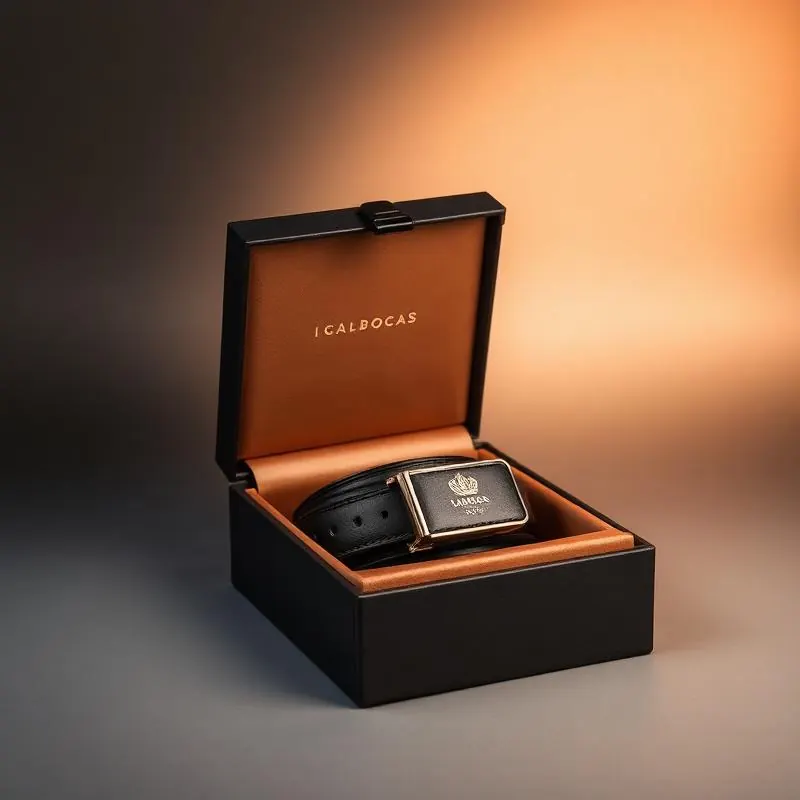
Rigid boxes—also known as set-up boxes or luxury boxes—represent the gold standard in premium packaging. These boxes are constructed from rigid paperboard that is typically 2–3mm thick, providing structural integrity that doesn't flex or compress under normal handling conditions.
The construction involves four separate panels that are assembled around the product, then wrapped with decorative paper, fabric, or leather. This manufacturing process allows for exceptional finishing options that are difficult or impossible to achieve with other box styles.
Premium Finishing Possibilities
Rigid boxes offer unparalleled finishing capabilities that elevate them above other packaging options:
- Soft-touch lamination creates a velvet-like surface that feels luxurious to the touch
- Foil stamping in gold, silver, holographic, or custom colors adds metallic brilliance
- Embossing and debossing create dimensional textures that catch light and touch
- Magnetic closures provide satisfying, secure opening experiences
- Fabric or leather wrapping adds tactile and visual sophistication
- Custom foam or velvet inserts cradle products with precision
These finishing options transform rigid boxes into keepsake containers that customers often retain and reuse—extending brand visibility long after the initial purchase.
When Brands Choose Rigid Boxes
Rigid boxes are the preferred choice when:
- Brand positioning demands a "luxury experience" narrative
- The product inside requires superior protection (glass, electronics, fragile items)
- Unboxing videos and social media sharing are marketing priorities
- The purchase occasion is significant (wedding gifts, milestone celebrations, corporate gifts)
- Products will be displayed in high-end retail environments
The Trade-offs to Consider
Despite their premium appeal, rigid boxes present certain challenges:
- Higher per-unit cost can strain margins on lower-priced items
- Larger minimum order quantities may not suit small or seasonal businesses
- Environmental concerns arise from mixed-material construction that complicates recycling
- Shipping weight increases logistics costs, especially for direct-to-consumer brands
Understanding Kraft Paper Boxes: Structure and Characteristics
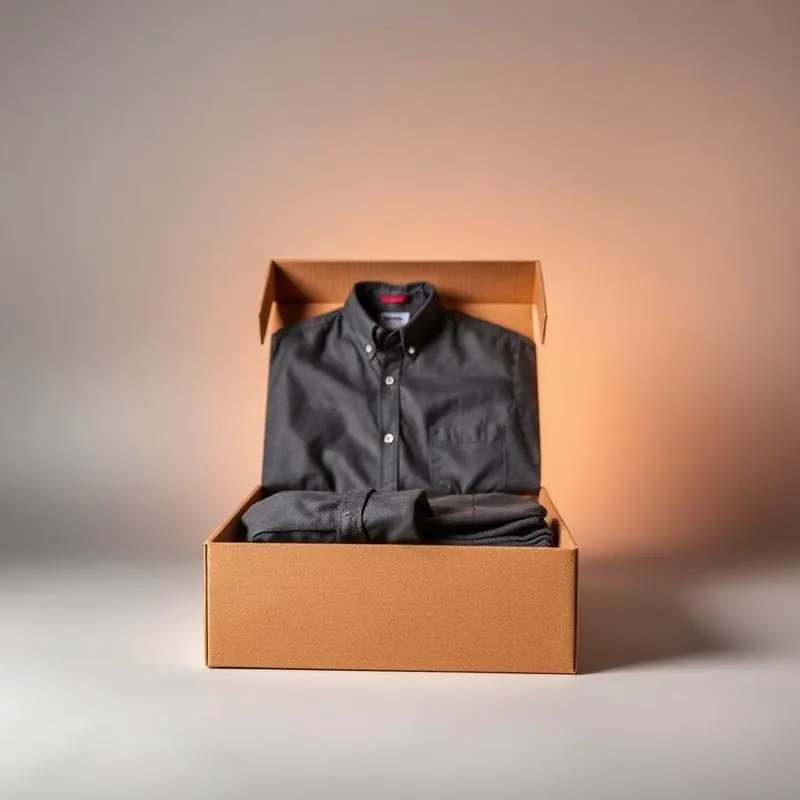
Kraft paper boxes are constructed from kraft paperboard, derived from the German word "kraft," meaning strength. This packaging style has experienced a remarkable renaissance as sustainability-conscious consumers and brands seek alternatives to traditional luxury packaging.
Modern kraft boxes are far from the plain brown shipping boxes of the past. Advanced printing technologies and finishing techniques have transformed kraft paper into a sophisticated packaging medium that balances natural aesthetics with functional excellence.
The Sustainability Advantage
Kraft paper boxes excel in environmental performance:
- High recyclability due to single-material construction (paperboard + printing)
- Often manufactured from recycled content (30-100% post-consumer waste)
- Biodegradable under proper conditions within 2-5 months
- Lower carbon footprint in production and transportation
- 符合法规 for extended producer responsibility (EPR) compliance in EU markets
Modern Kraft Box Capabilities
Today's kraft boxes support impressive customization options:
- Full-color printing including photographic quality graphics
- CMYK + Pantone color matching for brand consistency
- Spot UV coating for selective highlighting
- Embossing and foil stamping (with appropriate paper weights)
- Window cuts in various shapes for product visibility
- Die-cut handles and closures for functionality
- Textured coatings that simulate premium paper finishes
The Natural Aesthetic Appeal
Kraft boxes offer a distinctive visual language that resonates with specific market segments:
- Artisanal authenticity appeals to handmade, organic, and craft product brands
- Earth-conscious positioning communicates sustainability values
- Organic warmth creates approachable, friendly brand impressions
- Scandinavian design influence aligns with minimalist aesthetics
- Vintage/bohemian appeal suits independent boutique brands
Rigid Box vs Kraft Paper Box: Detailed Analysis by Use Case
High-End Cosmetics and Skincare
Winner: Rigid Box for ultra-premium; Kraft for accessible luxury
Ultra-luxury cosmetics brands (think Chanel, La Mer, Byredo) overwhelmingly choose rigid boxes because the unboxing experience is integral to brand perception. The weight, the magnetic closure, the satin inserts—all communicate that the contents are worth significant investment.
However, clean beauty brands like Drunk Elephant and supplement companies like Rootine increasingly opt for kraft boxes because their brand values emphasize ingredient transparency and environmental responsibility. For these brands, a kraft box with soy-based inks and minimal coating aligns better with customer expectations.
Artisan Food Gifts
Winner: Kraft Paper Box for most; Rigid for limited editions
Artisan chocolate makers, craft distilleries, and gourmet food brands typically favor kraft boxes for several reasons:
- Food-safe certifications are more straightforward for paper-based packaging
- Moisture barriers can be integrated without compromising recyclability
- The natural aesthetic complements handcrafted positioning
- Cost efficiency allows competitive pricing on premium but accessible gifts
Rigid boxes are reserved for limited-edition releases, corporate gift programs with larger budgets, or products requiring specific presentation scenarios.
Jewelry and Accessories
Winner: Rigid Box (overwhelmingly)
Jewelry, watches, and fashion accessories demand rigid boxes for several critical reasons:
- Security through sturdy construction prevents casual tampering
- Protection from impacts, dust, and environmental factors
- Presentation on velvet or leather-lined inserts creates the expected experience
- Storage allows customers to safely store items after unwrapping
The only exception is fashion-forward or minimalist jewelry brands that deliberately reject traditional luxury aesthetics in favor of sustainable positioning—and even these often use rigid construction with kraft-inspired outer wrapping.
Subscription Boxes
Winner: Varies by tier; kraft for eco-focus, rigid for prestige tiers
Subscription box companies face unique considerations:
- Eco-conscious subscription boxes (artisan foods, zero-waste products, sustainable goods) consistently choose kraft boxes to maintain brand coherence
- Luxury sample boxes (perfume, high-end skincare) typically use rigid boxes for full-sized premium product presentation
- Hybrid approaches place kraft exteriors over rigid or foam interiors to balance aesthetics and values
How to Choose: A Decision Framework
Step 1: Define Your Brand Positioning
Ask yourself:
- Is your brand positioned as "ultra-premium" or "accessible luxury"?
- Do your customers expect traditional luxury cues or modern sustainability values?
- Is the unboxing experience a marketing tool for your brand?
If traditional luxury: → Rigid Box
If sustainable/modern luxury: → Kraft Box
Step 2: Evaluate Product Requirements
Consider:
- Product weight and fragility
- Shelf life and storage conditions
- Retail display requirements (stacking, hanging, refrigeration)
- Security and anti-tampering needs
Heavy/fragile/valuable products: → Rigid Box
Standard products with minimal protection needs: → Kraft Box
Step 3: Calculate Total Cost of Ownership
Beyond unit price, factor in:
- Shipping costs (weight differences can be significant at scale)
- Storage requirements (rigid boxes require more space flat, then assembly)
- Damaged goods rates (rigid boxes typically have lower damage rates)
- Brand perception impact on willingness-to-pay
Step 4: Assess Sustainability Requirements
For brands targeting:
- EU markets with strict packaging regulations → Kraft Box advantages
- Eco-certifications (B Corp, Certified B Corporation) → Kraft Box simplifies compliance
- Carbon neutrality commitments → Kraft Box with recycled content preferred
- Traditional luxury positioning without sustainability narrative → Rigid Box viable
Step 5: Consider Operational Constraints
Evaluate:
- Minimum order quantities that fit your inventory management
- Lead times for production and shipping
- Assembly labor requirements (rigid boxes often require skilled assembly)
- Warehouse and fulfillment center capabilities
Common Mistakes to Avoid
Mistake 1: Choosing Based on Price Alone
Many brands default to kraft boxes to reduce costs, then struggle when customers perceive the packaging as "cheap" despite the quality of the product inside. Conversely, overspending on rigid boxes for products that don't justify the investment creates margin pressure without marketing benefit.
Solution: Conduct customer research or A/B test both options if budget allows.
Mistake 2: Ignoring End-of-Life Considerations
Rigid boxes with mixed materials (paper + fabric + foam + magnetic closures) present significant recycling challenges. Brands committed to sustainability messaging that use difficult-to-recycle rigid boxes may face customer backlash or fail to meet regulatory requirements.
Solution: If choosing rigid boxes, explore recyclable alternatives (paper-based closures, water-based adhesives) or be transparent about the trade-offs.
Mistake 3: Mismatching Packaging to Product
A delicate artisan candle in a flimsy kraft box creates disappointment. A budget-friendly skincare set in an elaborate rigid box creates unrealistic expectations. The packaging must align with the product's actual positioning.
Solution: Audit your current packaging against competitor benchmarks and customer expectations.
Mistake 4: Underestimating MOQ Challenges
Rigid boxes typically require 500–2,000 unit minimums, which can trap small brands with excess inventory or force premature commitment to designs that haven't been market-tested.
Solution: For new products, consider lower-MOQ kraft options first, reserving rigid boxes for established bestsellers.
Frequently Asked Questions
Which box type provides better protection for fragile products?
Rigid boxes provide superior protection for fragile items due to their rigid construction and custom inserts. The 2–3mm thick paperboard resists crushing, while foam, velvet, or cardboard partitions can be engineered to cradle specific products precisely. For glassware, ceramics, or valuable items, rigid boxes are the clear choice. Kraft boxes offer adequate protection for standard products but may compress under heavy stacking or rough handling.
Are kraft paper boxes considered "luxury" packaging?
Yes, with important qualifications. Kraft boxes can absolutely convey luxury when executed thoughtfully—using premium paper weights (400gsm+), sophisticated printing, and refined finishing techniques. The "luxury" perception depends more on design quality and brand context than box construction type. Many successful premium brands (especially in clean beauty, artisan food, and sustainable goods) use kraft boxes as their primary luxury packaging because the natural aesthetic aligns with their brand values.
How much can I save by choosing kraft boxes over rigid boxes?
Cost savings vary significantly based on specifications, quantities, and regions, but general benchmarks indicate:
- Unit cost: Kraft boxes typically cost 40–70% less per unit than comparable rigid boxes
- Shipping: Kraft boxes are 60–80% lighter, reducing freight costs substantially at scale
- Total savings: For a typical gift set, switching from rigid to kraft can reduce total packaging cost from $8–12 per unit to $2–5 per unit
For brands shipping thousands of units monthly, this difference significantly impacts profitability.
Can kraft boxes be fully recycled?
Yes, properly specified kraft boxes are among the most recyclable packaging options available. Look for:
- Single-material construction (paperboard with water-based inks)
- Minimal or no lamination (or recyclable aqueous coatings)
- Paper-based closures instead of plastic
- No mixed materials (avoid foam inserts, plastic windows, or metallic foils that can't be separated)
When all components are paper-based, kraft boxes can be recycled through standard paper recycling streams. Always verify local recycling guidelines, as capabilities vary by municipality.
What is the typical production lead time for each box type?
Rigid boxes: 4–8 weeks for standard orders, 8–12+ weeks for complex custom designs with specialized finishes
Kraft boxes: 2–4 weeks for standard specifications, 4–6 weeks for custom printing and finishing
Both timelines can be extended during peak seasons (Q4 for holiday products) or if shipping from overseas manufacturers. Brands should plan 3–4 months ahead for new luxury packaging launches to account for design, sampling, production, and shipping.
Conclusion: Making the Right Choice for Your Brand
The rigid box vs. kraft paper box decision ultimately depends on understanding your brand's unique position in the market. Neither choice is universally superior—the right answer aligns packaging with product positioning, customer expectations, and business constraints.
Choose Rigid Boxes when:
- Premium positioning demands the highest perceived value
- Product protection requirements are paramount
- Unboxing experience is central to your marketing
- Budget accommodates higher per-unit costs
- Sustainability messaging isn't a primary brand pillar
Choose Kraft Boxes when:
- Sustainability credentials are essential to your brand identity
- You need cost-effective packaging for accessible luxury positioning
- Production volumes are lower or more variable
- Regulatory compliance requires recyclable packaging
- Your brand aesthetic aligns with natural, artisanal, or modern eco-luxury
For many brands, a hybrid approach makes the most strategic sense—using rigid boxes for hero products and flagship items while deploying kraft boxes for entry-level offerings, gift sets, or sustainability-focused lines.
Ready to explore your packaging options? MUGE PACKAGING offers both rigid box and kraft paper box solutions with 20 years of export experience serving North American, European, and Australian markets. Contact our team for custom quotes, samples, or consultation on finding the perfect packaging solution for your luxury gift brand.
This comparison guide is regularly updated to reflect current industry trends, pricing benchmarks, and manufacturing capabilities. Last updated: 2025.
Looking for custom packaging for your brand?