Retail vs E-commerce Packaging: Critical Differences for Brands
Why Channel Matters
The same product often requires different packaging for retail vs e-commerce channels:
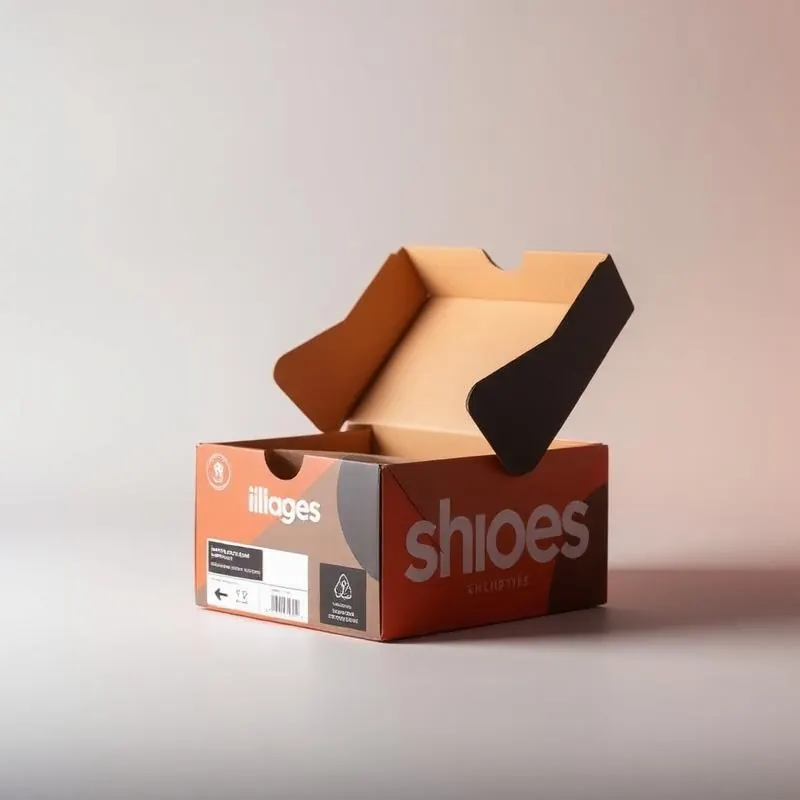
- Retail: Shelf presence, shelf talkers, hang tabs, barcode visibility
- E-commerce: Shipping survival, unboxing experience, customer surprise
Getting this wrong means damaged products, poor reviews, and returns.
Retail Packaging Requirements
Shelf Presence Factors
| Factor | Requirement | Impact | |--------|-------------|--------| | Shelf positioning | Above/below eye level changes design | Lower shelf = bolder design | | Neighboring products | Must stand out from competition | Color and shape differentiation | | Lighting | Fluorescent lighting washes out colors | Test under retail lighting | | Pack size | Standardized shelf footprints | Size constraints | | Barcode placement | Must be scannable without removing | Back or side placement |
Retail-Specific Features
| Feature | Why It Matters | |---------|---------------| | Hang tabs | Peg hook display at eye level | | Shelf standers | Counter display options | | PDQ dividers | Quick display for retailers | | Barcode visibility | Easy scanning at checkout | | Dimension consistency | Standard retail footprints |
Retail Packaging Constraints
| Constraint | Challenge | |-----------|----------| | Limited display space | Must convey brand quickly | | No instruction room | Limited copy space | | Return policy friction | Customer hasn't tested product | | Retailer requirements | May need specific retailer compliance |
E-commerce Packaging Requirements
Shipping Survival Factors
| Factor | Requirement | Impact | |--------|-------------|--------| | Drop test | 3-foot drop on each face | Structural integrity | | Vibration | Truck and plane vibration | Secure closure | | Compression | Stacking in warehouse | Board thickness | | Humidity | Climate-controlled storage | Moisture resistance | | Temperature | Cold chain possible | Material selection |
E-commerce Specific Features
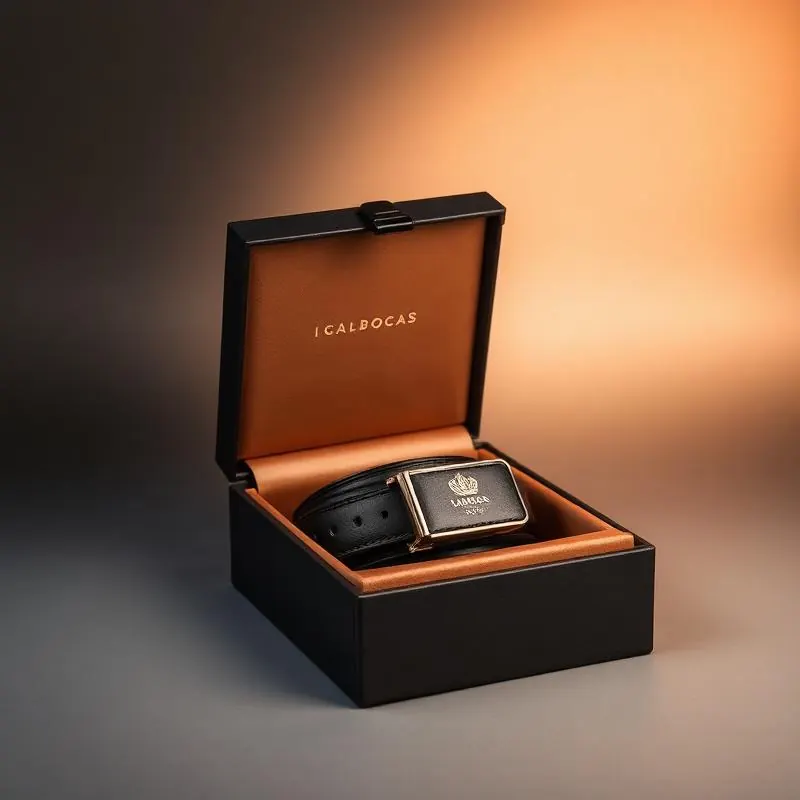
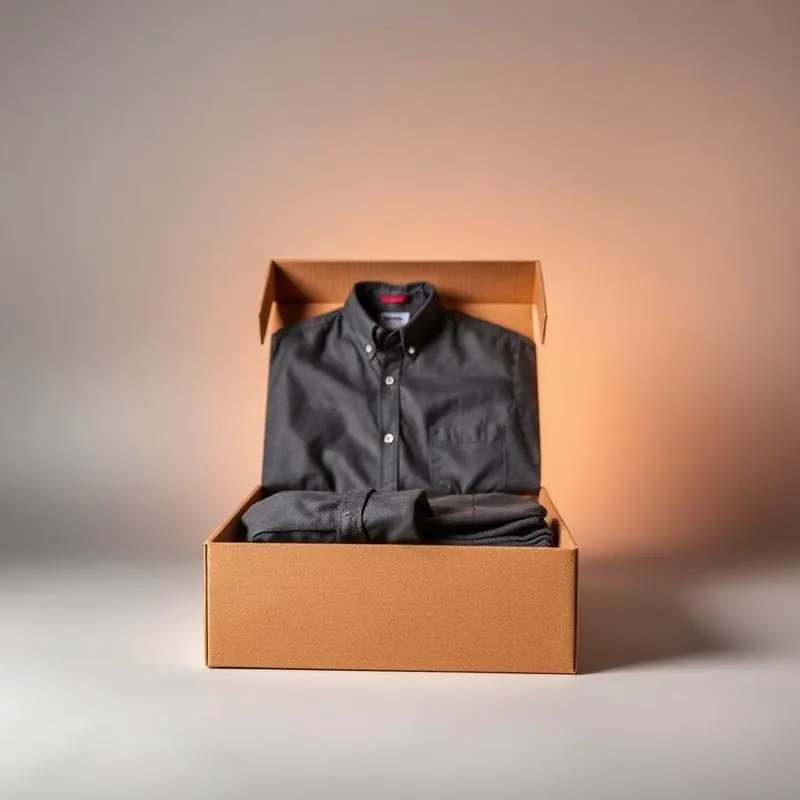
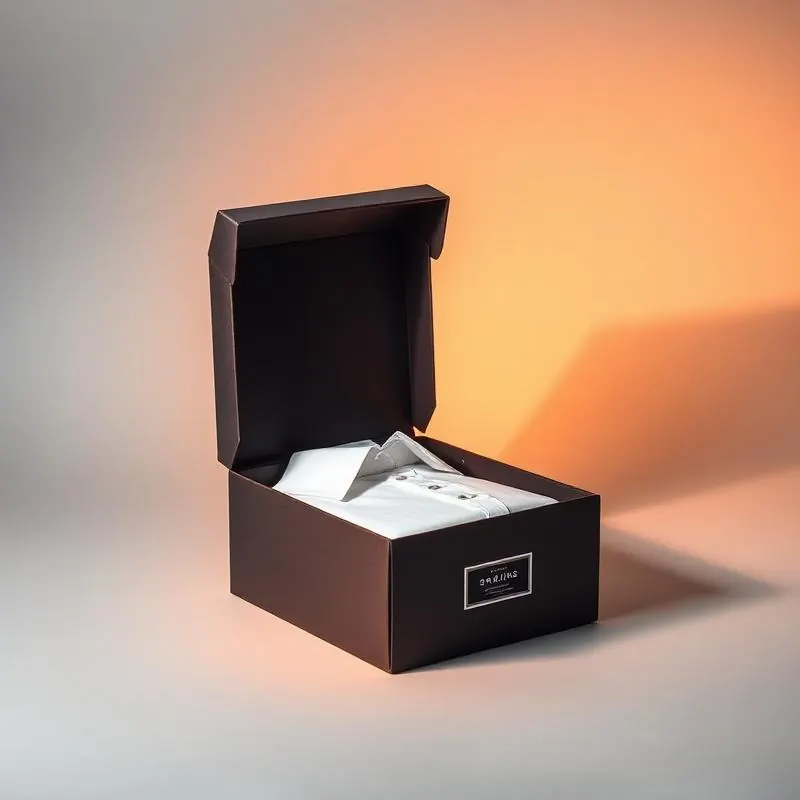
| Feature | Why It Matters | |---------|---------------| | Unboxing experience | Social media shareability | Premium feel, surprise | | Interior protection | Product-specific inserts | Product safety | | Easy open | Customer convenience | Resealable, perforations | | Branding exposure | Only customer sees packaging | Internal printing, tissue | | Sustainability | Customer values eco-friendly | Recycled materials, minimal |
E-commerce Packaging Constraints
| Constraint | Challenge | |-----------|----------| | Carrier size restrictions | Dimensional weight pricing | Optimize dimensions | | No physical product test | Customer cannot touch before buy | Quality signals through packaging | | Returns friction | Easy to initiate | Packaging must survive return shipping |
Cost Comparison by Channel
| Cost Factor | Retail | E-commerce | |-------------|--------|------------| | Packaging cost per unit | $0.30-0.80 | $0.50-1.50 | | Shipping cost | Standard | Dimensional weight | | Insert/void fill | None | $0.10-0.50 | | Branding investment | High (shelf presence) | Medium-High (unboxing) | | QC standard | Standard | Higher (shipping survival) |
Dual-Channel Strategy
Option 1: Channel-Specific Packaging
| Strategy | Pros | Cons | |----------|------|------| | Different packaging per channel | Optimized for each | Higher complexity, MOQ split | | Best for | Large brands, distinct product lines | |
Option 2: Universal Packaging
| Strategy | Pros | Cons | |----------|------|------| | Same packaging works for both | Simpler, lower MOQ | Compromised for both channels | | Best for | Growing brands, limited resources | |
Option 3: Nested Packaging
| Strategy | Pros | Cons | |----------|------|------| | Retail-ready out, e-commerce protected in | Flexible | More complex assembly | | Best for | Subscription brands, multi-channel | |
Optimization Strategies
For Retail Brands Going E-commerce
- Add interior protection - Foam, bubble, paper wraps
- Include reseal instructions - For returns
- Design for dimensional weight - Optimize box size
- Add unboxing elements - Tissue, stickers, thank you cards
- Test shipping survival - Drop test, compression test
For E-commerce Brands Going Retail
- Ensure barcode visibility - Relocate if needed
- Add hang tabs - For peg hook display
- Increase shelf presence - More vibrant design
- Standardize dimensions - Retail footprint requirements
- Include retail-compliant labeling - Retailer-specific if needed
Examples of Good Channel Packaging
Retail Success: Glossier
- Minimal, Instagram-worthy design
- Clean aesthetic stands out on shelf
- Simple rectangular boxes
- Strong brand recognition
E-commerce Success: Dollar Shave Club
- Compact for shipping efficiency
- Distinctive branded experience
- Easy to open, use, and return
- Humorous unboxing experience
Dual-Channel Success: Away
- Clean, minimal design
- Works for retail (if they retail) and e-commerce
- Premium unboxing with interior printing
- Durable for shipping
Testing Requirements
| Test | Retail | E-commerce | |------|--------|------------| | Shelf presence study | Essential | Not required | | Drop test | Optional | Essential | | Vibration test | Optional | Recommended | | Compression test | Optional | Essential | | Barcode scannability | Essential | Essential | | Unboxing test | Optional | Recommended |
Looking for custom packaging for your brand?
Frequently Asked Questions
What sustainable packaging options do you offer?+
Available sustainable options may include recyclable paperboard, kraft paper, recycled-content substrates and lower-plastic finishing choices, depending on the packaging structure and project goal. Final material availability and document support should be confirmed by project.
What is your typical lead time?+
Lead time depends on packaging structure, material direction, printing, finishing, insert requirements, quantity, sample approval and factory schedule. Buyers should confirm the target launch window during project review.