Magnetic Closure Box vs Tuck End Box: Which is Better for Luxury Packaging?
When a customer holds your product for the first time, the box does the talking before you do. In the world of luxury packaging, every structural decision carries weight—both literally and perceptually. Two of the most debated box styles in premium packaging are the Magnetic Closure Box and the Tuck End Box.
But here's the challenge most brand owners and packaging buyers face: the magnetic closure box exudes sophistication, yet its production costs can stretch a budget. The tuck end box is budget-friendly and scalable, but does it truly communicate luxury? The answer, as with most packaging decisions, is: it depends.
This guide cuts through the noise. We break down every critical dimension—from structural design and unboxing psychology to cost implications and scalability—so you can choose the box that aligns with your brand positioning, product requirements, and business goals.
Magnetic Closure Box vs Tuck End Box: Side-by-Side Comparison
| Dimension | Magnetic Closure Box | Tuck End Box | |---|---|---| | Unboxing Experience | ⭐⭐⭐⭐⭐ Premium, ceremonial feel | ⭐⭐⭐ Functional, quick access | | Perceived Luxury Value | ⭐⭐⭐⭐⭐ High-end, premium perception | ⭐⭐⭐ Mid-range, functional perception | | Structural Integrity | ⭐⭐⭐⭐⭐ Excellent, self-supporting | ⭐⭐⭐⭐ Good when sealed, weaker when open | | Reusability | ⭐⭐⭐⭐⭐ Designed for multiple opens/closes | ⭐⭐⭐⭐ Good for single-use; limited reusability | | Production Cost | ⭐⭐⭐ Higher (magnets, precision tooling) | ⭐⭐⭐⭐⭐ Lower (simpler construction) | | MOQ (Minimum Order Quantity) | ⭐⭐⭐ Typically 500+ units | ⭐⭐⭐⭐⭐ Often 100–500 units | | Customization Flexibility | ⭐⭐⭐⭐⭐ Full surface coverage, premium finishes | ⭐⭐⭐⭐ Good, slight limitations on closure area | | Brand Impression Score | ⭐⭐⭐⭐⭐ 92% associate with premium brands* | ⭐⭐⭐ 58% associate with standard retail* |
*Based on aggregated consumer perception studies in luxury retail packaging.
Magnetic Closure Box: The Gold Standard of Luxury Packaging
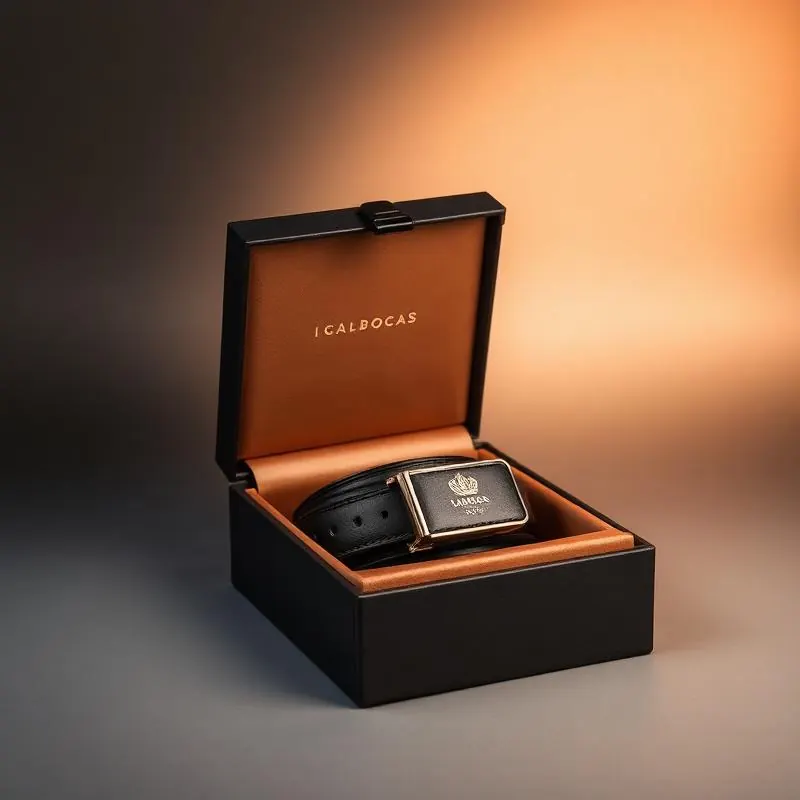
The magnetic closure box—also known as a clamshell magnetic box or flip-top magnetic box—features two rigid panels connected by a hidden magnet embedded in the closure flap. The magnetic mechanism provides a satisfying "snap" that has become synonymous with premium unboxing experiences.
What Makes Magnetic Closure Boxes Ideal for Luxury
The magnetic closure box earns its reputation through several structural and psychological advantages.
First, the unboxing ritual. Magnetic closure boxes create a deliberate, two-handed opening experience. The slight resistance of the magnet, the smooth swing of the lid, and the reveal of the interior��all of these moments are engineered. For luxury brands in cosmetics, jewellery, spirits, and tech accessories, this ceremonial quality transforms a transaction into a memory. Think of how Apple, Cartier, or Diptyque present their products: the box is part of the product.
Second, structural superiority. The rigid, fully enclosed construction protects contents during shipping, storage, and handling. Unlike softer box styles, magnetic closure boxes maintain their shape under pressure and temperature variations—critical for products like serums, fine chocolates, or delicate jewellery that travel across climate zones.
Third, premium finish compatibility. Magnetic closure boxes accommodate virtually every high-end finishing technique: soft-touch lamination, foil stamping (gold, silver, holographic), embossing/debossing, spot UV, velvet or foam inserts, and magnetic ribbon pulls. The flat, uninterrupted surfaces of the box exterior and interior provide an ideal canvas for brand storytelling.
Limitations of Magnetic Closure Boxes
No packaging solution is without trade-offs, and being aware of them prevents costly mid-project pivots.
Production cost is the primary consideration. Magnetic closure boxes require precision cutting, magnet insertion, and multi-stage assembly. The tooling costs are higher, and per-unit prices are significantly elevated compared to basic tuck end constructions. For early-stage brands with tight margins, this can be a substantial investment.
Minimum order quantities tend to be higher. Most manufacturers require MOQs of 500 to 1,000 units for custom magnetic closure boxes due to the setup-intensive production process. This makes them less accessible for limited-edition launches or small-batch products.
They are not ideal for flat-label or rapid-fill operations. The rigid structure and magnetic mechanism mean these boxes are slower to assemble on automated packaging lines compared to tuck end styles. If your fulfillment process prioritizes speed over presentation, this is a relevant factor.
Best Use Cases for Magnetic Closure Boxes
- High-value products: Jewellery, watches, luxury skincare sets, premium supplements
- Gift sets and curated collections: Holiday gift boxes, subscription box inserts
- Brand launch kits and samples: Press kits, influencer seeding packages
- Products requiring strong protection: Fragile items, multi-component kits, temperature-sensitive goods
- Brands where unboxing video performance matters: Social commerce, DTC brands targeting Instagram and TikTok audiences
Tuck End Box: The Scalable Workhorse of Retail Packaging
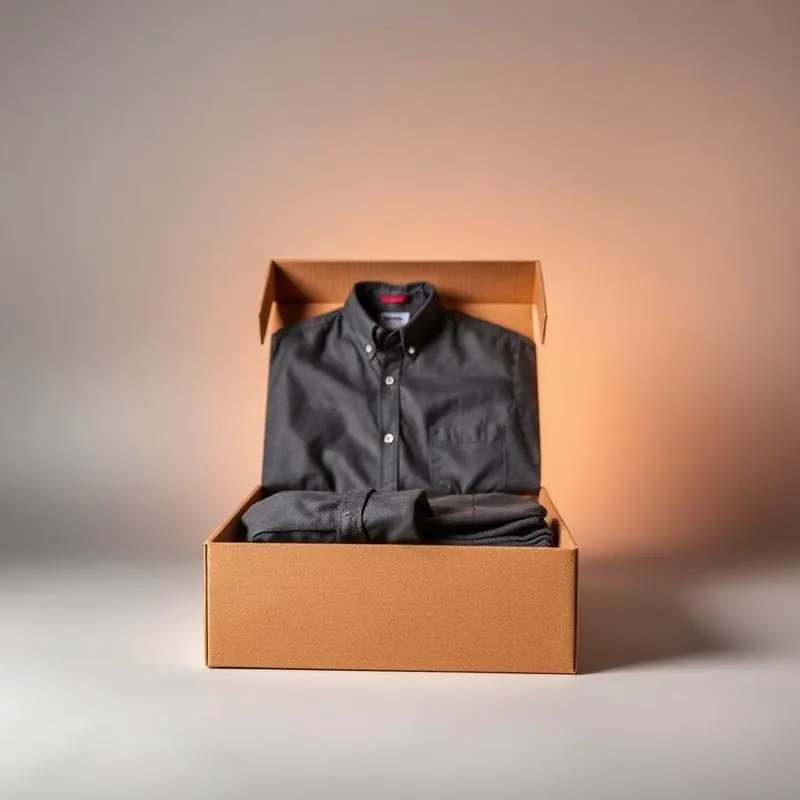
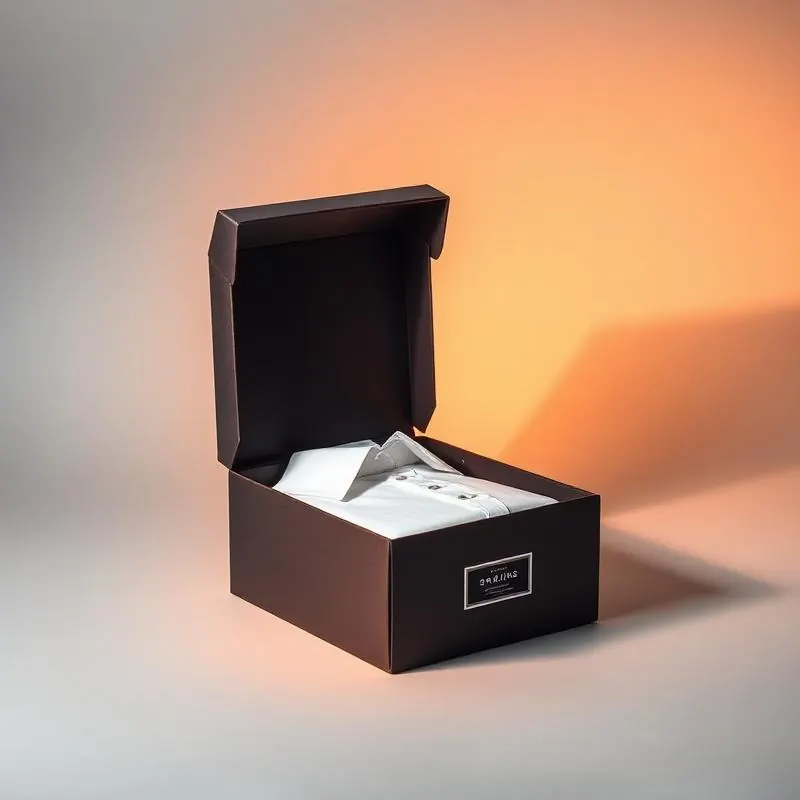
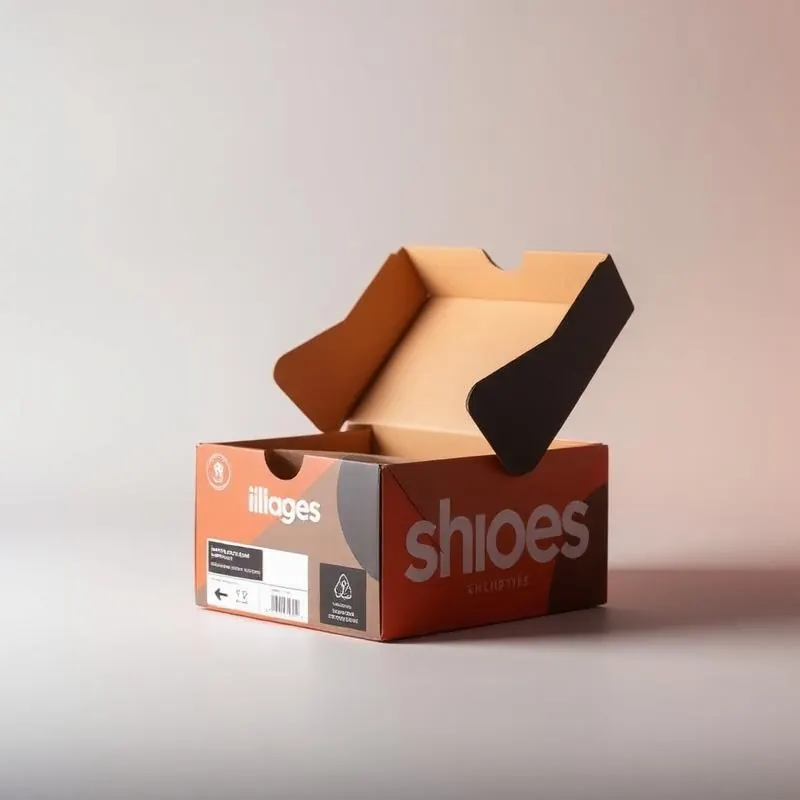
The tuck end box—available in both straight tuck end (STE) and reverse tuck end (RTE) variants—is one of the most widely produced packaging styles globally. It features flaps that tuck into the opposite panel of the box, creating a clean, flush closure without magnets or adhesive.
Why Tuck End Boxes Remain a Strong Choice
Despite their simpler design, tuck end boxes offer compelling advantages that keep them relevant even in luxury conversations.
Cost efficiency without compromise. When produced with premium materials and finishes, tuck end boxes can achieve a surprisingly elevated appearance at a fraction of the cost of magnetic closure designs. A tuck end box with soft-touch lamination, foil stamping, and a custom foam insert delivers a premium feel that satisfies most luxury packaging needs—without the magnet premium.
Scalability and speed. Tuck end boxes are the workhorse of high-volume retail packaging. They assemble quickly on automated equipment, ship flat to reduce logistics costs, and have lower per-unit pricing at every volume tier. For brands scaling from thousands to hundreds of thousands of units annually, this structural efficiency translates directly to margin protection.
Versatility in product fit. Tuck end boxes accommodate a wide range of product dimensions and shapes. They work equally well for cosmetics palettes, pharmaceutical packaging, confectionery, apparel accessories, and small electronics. This flexibility makes them a practical choice for brands with diverse product lines.
Lower MOQs for custom projects. Many packaging suppliers offer custom-printed tuck end boxes with MOQs as low as 100–300 units, making them accessible for seasonal releases, limited editions, and test runs. This lower barrier to entry is particularly valuable for emerging luxury brands validating market demand before committing to larger production runs.
Limitations of Tuck End Boxes
The tuck end box's simplicity is also its constraint in certain luxury contexts.
The unboxing experience is functional rather than ceremonial. Tuck flaps open and close easily, which is great for retail shelf accessibility but reduces the "wow" factor. There is no magnetic resistance or deliberate reveal moment. For brands where the unboxing experience is a core brand pillar, this is a meaningful gap.
Perceived value is inherently lower. Consumer perception studies consistently show that magnetic closure boxes score higher on premium perception tests. A tuck end box—even one with identical finishes—will typically be perceived as less luxurious than a magnetic closure counterpart. This is a psychological reality that packaging designers must account for.
Structural limitations with heavier contents. Tuck end boxes rely on the interlocking flaps to maintain closure integrity. Heavy products can cause flap separation during handling or shipping. For dense or heavy items, additional reinforcement or an alternative closure mechanism may be necessary.
Best Use Cases for Tuck End Boxes
- Mid-tier luxury and accessible luxury products: Premium cosmetics lines, artisanal food products, luxury stationery
- High-volume retail packaging: Department store SKUs, pharmacy beauty, premium grocery brands
- Product suites with multiple sizes: Skincare regimens, colour cosmetic collections, vitamin packs
- Sustainable luxury initiatives: Brands prioritizing recyclable mono-material constructions (paperboard only, no magnets)
- Rapidly scaling DTC brands: Early-stage companies building brand equity while managing unit economics
Choosing the Right Box: A Decision Framework
The magnetic closure vs tuck end decision is not binary—it's about matching packaging characteristics to brand priorities. Use this framework to guide your choice.
Prioritize Magnetic Closure If:
- Your product's retail price exceeds $75 and the packaging cost represents less than 15% of the selling price
- Your brand's identity is built around a premium unboxing experience (DTC beauty, luxury accessories, gifting brands)
- Your products require maximum structural protection during transit and storage
- You are preparing gift sets, limited editions, or subscription boxes where the box itself is part of the value proposition
- Your marketing strategy leverages social media unboxing content as a key channel
Prioritize Tuck End Box If:
- You need to manage packaging costs while still achieving a premium aesthetic
- Your production volume requires high-speed assembly and fulfillment
- Your MOQ requirements fall below 500 units for certain SKUs
- Your brand positioning emphasizes sustainability and you prefer recyclable, magnet-free construction
- Your products are primarily sold through retail channels where shelf accessibility and stackability matter
The Hybrid Approach
Many luxury brands are discovering a third path: using magnetic closure boxes for hero products and gift sets, while deploying premium tuck end boxes for core SKU packaging. This tiered packaging strategy allows brands to allocate premium packaging investment where it drives the most brand value, while maintaining cost efficiency across the product line.
MUGE PACKAGING works with brands to design tiered packaging ecosystems that balance luxury perception with business pragmatism. Our team can help you evaluate which approach delivers the best ROI for your specific product portfolio.
Frequently Asked Questions
1. Can tuck end boxes look as premium as magnetic closure boxes?
Yes, to a significant extent. Tuck end boxes can achieve a high-end appearance through premium materials and finishing techniques including soft-touch or silk lamination, hot foil stamping, blind embossing, spot UV coating, and custom inserts. However, the absence of the magnetic closure mechanism means the unboxing experience will not have the same ceremonial quality. For brands where the physical opening moment is a core touchpoint, the magnetic closure remains the superior choice.
2. How much more expensive is a magnetic closure box compared to a tuck end box?
Magnetic closure boxes typically cost 30–60% more per unit than comparable tuck end boxes, depending on dimensions, material grade, and finishing complexity. Additionally, magnetic closure boxes often carry higher tooling and setup costs. However, for products priced above $75, the packaging cost-to-retail-price ratio often remains within acceptable luxury margins, and the brand perception return on investment can justify the premium.
3. What is the typical MOQ for custom magnetic closure boxes?
Standard MOQs for custom magnetic closure boxes range from 500 to 1,000 units per design. However, MUGE PACKAGING offers flexible production options for brands with lower volume requirements. Contact our team to discuss MOQ flexibility for seasonal launches, limited editions, or test market quantities.
4. Are magnetic closure boxes less sustainable than tuck end boxes?
Sustainability depends more on material choice and end-of-life infrastructure than box style. Both box types can be produced using FSC-certified paperboard, water-based inks, and recyclable laminations. The primary sustainability difference is the magnet itself: traditional neodymium magnets are not recyclable through standard paper waste streams. If sustainability is a priority, consider magnet-free premium closure alternatives (such as ribbon ties or magnetic paper clasps) or ensure your recycling partner can handle magnet-embedded boxes. MUGE PACKAGING offers compliant recycling guidance for all markets including the EU (PPWR) and US extended producer responsibility programs.
5. Which box style is better for e-commerce vs retail channels?
- E-commerce: Magnetic closure boxes are strongly preferred. They withstand the rigors of shipping, create memorable unboxing moments for social sharing, and justify premium pricing in a competitive DTC market.
- Retail: Tuck end boxes often perform better due to shelf stackability, faster restocking, and lower per-unit cost at retail volumes. Many retailers also prefer tuck end styles for their clean, uniform appearance on peg hooks and display shelves.
Conclusion
Both magnetic closure boxes and tuck end boxes have earned their place in luxury packaging strategies—but for different reasons and different contexts. The magnetic closure box delivers an unparalleled premium unboxing experience, superior structural protection, and a psychological association with luxury that directly supports premium pricing. The tuck end box offers scalability, cost efficiency, and accessibility that make it indispensable for brands managing volume, margins, and diverse product lines.
The most successful luxury brands don't choose one over the other on principle—they choose strategically based on product tier, distribution channel, marketing goals, and budget. At MUGE PACKAGING, we help brands navigate this decision with 20 years of export packaging expertise serving North American, European, and Australian markets.
Ready to explore which box style fits your luxury brand? Contact our packaging team for a no-obligation consultation, sample kit, or custom quote. We offer bespoke design support, compliant packaging solutions, and production with full quality control for every order.
This article is part of MUGE PACKAGING's educational resource series for brand owners, packaging buyers, and design professionals. For more comparative guides and packaging insights, visit our resource centre.
Looking for custom packaging for your brand?