Custom Rigid Box Sourcing: The Definitive Guide
With over 5,000 monthly searches and low competition, custom rigid box is one of the highest-opportunity keywords in the custom packaging space. This guide provides the technical depth that buyers need when evaluating rigid box manufacturers.
What Makes a Rigid Box
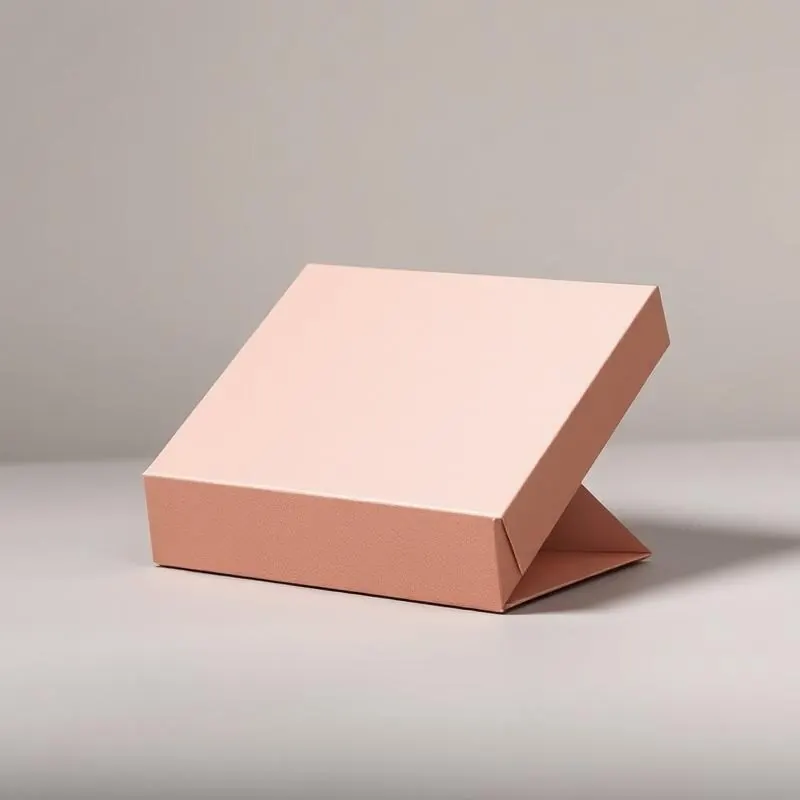
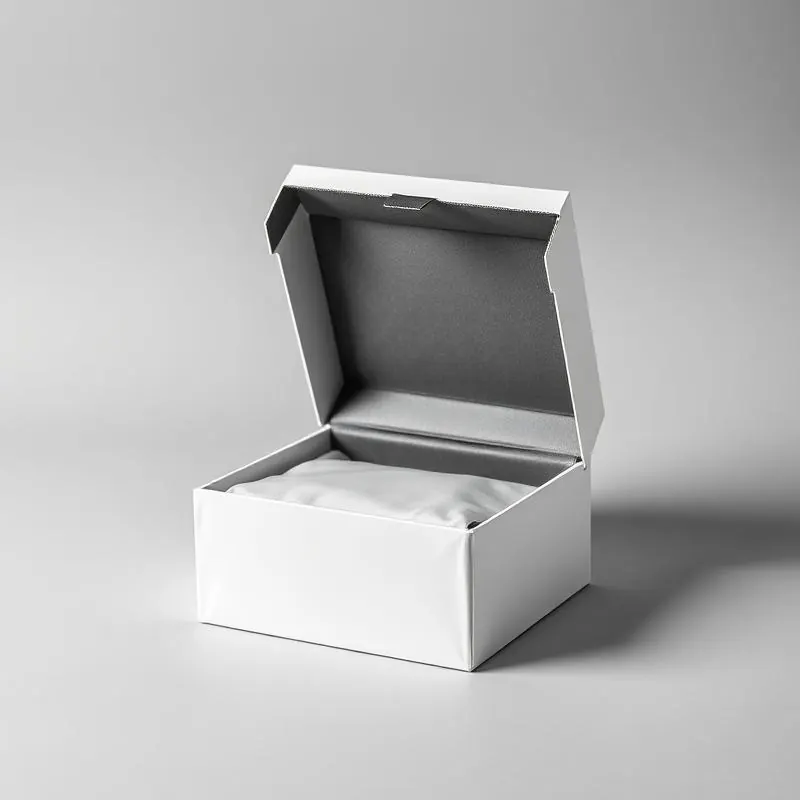
Rigid boxes are constructed by wrapping printed paper, fabric, or specialty material around a greyboard or chipboard substrate. The result is a non-collapsible box with walls typically 1.5mm to 3mm thick. Unlike folding cartons, rigid boxes are hand-assembled and ship pre-assembled, which means higher per-unit cost, higher shipping volume, higher perceived product value.
Rigid Box Cost by Quantity Tier
At 500 units: .00-8.00 per unit (entry MOQ, highest per-unit cost). At 3000 units: .50-4.00 per unit (first meaningful price break, tooling amortized). At 10,000 units: .00-3.00 per unit (best unit economics, minimum per-unit cost).
These ranges reflect a standard 4x4x2 inch box with magnetic closure. Larger formats, specialty materials, and complex finishing increase cost proportionally.
Material Specification Guide
Greyboard substrate thickness ranges from 800-3000 gsm. 800-1200 gsm suits small formats and lightweight products. 1200-2000 gsm is the standard range for most luxury packaging. 2000-3000 gsm provides maximum rigidity for large formats and heavy products.
Wrapping material options: art paper (128-200 gsm) for printed designs, specialty textured papers for unique tactile experiences, and fabric (linen, cotton, velvet) for ultra-premium applications.
Closure and Structural Options
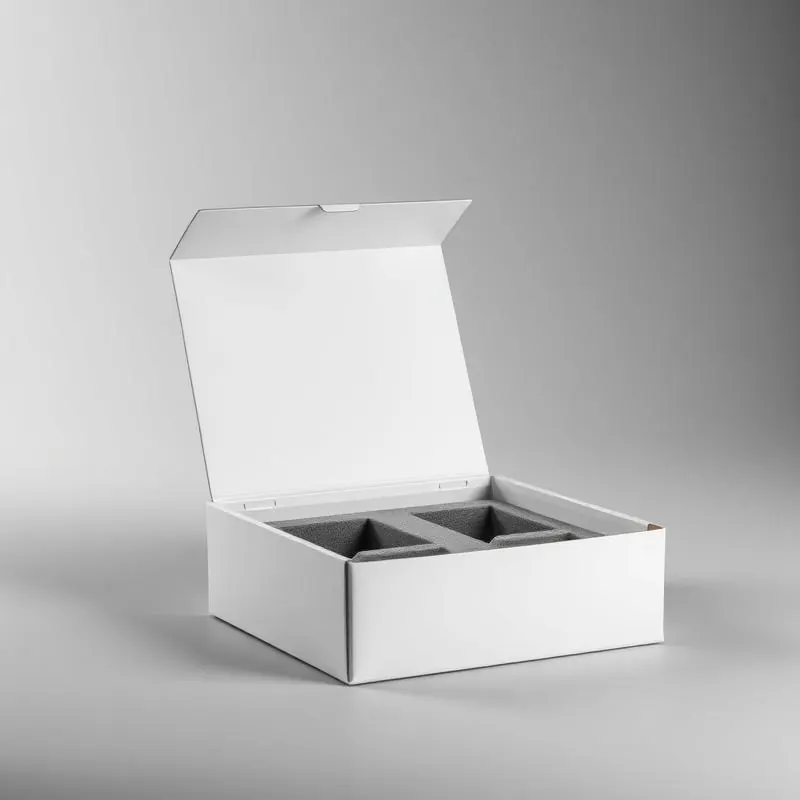
Magnetic closure: neodymium magnets embedded in lid flap and box wall. Magnet strength must be tuned to lid weight. Too weak, the lid opens accidentally. Too strong, opening becomes difficult.
Two-piece lid and base: the classic rigid box construction. Lid lifts completely off a separate base tray. Simple, elegant, versatile.
Drawer style: rigid outer sleeve with inner tray that slides out. Dramatic product reveal. Common for watches, jewelry, and high-end accessories.
Book style: opens like a hardcover book with spine and two rigid covers. Popular for limited editions, premium media kits, and multi-piece gift sets.
Quality Evaluation Checklist
Corner alignment with no visible gaps or uneven joints. Wrap quality with no bubbles, wrinkles, or lifting at edges. Magnet placement with consistent, centered alignment. Lid-to-base fit with appropriate tolerance (not too tight, not too loose). Print registration with color accuracy matching approved proofs.
Red Flags When Evaluating Manufacturers
Inability to provide certification numbers for verification. Refusal of pre-production sample orders. No export experience to your target market. Undisclosed use of sub-suppliers. Pressure for 100% upfront payment. Inconsistent pricing between quotes. Vague answers to technical specification questions.
Building Manufacturer Relationships
Start with small orders to validate quality. Build trust through consistent communication and fair negotiation. Scale volume as the relationship proves reliable. Long-term partnerships deliver better pricing, priority scheduling, and consistent quality.
Looking for custom packaging for your brand?