Custom Packaging Boxes: The Complete Business Buyer Guide
Custom packaging boxes represent the single largest packaging category for B2B buyers. Whether you are sourcing folding cartons for retail products, rigid boxes for luxury goods, or corrugated boxes for shipping, understanding the landscape saves time, money, and costly specification errors.
The Custom Box Market in 2026
The global custom packaging box market exceeds billion annually, with the Asia-Pacific region accounting for 42% of production capacity. Custom box manufacturing in China provides 40-70% cost savings versus domestic US and EU production for comparable quality levels. This economic reality drives the continued dominance of China as the primary sourcing destination for custom packaging.
Box Types: Which Format for Your Product
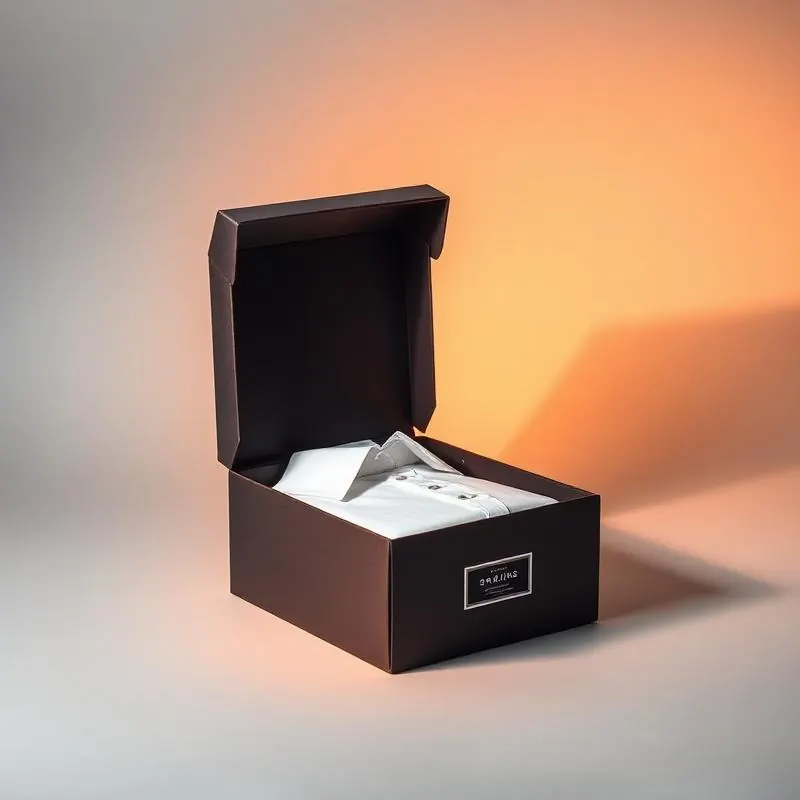
Folding Cartons: The workhorse of retail packaging. Flat-shipped, assembled at filling, cost-effective at 1000+ units. Best for cosmetics, food, pharmaceuticals, and consumer goods. Unit cost: /bin/zsh.25-0.80 at 5000 quantity.
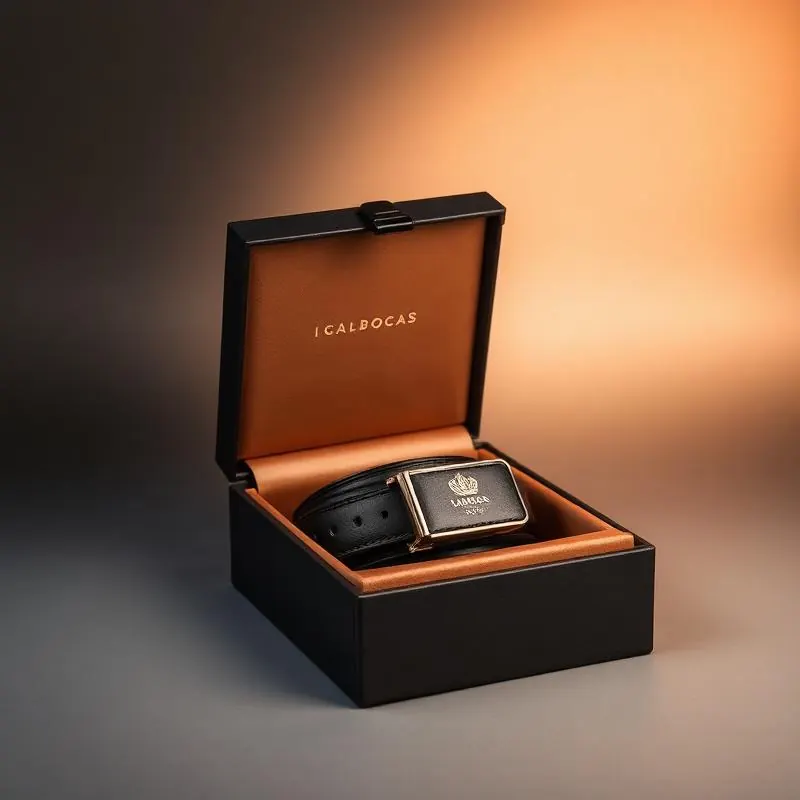
Rigid Set-Up Boxes: The premium format. Hand-assembled, non-collapsible, substantial weight and presence. Best for luxury goods, gifts, electronics, and premium cosmetics. Unit cost: .20-3.50 at 5000 quantity.
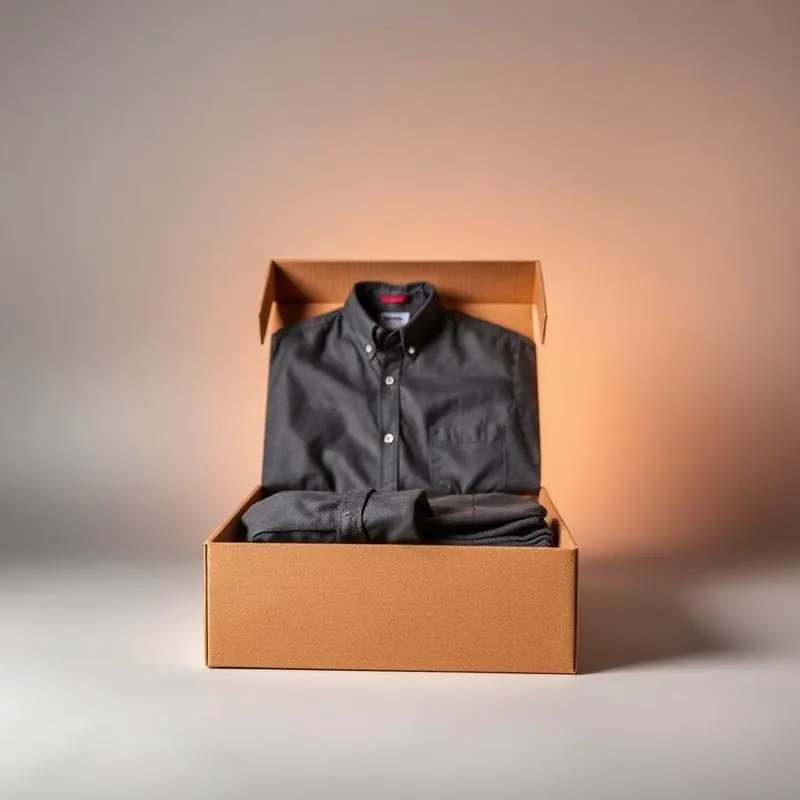
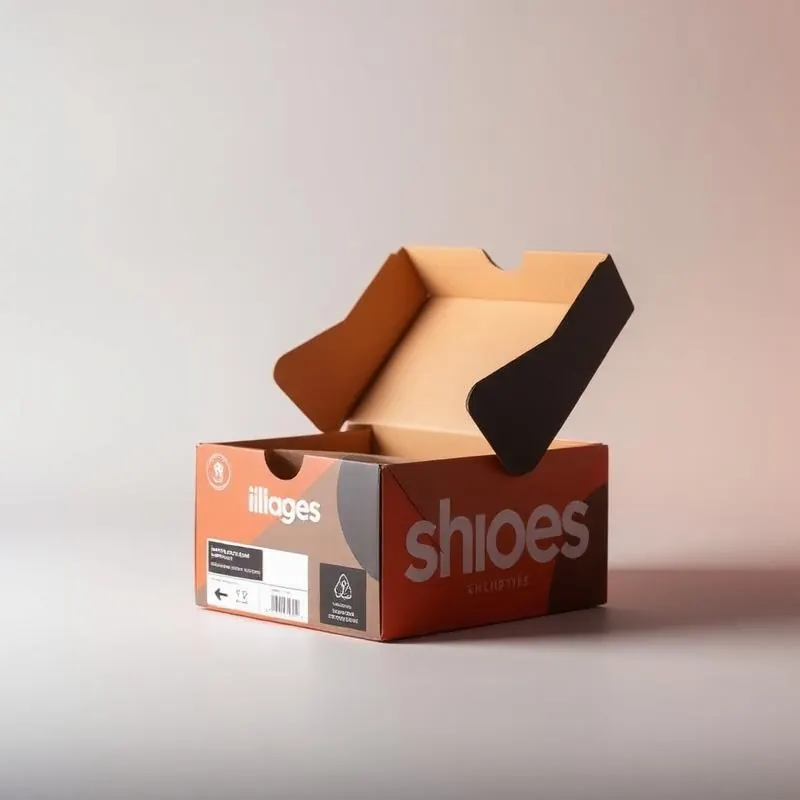
Corrugated Boxes: The shipping and retail workhorse. Single to triple-wall construction. Best for e-commerce shipping, retail display, and industrial packaging. Unit cost: /bin/zsh.50-2.00 depending on construction.
Paper Tubes: The distinctive cylindrical format. Spiral-wound for structural efficiency. Best for cosmetics, spirits, candles, and specialty retail. Unit cost: /bin/zsh.40-1.20.
Material Selection: The Foundation of Quality
Board grade determines structural integrity, print quality, and sustainability credentials. Solid Bleached Sulfate (SBS) provides the best printing surface for premium cosmetics and pharmaceuticals. Coated Recycled Board (CRB) offers cost efficiency for general retail packaging. Kraft provides the natural aesthetic that signals sustainability. Folding Box Board (FBB) is the European standard for multi-ply construction.
Printing Methods: How Your Design Becomes Reality
Offset lithography delivers the highest print quality for production runs above 3000 units. Digital printing eliminates plate costs for short runs of 100-2000 units with variable data capabilities. Flexographic printing suits high-volume, simple designs on corrugated at the lowest per-unit printing cost.
MOQ and Order Economics
Minimum order quantities exist because manufacturers cannot profitably set up and calibrate production for very small runs. For folding cartons, MOQ typically ranges from 500-1000 units. For rigid boxes, 500-3000 units. For corrugated, 100-500 units for stock sizes. The unit cost at MOQ can be 3-4x the unit cost at 10,000+ quantity, so strategic volume planning is essential.
How to Select a Manufacturer
Request and verify certification documentation (ISO 9001 minimum). Order pre-production samples and evaluate print quality, material thickness, color accuracy, and structural integrity. Test communication by sending technical questions and evaluating response quality and speed. Start with smaller orders to validate quality before committing to volume programs.
Cost Optimization Strategies
Order annual packaging volumes in fewer, larger production runs. Standardize box dimensions across product SKUs to share tooling and die-cutting costs. Choose printing methods and finishing appropriate to your price point. Right-size packaging to reduce shipping costs through dimensional weight optimization.
Sustainability and Compliance
The EU Packaging and Packaging Waste Regulation (PPWR) is driving mandatory recycled content and recyclability requirements across European markets. US state-level EPR laws are creating similar pressures. Brands should specify FSC-certified or recycled-content materials proactively rather than reactively to stay ahead of regulatory timelines.
Looking for custom packaging for your brand?