Why Minimalist Packaging Design Is Taking Over the Premium Market
In an era of visual overload, the most powerful statement a brand can make is silence. Minimalist packaging design trends have shifted from a niche aesthetic preference to a defining business strategy for premium brands across cosmetics, luxury goods, food & beverage, and wellness industries.
The numbers tell a compelling story. Research from multiple design institutes indicates that clean, uncluttered packaging increases perceived product value by up to 40% among Gen Z and Millennial consumers—the purchasing powerhouses of the North American, European, and Australian markets. For B2B buyers sourcing from manufacturers, this translates directly into healthier margins and stronger retail partnerships.
But minimalist packaging isn't just about looking elegant. It solves real business challenges: material cost reduction, supply chain simplification, regulatory compliance, and brand differentiation in saturated markets. If your current packaging strategy feels bloated—literally and figuratively—this guide breaks down everything you need to know about embracing minimalist design trends that actually move products.
What Defines Minimalist Packaging Design?
The Core Principles Behind the Aesthetic
Minimalist packaging design centers on four foundational principles:
- Reduction: Every element on the package must justify its existence. If a design detail doesn't communicate value or function, it gets removed.
- Typography as hero: In minimalist packaging, typography often carries the entire visual weight. Premium brands use carefully selected fonts, precise kerning, and intentional hierarchy to convey sophistication without relying on graphics.
- Strategic negative space: Empty space isn't wasted—it's a tool. White space (or colored space that functions as a visual rest) guides the eye, emphasizes brand identity, and creates a sense of luxury.
- Material honesty: Minimalist design often highlights the natural qualities of packaging materials—unbleached paper, exposed textures, subtle coatings—rather than concealing them beneath heavy printing.
Minimalist vs. Simple: An Important Distinction
One common pain point we hear from buyers is confusing "minimalist" with "cheap" or "bare." A well-executed minimalist packaging design requires more precision and expertise than a heavily decorated alternative. Every measurement, color choice, and material selection carries greater weight when there are fewer elements to work with.
This is precisely why sourcing minimalist packaging from experienced manufacturers matters. The difference between premium minimalist and amateur minimal is measured in millimeters and color codes.
Key Minimalist Packaging Design Trends for 2025
1. Monochromatic Color Schemes
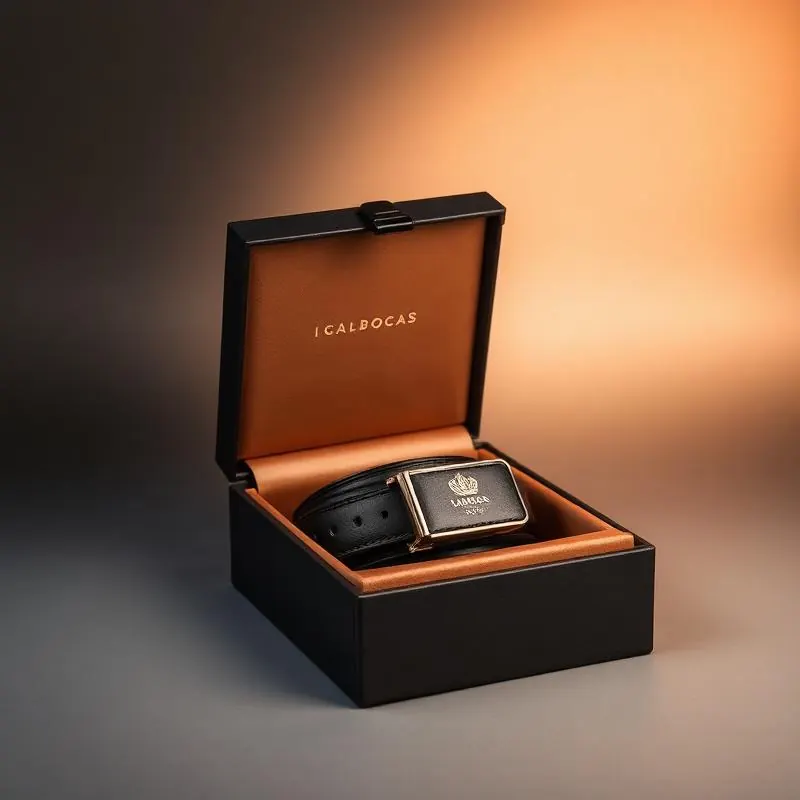
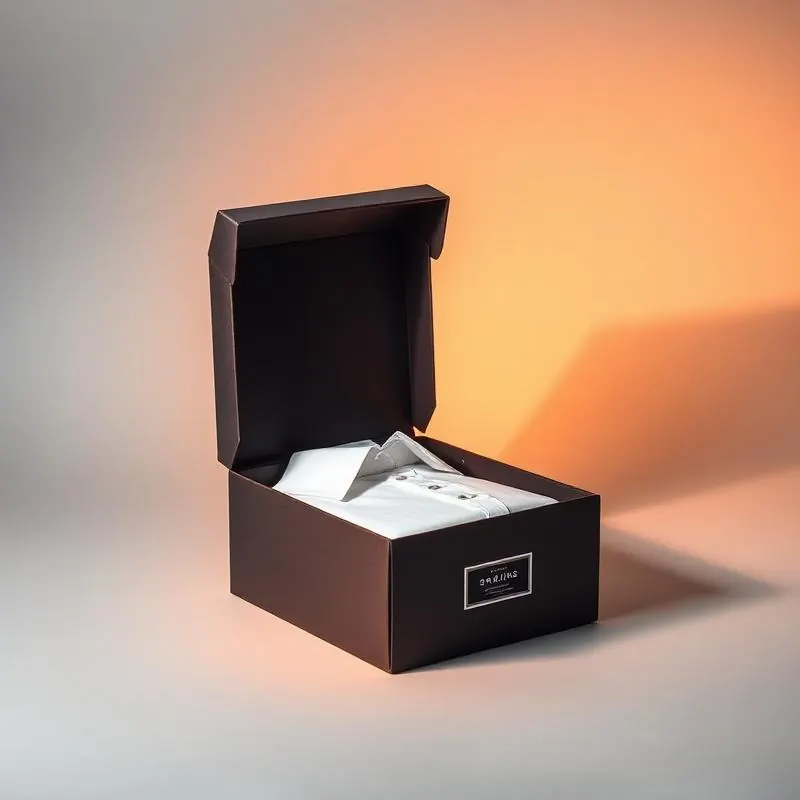
Bold, single-tone palettes are replacing multicolor designs across premium categories. Think matte black boxes with debossed logos, soft-white folding cartons with a single accent color, or kraft-toned bags with minimal letterpress typography. Monochromatic designs reduce ink costs, simplify printing processes, and create instant brand recognition.
Why it matters for your supply chain: Fewer colors mean shorter print runs, less waste during setup, and easier quality control—benefits that compound across large-volume orders.
2. Tactile Finishes Over Visual Complexity
Minimalist packaging design trends are increasingly sensory. Soft-touch lamination, spot UV, debossing, and foil stamping add premium tactile experiences without cluttering the visual surface. A box that feels as refined as it looks creates an unboxing moment that consumers remember.
For luxury packaging buyers, this trend represents a significant opportunity: tactile finishes deliver the "premium feel" consumers expect while maintaining the clean aesthetics that photograph beautifully on social media.
3. Sustainable Materials as Design Elements
The intersection of eco-friendly packaging and minimalist design is where some of the most innovative trends are emerging. Recycled cardstocks, bamboo fiber containers, and seed paper inserts are no longer positioned as "sustainable alternatives"—they ARE the design statement.
This trend resonates strongly in European and Australian markets, where consumers actively seek brands with transparent environmental practices. Minimalist packaging naturally aligns with sustainability goals by using less material overall, reducing transportation weight, and eliminating unnecessary laminations that complicate recycling.
4. Architectural Structures with Clean Lines
Geometric precision defines the structural side of minimalist packaging. Straight edges, sharp corners, and symmetrical forms communicate control and quality. For cannabis packaging—a category with strict regulatory requirements—clean structural design serves dual purposes: meeting compliance standards while maintaining brand sophistication.
5. Typography-Driven Brand Identity
In 2025, minimalist packaging design trends see type doing the heavy lifting. Custom lettering, carefully sized brand names, and ingredient-focused copy replace illustrated graphics and decorative patterns. This approach works particularly well for beauty packaging, wellness products, and artisanal food items where ingredient transparency builds consumer trust.
Common Pain Points Minimalist Packaging Solves
Pain Point: Excessive Production Costs
Heavily decorated packaging involves multiple printing stages, specialty inks, complex die cuts, and prolonged setup times. Each additional element multiplies your per-unit cost. Minimalist packaging reduces production complexity—fewer passes through printing equipment, simpler die-cut requirements, and faster assembly lines.
Solution: Partner with a manufacturer experienced in high-volume minimalist production. At MUGE PACKAGING, our clients typically see 15-30% reductions in unit costs when transitioning from multi-color decorated designs to precision minimalist formats.
Pain Point: Regulatory Compliance Complexity
For industries like cannabis packaging, food-grade packaging, and cosmetics, regulations often mandate specific labeling requirements. Busy, cluttered designs make compliance harder to manage and audit. Clean minimalist layouts create natural space for required information without sacrificing brand aesthetics.
Pain Point: Shelf Presence Concerns
The fear that "simple packaging won't stand out" keeps many brands stuck in over-designed packaging. The opposite is often true. In retail environments where every product competes for attention, a clean, confident design cuts through visual noise more effectively than a busy competitor.
Pain Point: Inconsistency Across Product Lines
Minimalist design principles create natural cohesion across product families. A consistent color palette, typography system, and structural format unify diverse product lines without requiring completely custom designs for each SKU—streamlining both production and brand management.
How to Implement Minimalist Packaging Design Trends in Your Business
Step 1: Audit Your Current Packaging
Start with a critical review of existing packaging. List every element on your current design: logo variations, color counts, graphic layers, text sizes, structural features. For each element, ask: "Does this serve a functional or brand-building purpose?" If the answer is uncertain, consider removal.
Step 2: Define Your Brand's Minimalist Expression
Minimalism isn't one-size-fits-all. A luxury watch brand and an organic skincare line both benefit from minimalist approaches, but their expressions differ radically. Define what minimalist packaging means for your specific market positioning, price tier, and target consumer.
Step 3: Material Selection with Purpose
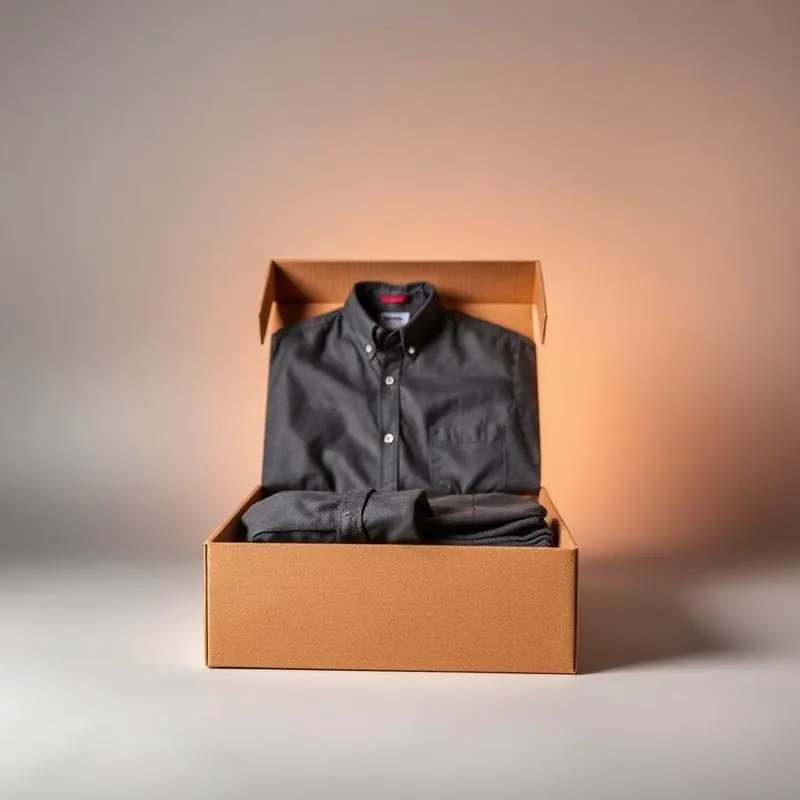
The materials you choose communicate brand values louder in minimalist packaging than anywhere else. Premium tactile materials—thick cardstocks, specialty papers, rigid boxes—elevate simple designs. For brands prioritizing sustainability, unbleached kraft, water-based coatings, and mono-material constructions align minimalist aesthetics with environmental commitments.
Step 4: Work with an Experienced Manufacturer
Execution separates good minimalist packaging from great minimalist packaging. Tight tolerances, consistent color matching, precise die-cutting, and quality control at every stage require a manufacturer with proven experience in premium packaging production.
The Business Case for Minimalist Packaging Design
Beyond aesthetics, minimalist packaging design trends deliver measurable results:
- Reduced material costs: Up to 20-30% less raw material compared to heavily decorated alternatives
- Faster production cycles: Simplified printing and finishing processes reduce lead times
- Improved sustainability metrics: Less material, simpler recycling streams, lighter shipping weight
- Enhanced brand perception: Clean packaging signals confidence, quality, and intentionality
- Better photography and social media presence: Minimalist designs photograph better across digital channels—a critical factor for e-commerce brands targeting North American and European consumers
For brands ready to make the shift, the investment in redesign pays for itself through cost savings, retail acceptance, and consumer loyalty.
Ready to Elevate Your Packaging?
The shift toward minimalist packaging design trends isn't a passing aesthetic phase—it's a fundamental recalibration of how premium brands communicate value. In markets where consumers are increasingly sophisticated, sustainability-conscious, and visual-savvy, the brands that win are those that say more by saying less.
At MUGE PACKAGING, we specialize in producing high-volume, export-ready minimalist packaging for brands across North America, Europe, and Australia. With 20 years of experience and rigorous quality control systems, we help you achieve precision minimalist design at scale—without compromising on the tactile quality that makes your products memorable.
Explore our capabilities and discover how clean design can transform your brand's packaging strategy.
Looking for custom packaging for your brand?