
Print route and sample checkpoints
Approve the print method on the complete converted paper bag
The table separates method questions from universal marketing claims. No row promises a fixed MOQ, delivery time, colour count, load, environmental result or cost winner.
Flexographic
- Buyer question
- Is the actual paper, ink, artwork and bag-making route characterized for the proposed production condition?
- Control file
- Printing form, colour aim, paper, ink, screens/type, drying, registration, bag conversion and retained reference.
Offset lithographic
- Buyer question
- How will the approved press sheet survive cutting, folds, gussets, glue, reinforcement and handle attachment?
- Control file
- Press condition, paper, colour reference, coating, sheet-to-bag layout, finish, conversion and finished-bag approval.
Digital
- Buyer question
- Which named device/ink route is qualified for the paper, finish, version count and bag conversion?
- Control file
- Device family, ink/toner, primer/white, paper path, colour route, variable data, finish, conversion and reconciliation.
Screen printing
- Buyer question
- Can the selected paper or converted bag support the ink deposit, curing and registration without distortion or rub?
- Control file
- Screen/ink, colour count, placement, support, curing, abrasion, fold/handle clearance and finished sample.
Foil, emboss or label
- Buyer question
- Is a limited-area branding route better than full print for this artwork, revision cycle and bag construction?
- Control file
- Die or label, adhesive/foil, registration, pressure/heat, folds, claim implications, handling and final appearance.
Eight checks for the converted bag sample
- 01Finished width, height and gusset plus flat layout, seam and glue zones
- 02Paper identity, nominal grammage, coated/printable side, fibre direction and visible colour
- 03Artwork/dieline revision, print panels, bleed, folds, barcode and legal-copy locations
- 04Handle type, hole/eyelet, patch or turn-over reinforcement and artwork clearance
- 05Physical colour target, viewing/measurement agreement, ink or toner and visible finish
- 06Converted bag squareness, gusset opening, bottom formation, top treatment and nesting
- 07Loaded-product/surrogate identity, weight, orientation, lift/carry method and acceptance owner
- 08Rub/scuff, cracking, transfer, glue contamination, packing contact and retained reference
Five sample problems to investigate
These are possible review situations, not actual customer failure reports or measured results. Confirm the cause before choosing a correction.
Artwork disappears into a gusset, seam or handle patch
Investigate: Flat dieline, print panel mapping, folds, glue, top turn-over, handle/patch position and conversion tolerance.
Correction to verify: Revise the artwork/dieline and approve a converted bag rather than another isolated flat proof.
Colour looks dull or inconsistent on kraft
Investigate: Paper identity/variation, ink opacity, white-underprint need, print condition, coating, viewing light and physical target.
Correction to verify: Print the current artwork on the proposed paper and retain the approved target plus allowed deviation route.
Print rubs, transfers or cracks during packing
Investigate: Ink/toner, drying/curing, coating, fold stress, nesting, contact pressure, packing count and route.
Correction to verify: Rebuild the complete print/finish/conversion/packing path and verify the relevant project condition.
Handle or bottom fails while the print remains acceptable
Investigate: Packed product/weight, bag dimensions, paper, bottom/seam, handle attachment, reinforcement and carry method.
Correction to verify: Correct the bag construction and repeat a documented loaded handling review; print quality cannot approve structure.
An environmental statement cannot be substantiated
Investigate: Exact wording, paper, recycled content, ink, coating, adhesive, handle, reinforcement and destination-market collection conditions.
Correction to verify: Remove or qualify the claim until competent evidence supports the actual finished bag and market scope.
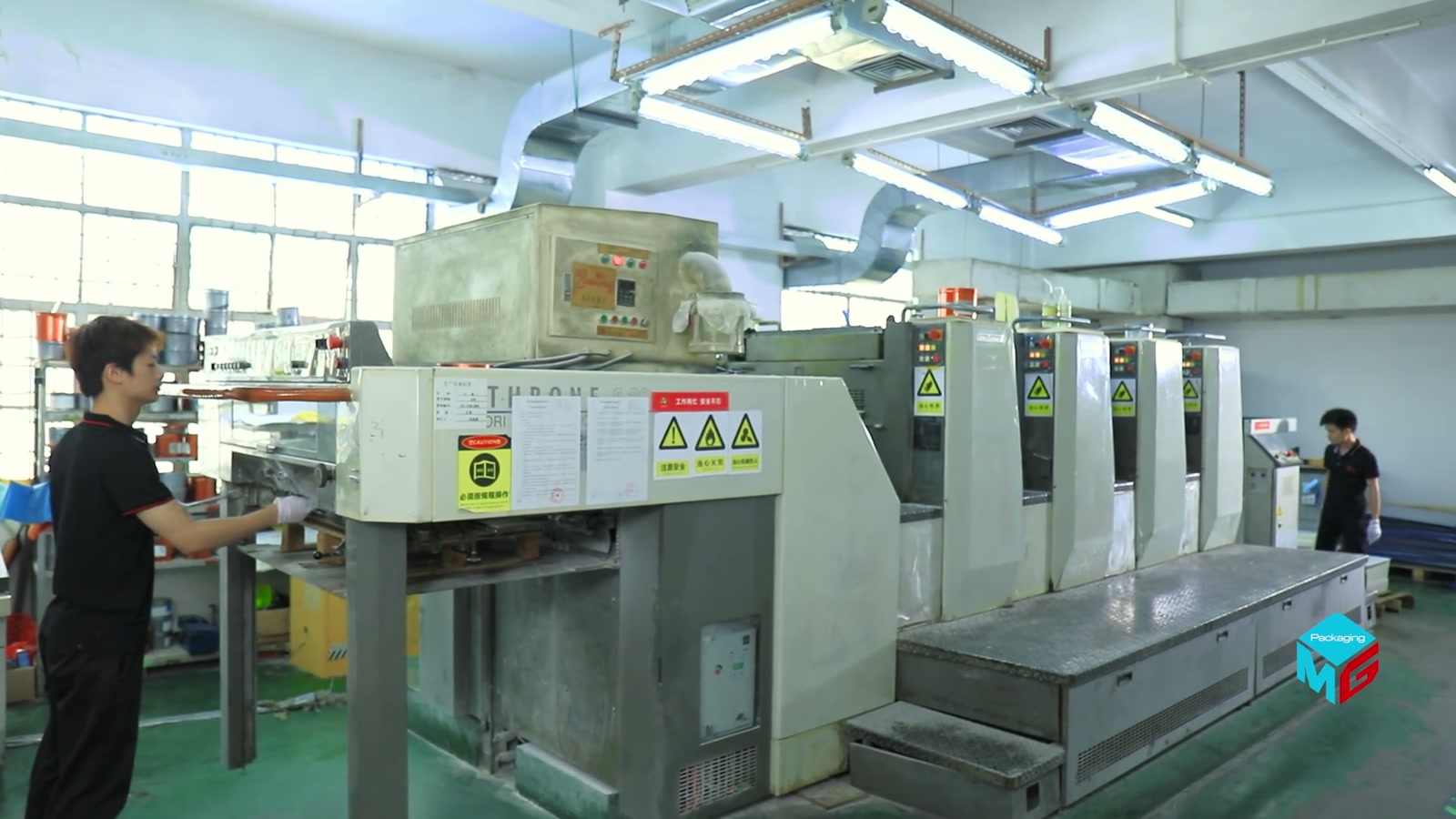
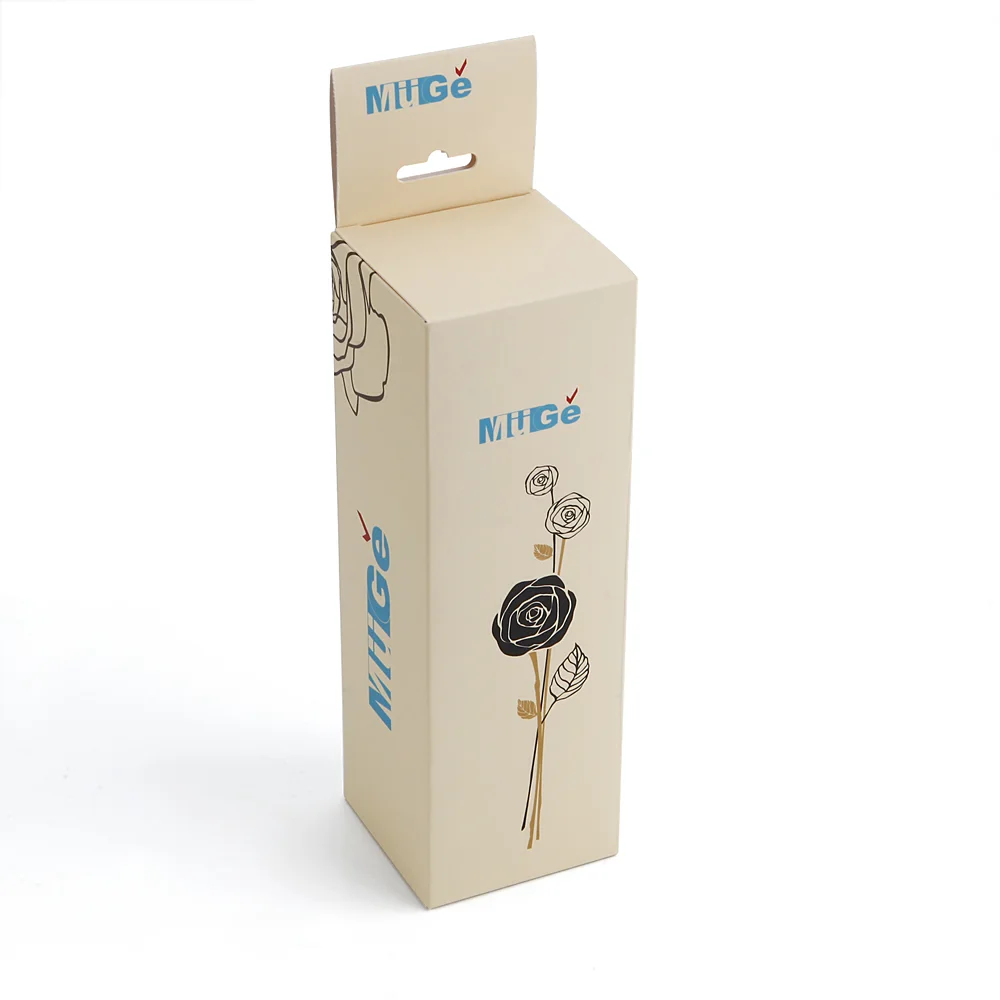
The printing-floor and folded-carton references show existing MUGE process context. The bag illustration is explicitly labelled a website design direction and cannot be used as customer, production, material, load or print-method evidence. External editorial reuse of any image still requires written confirmation.
The printing method for a paper bag should be selected together with the bag construction, paper, visible panels, handle, reinforcement, packed load, artwork and approval plan. Flexographic, offset, digital and screen printing can each be appropriate when the proposed production route is identified and tested on the actual paper and converted bag. Foil, embossing and labels are finishing or branding routes rather than interchangeable full-colour printing processes.
There is no universal quantity at which one process becomes the best or cheapest. A useful comparison keeps the bag specification constant and records what changes between proposals: printing forms or data preparation, paper and surface treatment, artwork versions, colour controls, ink or toner, drying/curing, finishing, bag making, waste, inspection, packing and delivery.
Direct answer: start with the bag, not the press name
Define the finished width, height and gusset; top and bottom construction; paper reference; handle type and attachment; reinforcement; packed product dimensions and weight; quantity per artwork; print panels and coverage; colour/finish direction; target market; packing; and sample purpose. Then ask each supplier to name the proposed printing and bag-making sequence.
A printed flat web or sheet is not the finished bag. Artwork can cross a front panel, side gusset, fold, seam, top turn-over, handle patch or bottom area. A process that prints the flat material well can still produce a poor bag when registration shifts through folding, glue covers artwork, ink cracks at a fold, a handle patch hides copy or the printed surface scuffs during nesting and transport.
Compare the main print routes without false volume thresholds
Flexographic printing
Flexography can suit paper-bag webs or sheets when the converter has a characterized route for the selected paper, artwork, ink system and bag-making sequence. It can handle repeated designs and may be efficient at scale, but a buyer should not assume a fixed colour count, minimum quantity or universal advantage. Fine type, reverses, screens, trapping, ink lay, paper variation and plate or sleeve condition still need approval.
ISO 12647-6:2020 provides process-control context for four-colour flexographic printing of packaging and assigns responsibilities around colour aims and critical parameters. It does not approve a specific MUGE bag, spot colour, water-based ink, paper, handle or production lot.
Offset lithography
Offset can be proposed for sheet-fed printed paper that is later converted into a bag, especially when the selected paper, artwork and finish fit the press and bag-making route. The supplier must show how the printed sheet is cut, folded, glued, reinforced and fitted with handles. An excellent press sheet is not approval for the converted bag.
ISO 12647-2:2013 covers offset process-control parameters and applies to cardboard packaging, but the current edition is under revision. The supplier should identify the actual production condition and agreement instead of citing the standard as a blanket guarantee.
Digital printing
Digital printing can support versioning, shorter planning cycles or variable content when the named device, ink or toner, primer/white-ink need, paper path, colour route, finish and conversion are qualified. “Digital” is not one process. A sample from one device cannot automatically authorize another, and zero plates does not mean zero setup, zero minimum or instant delivery.
If variable names, codes or designs are required, control the source data, record count, field rules, missing values, duplicates, barcode or serial checks, rejected records, reprints and final reconciliation. A visually correct sample does not prove that every data record was printed once and matched to the right bag.
Screen printing
Screen printing can create opaque or distinctive spot-colour areas on selected finished or partly converted bags, but the actual paper, coating, bag support, screen, ink, curing and registration must be qualified. Each colour and placement adds control. A thick ink deposit does not automatically prove abrasion resistance, fold performance, food-contact suitability or recyclability.
Foil, embossing, labels and unprinted directions
Foil stamping and embossing can add metallic or tactile branding, while labels can identify small or late-changing runs. These routes change dies, adhesives, registration, recycling/claim questions and handling. Unprinted kraft is an appearance direction, not evidence of lower environmental impact. Compare the complete package and claim record instead of calling any one route “maximum sustainability.”
Freeze the paper and visible surfaces before approving colour
Record whether the proposed paper is natural kraft, white kraft, coated, uncoated, recycled-content, wet-strength, grease-resistant or another identified construction. Commercial names are not specifications. Record grammage, thickness where relevant, coated/printable side, fibre direction, colour/brightness reference, recycled-content evidence if claimed and any barrier or coating.
Natural kraft can change colour appearance and contrast. White paper can provide a lighter print base, but coating and optical properties still influence the result. If a white underprint, primer, overprint varnish, lamination or other treatment is proposed, include it in the sample and quotation. Do not approve colour from a screen image or a different paper.
Approve the full converted bag
Use one approval sequence:
- Artwork and dieline: current file revision, print panels, folds, gussets, seams, bleed, barcode, legal copy, handle and glue clearances.
- Colour and surface: physical target, paper reference, viewing condition, measurement method where used, ink/toner, finish and allowed deviations.
- Converted sample: finished dimensions, squareness, gusset opening, bottom formation, top treatment, handle/reinforcement, print registration and product fit.
- Loaded handling review: agreed packed product or controlled surrogate, lift/carry action, handle attachment, bottom/seam, rub/scuff, nesting and outer packing.
- Production reference: retained approved bag or sheet/bag pair, revision, deviations, inspection points, lot identity and release owner.
A bag load review must state the contents, weight, orientation, handle use, duration and method. One manual carry does not prove a universal load rating or distribution result.
Control colour, rub and claim evidence
ISO 3664:2025 provides viewing-condition context for critical comparison of prints and references. ISO 13655:2017 covers spectral measurement and colourimetric computation across offset, flexographic, digital and other graphic-arts processes. These standards do not choose a project tolerance or prove a sample passed.
Printed bags can rub against each other during stacking, nesting, packing and delivery. Identify the visible risk areas, ink/toner and coating, drying/curing, contact pressure, packing count and route. Select a relevant project method and retain the result rather than promising “durable” print from the process name alone.
Environmental statements also require evidence. Paper colour, water-based ink, soy-based ink, fewer plates or an unprinted surface does not by itself prove that the finished bag is recyclable, compostable, lower impact or “eco-friendly.” The FTC Green Guides advise against broad unqualified environmental benefit claims and require claims to be clear, specific and substantiated. Review the paper, ink, coatings, adhesives, handles, reinforcement, package construction and destination-market collection conditions together.
Send one comparable paper-bag RFQ
Provide the finished bag dimensions, gusset, packed product and weight, paper direction, handle/reinforcement, quantity per artwork, artwork revision, print panels, colour/finish reference, version or variable-data plan, sample stage, loaded handling question, packing, destination and claim evidence required. Ask each supplier to identify confirmed inputs, proposed alternatives, exclusions and evidence still missing.
Continue through paper packaging, kraft paper, white card, the offset-versus-digital packaging guide, the controlled RFQ template and MUGE process context. When ready, send one paper-bag print and construction brief.
Primary and authoritative references
Sources used for factual context
- ISO 12647-6:2020 — Flexographic process control — ISO. Four-colour process aims and responsibilities; not a MUGE project test or a bag load rating.
- ISO 12647-2:2013 — Offset process control — ISO. Published edition marked for revision when checked; agree the applicable project condition rather than assuming certification.
- ISO 3664:2025 — Viewing conditions — ISO. Conditions for visual comparison; not proof of a project colour tolerance.
- ISO 13655:2017 — Graphic-arts colour measurement — ISO. Measurement context; actual instrument, method and result remain project records.
- Environmental Claims: Summary of the Green Guides — Federal Trade Commission. Specific, substantiated environmental claims; not a product certification or a determination for every market.
Recommended next paths
Review the related product route before requesting a quote
Related products + quote path
Match this article to a real packaging brief
Review the related product category first, then send size, quantity, artwork status, finish direction and target market notes for a project-specific quote review.
Frequently Asked Questions
Which printing method is best for a paper bag?+
Compare methods against the same finished bag, paper, artwork, quantity per version, finish and approval plan. Ask the supplier to identify the printing and converting route; no method is best for every bag.
Is a printed sheet enough to approve the finished bag?+
No. Review the converted bag for gusset and seam alignment, handle reinforcement, bottom formation, print near folds, packed product fit and an agreed loaded handling check.
Does digital printing mean no minimum order or immediate delivery?+
No. Device preparation, paper availability, finishing, bag making, versions and sampling still affect the quoted quantity and schedule. Confirm the complete project rather than relying on the press name.
What should I send for a comparable paper-bag quote?+
Send finished width, height and gusset, packed product and weight, paper direction, handle and reinforcement, quantity per artwork, print panels, colour and finish references, sample goal, packing and destination.
Do kraft paper or water-based inks prove an environmental benefit?+
Not by themselves. The exact claim needs evidence for the finished construction, including paper, ink, coating, adhesive, handles and the relevant market. Do not infer a result from appearance or ink type.