Why Minimum Order Quantity Becomes a Barrier for Growing Brands
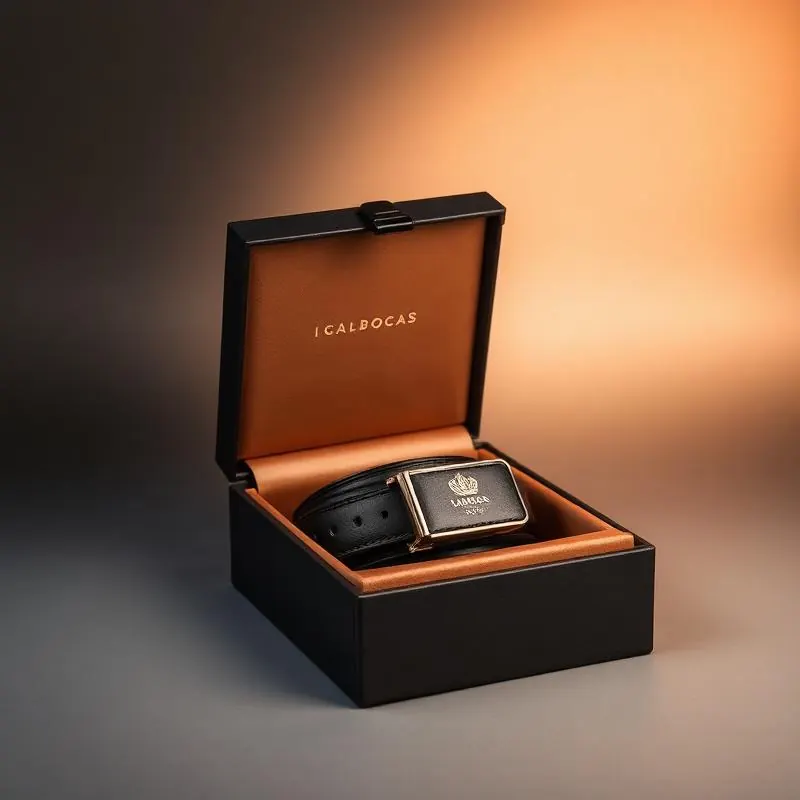
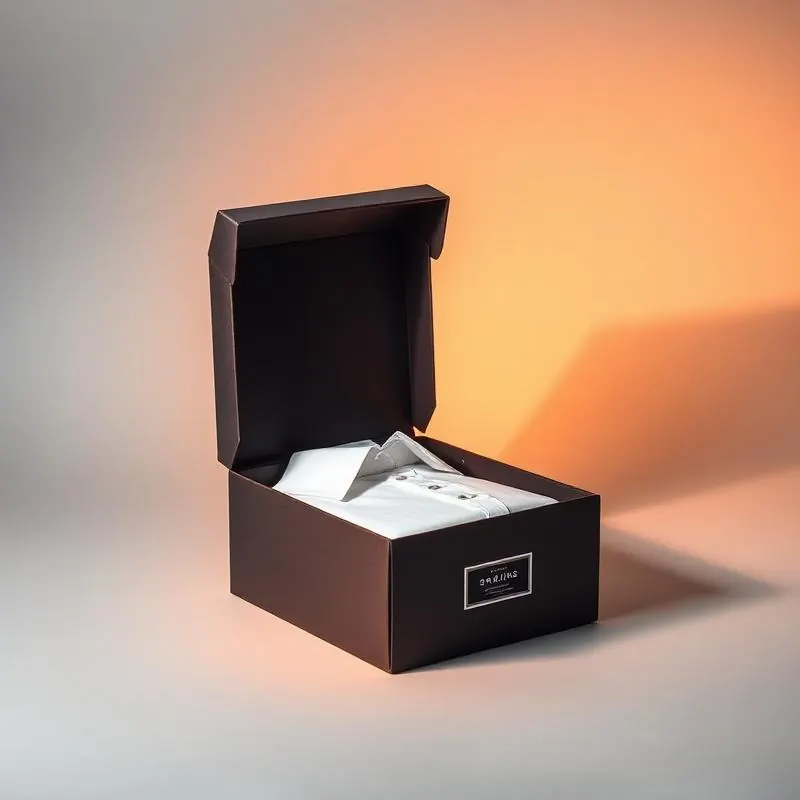
When a boutique cosmetics brand in California needed elegant matte black gift boxes for their holiday launch, they received quotes from five different packaging suppliers. Every single one required a minimum order quantity (MOQ) of 2,000 to 5,000 units per SKU. The brand needed only 400 units to test the market — and they couldn't justify a $12,000+ inventory commitment for an unproven product line.
This scenario plays out daily across North America, Europe, and Australia. Gift box packaging minimum order quantity requirements have become one of the most significant procurement pain points for emerging brands and scaling companies alike. The result? Businesses either settle for generic, bulk-ordered packaging that fails to differentiate their brand, or delay product launches entirely.
The core tension is real: premium packaging suppliers invest heavily in tooling, materials, and production setup. They need volume commitments to justify these upfront costs. But the modern brand ecosystem has shifted — DTC (direct-to-consumer) brands, indie beauty lines, artisan food producers, and e-commerce startups now dominate the market, and their packaging needs don't fit traditional MOQ models.
Understanding How MOQ Works in Premium Gift Box Packaging
Before exploring solutions, it's worth understanding why MOQ exists in the first place. In custom gift box packaging production, several cost drivers create natural volume thresholds:
Tooling and Setup Costs
Custom gift box packaging typically requires dye-cutting molds, printing plates, or embossing tools. These setup costs can range from $300 to $2,000+ per design, regardless of whether you order 100 units or 10,000 units. Suppliers pass these costs on, which is why low-quantity orders carry a higher per-unit price.
Material Efficiency
Paperboard, specialty papers, and laminates are often purchased in standard sheet sizes. Production runs that don't efficiently use full sheets generate material waste, increasing per-unit costs. This is why many suppliers establish MOQs as thresholds where material utilization becomes economically viable.
Production Scheduling
Machinery setup for different box dimensions, finishes, and printing specifications takes time. Short runs interrupt production schedules designed for large-volume efficiency. Many factories offset this by pricing smaller orders at a premium.
Shipping and Logistics
International freight costs for packaging materials are calculated per shipment, not per unit. A 20-foot container shipped from Shenzhen to Los Angeles carries a base cost that becomes economical only when the volume justifies the trip.
The Hidden Costs of High MOQ Requirements
While the sticker price for bulk gift box packaging may seem attractive, small businesses often overlook the indirect costs that high MOQ imposes on their operations.
Capital Tied Up in Inventory
Ordering 5,000 gift boxes at $2.50 per unit means committing $12,500 before you've sold a single product. For a startup operating on lean budgets, this capital allocation can restrict product development, marketing spend, and operational flexibility.
Storage and Obsolescence Risk
Premium gift box packaging is shelf-stable, but seasonal or trend-driven brands face real obsolescence risk. A brand that pivots its visual identity or discontinues a product line is left with thousands of custom-printed boxes that can't be repurposed. The environmental and financial waste is significant.
Design Rigidity
High MOQ orders demand design decisions upfront before market validation. Brands feel pressured to commit to packaging designs, colors, and finishes without knowing what resonates with their audience. This limits the ability to iterate and improve based on real customer feedback.
Cash Flow Strain for Seasonal Businesses
Artisan food brands, holiday-focused product lines, and event-driven businesses often have irregular ordering cycles. A 5,000-unit MOQ forces these businesses to pre-purchase inventory months in advance, straining cash flow during off-seasons.
How Flexible MOQ Policies Empower Small Business Procurement
Leading packaging suppliers have recognized that the traditional high-MOQ model excludes a massive segment of viable customers. At MUGE PACKAGING, we've restructured our production capabilities to support gift box packaging minimum order quantities starting at 200 units for select designs — enabling small brands to access premium packaging without overstock commitment.
Tiered MOQ Structure
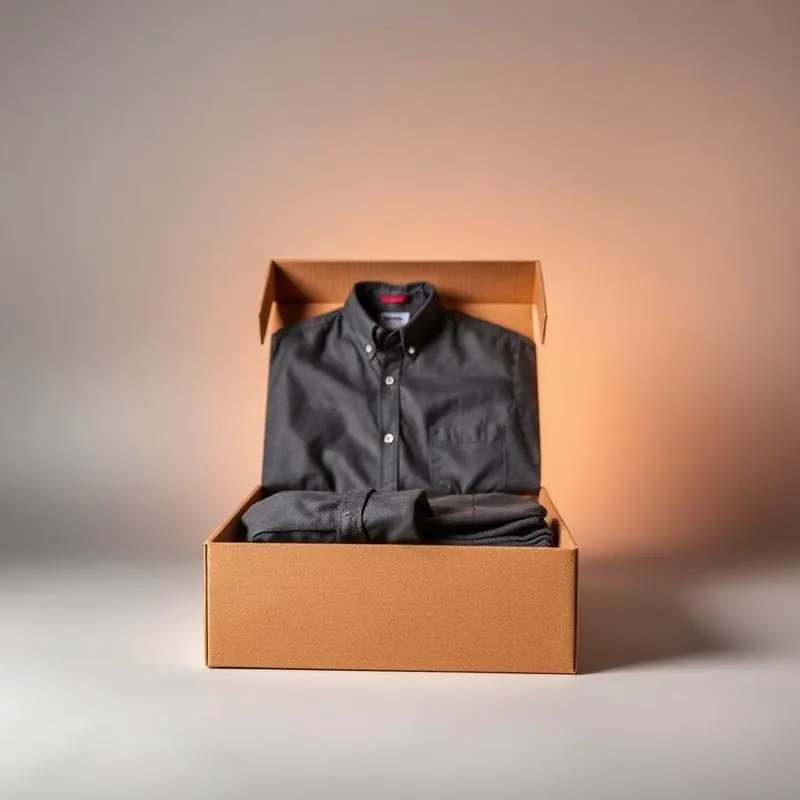
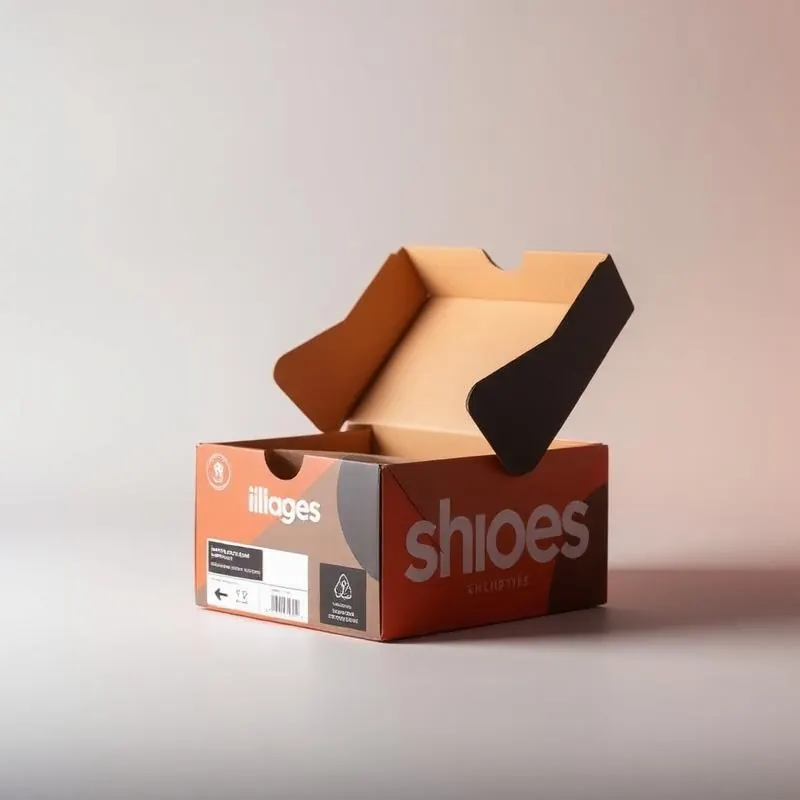
Rather than a flat minimum across all products, we offer tiered ordering where more customization demands higher initial volumes. Standard stock gift boxes with hot-stamping customization may start as low as 200 units, while full custom dimensions with multi-color offset printing might require 500–1,000 units. This granularity lets brands choose the customization level that matches their current scale and budget.
Sample Orders for Market Testing
Before committing to full production, brands can order sample runs of 50–100 units. These samples serve dual purposes: quality verification and market testing. A brand can validate product-market fit with 200 units, gather customer feedback, and then scale to a full production run with refined specifications.
Modular Packaging Systems
We've developed modular base designs that accommodate multiple branding treatments within a single structural framework. A brand can order 500 units with one logo/color treatment, then reorder the same base box with a different finish for a new product line — all within a lower per-order MOQ because the core structure is already in production.
Flexible Reorder Windows
For brands concerned about storage, we offer staggered delivery scheduling. An order of 1,000 units can be produced in a single production run (reducing per-unit cost) but delivered in quarterly shipments. This gives brands the economics of bulk pricing without the storage burden.
What to Look for in a Packaging Supplier with Low MOQ
Not all low-MOQ suppliers are created equal. When evaluating packaging partners, consider these factors to ensure quality doesn't suffer when minimum quantities drop.
Production Capability Transparency
Ask potential suppliers directly about their gift box packaging minimum order quantity for different customization levels. Reputable suppliers should provide clear, tiered pricing tables that show exactly how cost per unit changes with quantity. Vague answers or excessive surcharges for small orders signal hidden costs.
Quality Assurance Processes
Low-quantity orders still deserve full quality control. Confirm that the supplier inspects every batch for print registration, structural integrity, and finish consistency. Request samples from previous small-run orders to assess quality consistency.
Material Sourcing Standards
Premium gift box packaging should meet relevant safety standards for your product category. For food-contact packaging, verify FDA or EFSA compliance. For cosmetic packaging, check for heavy metal and migration testing. For cannabis products, confirm child-resistant and regulatory compliance. These certifications should be standard regardless of order quantity.
Communication and Sample Support
Small orders often require more hand-holding than large-volume accounts. Evaluate whether the supplier has dedicated account support, clear production timelines, and a willingness to share samples before final production. A supplier who treats small orders as second-tier customers isn't a long-term partner.
Lead Time Expectations
Low-MOQ custom orders typically require 15–25 business days for production, slightly longer than bulk orders due to production scheduling. Factor this into your product launch timeline. However, stock items with standard finishes may ship within 7–10 days.
Frequently Asked Questions About Gift Box Packaging MOQ
What is a typical minimum order quantity for custom gift box packaging?
Traditional custom gift box packaging suppliers typically require 1,000 to 5,000 units per SKU. However, suppliers offering flexible production setups can accommodate orders as low as 200–500 units for simpler customizations, with pricing adjusted accordingly.
Does lower MOQ mean higher per-unit cost?
Yes, generally. Shorter production runs carry higher setup costs per unit. However, the total expenditure for a 300-unit order is significantly lower than a 3,000-unit order, and you avoid the capital risk of overstock. For many small brands, the lower total cost and reduced risk outweigh the slightly higher per-unit price.
Can I get samples before placing a full order?
Most packaging suppliers, including MUGE PACKAGING, offer sample orders ranging from 5 to 50 units. Sample costs typically include tooling and setup fees prorated across the quantity, but they allow you to verify print quality, material feel, and structural performance before committing to full production.
Are there ways to reduce per-unit costs without increasing order quantity?
Several strategies help reduce per-unit costs on smaller orders: choose stock box sizes instead of fully custom dimensions, use standard finishes (hot stamping, embossing) rather than multi-color offset printing, group multiple designs into a single production run, and plan orders ahead to align with factory scheduling windows.
What file formats and artwork specifications do I need for custom gift box packaging?
Most suppliers require artwork in vector format (AI, EPS, PDF) with 3–5mm bleed on all sides. CMYK color mode is standard for print production. For specialty finishes like foil stamping or embossing, you'll need separate artwork files for each finish layer. Suppliers should provide detailed artwork guidelines upon request.
Building a Sustainable Packaging Procurement Strategy
Sourcing gift box packaging is not a one-time transaction — it's an ongoing partnership that evolves as your brand grows. The most successful brands approach packaging procurement strategically:
Start small, validate, then scale. Use low-MOQ options for initial market entry. Once a product line proves its demand, negotiate larger volume commitments with your supplier to drive down per-unit costs. Most suppliers, including MUGE PACKAGING, offer progressive pricing tiers that reward consistent, growing volume.
Invest in reusable tooling. If you plan to reorder a design regularly, discuss tooling ownership or long-term tooling arrangements with your supplier. Upfront tooling fees can pay for themselves within 2–3 reorders if the design becomes a staple in your product line.
Standardize where possible. Limiting your packaging to 2–3 standard box dimensions reduces SKU complexity and allows you to aggregate volume across product lines, lowering effective MOQ pressure.
Build supplier relationships. Suppliers who understand your growth trajectory are more willing to accommodate flexible terms as you scale. Communicate your roadmap, seasonal patterns, and expansion plans. Long-term partnerships unlock better pricing, priority scheduling, and customized solutions.
Conclusion
The gift box packaging minimum order quantity challenge doesn't have to be a barrier to premium packaging for small and medium businesses. Understanding how MOQ structures work, recognizing the true cost of high-volume commitments, and finding suppliers with flexible ordering policies gives growing brands the ability to present their products in packaging that matches their brand ambition — without overextending budgets or taking on unnecessary inventory risk.
MUGE PACKAGING's 20 years of export experience serving brands across North America, Europe, and Australia have taught us one thing: the brands that win are those that test quickly, iterate boldly, and scale confidently. Flexible gift box packaging minimum order quantity options are a critical enabler of that strategy. Whether you're launching your first product line or expanding into new markets, the right packaging partner makes premium presentation accessible at every stage of growth.
Looking for custom packaging for your brand?